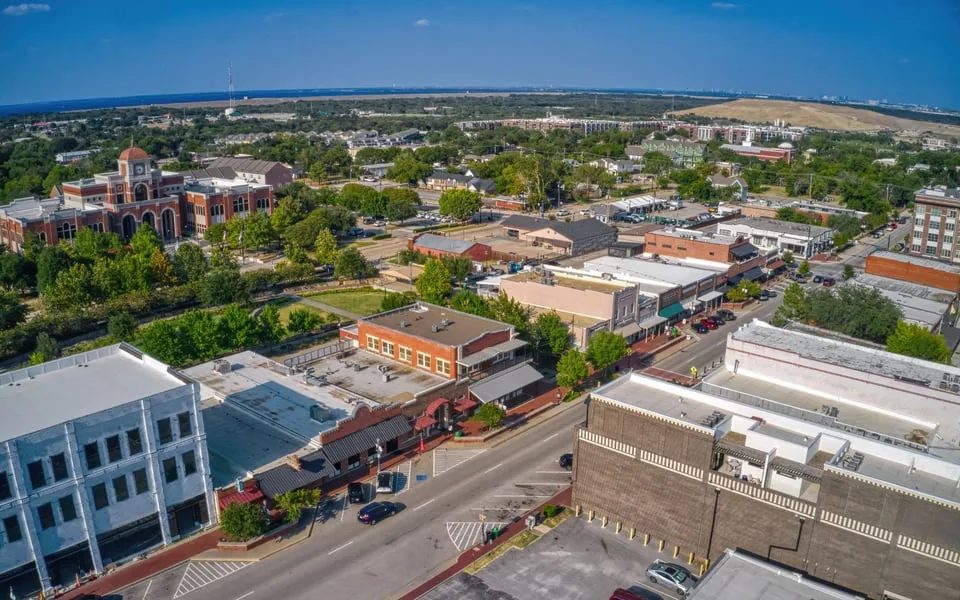
Flex Industrial Building Roofing in Lewisville, TX
Home // Property Types We Roof //
Overview
Flex Industrial Building Roofing in Lewisville
A flex building’s service ticket may point to an office ceiling while the roof above it spans a warehouse bay and several tenant suites. We start by mapping the roof into zones that match the building and its drainage, then tie each photograph, moisture reading, and repair note to the same label. For flex and light-industrial properties in Lewisville, TX, this record helps the manager separate one tenant’s report from a condition that affects a larger section.
Lewisville plans for industrial park, commercial and mixed-use districts, and flex buildings suit that blend of office finish and warehouse space. Near I-35E and SH 121 the mix creates varied access and scheduling needs. We inspect the actual membrane or metal system, confirm its layers where needed, and compare repair, recover, and replacement by roof zone.
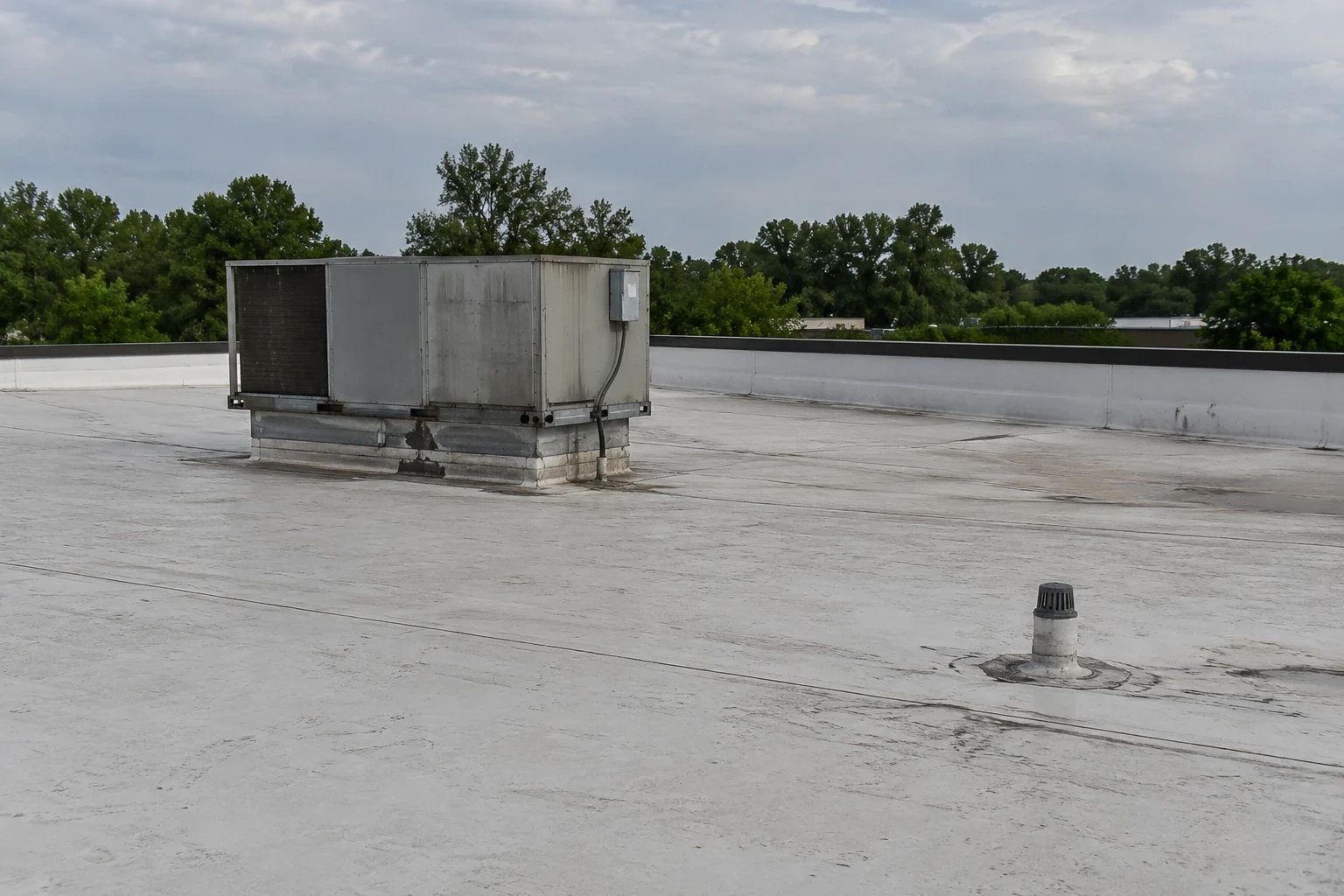
Roof-zone map: separate tenant reports
We label the roof sections before inspecting seams, penetrations, drains, curbs, edge metal, and prior repairs. A wide photo establishes the area; close views show the detail. The report notes which tenant space or building area sits below a finding when the manager can identify it, then traces the likely water route rather than assuming a stain is directly under the entry point.
Flex properties often mix office finish, light assembly, storage, and shipping functions. The interior protection required above each space can change the order of work, and shared roof zones may cross suite boundaries. We list the access contact, hatch or ladder, and any equipment lockout before testing. A commercial roof inspection creates a dated condition record that can be matched to service logs and lease coordination without combining separate tenant conditions into one unsupported repair scope.
Assembly record: verify layers before pricing
The inspection notes sheet type where visible, attachment clues, seam layout, flashing transitions, insulation condition, and deck information where testing is approved. A building with additions may have more than one assembly. We use moisture readings to focus attention and recommend a test cut when the result could change the option. The core location is approved with the manager, and its findings stay tied to the specific roof zone.
A recover depends on more than a surface that looks intact. Layer count, attachment, drainage, and dry insulation matter; wet material left in place remains part of the problem. If a section has repeated membrane failures and wet board, replacement may give a clearer boundary. TPO roofing and metal roof retrofit have different seam and attachment details. We specify what the existing assembly supports before choosing a proposed system.
Weather exposure: inspect the details that move
Most years bring hail or damaging wind somewhere in the Metroplex, which makes a storm report a reason to review the roof afterward. We compare fresh observations with dated photographs and service records, then mark any displaced metal, puncture, seam opening, or flashing movement by zone.
Airport highs run near 96 degrees in July and August, with 20.2 days a year at 100 or more. Heat cycling can stress seams and exposed sealants. We record open laps, brittle caulk, coating wear, and perimeter movement, then decide whether the issue is a repair, a test, or a monitoring item. A hail damage assessment and a heat and UV repair remain tied to visible findings rather than the weather summary.
Tenant schedule: protect each work area
Before mobilization, we identify delivery hours, production shifts, customer access, staging space, and the suite or bay under each roof section. If work above a tenant requires a shutdown, the schedule names the contact and requested window. Tear-off sections are sized to reach a dry-in condition before the day ends, and barriers keep material movement away from active entrances. The access log records any changed hours or stop condition.
A flex property has its own access pattern, whether it stands in Old Town or out along the interstate and SH 121. We coordinate material drops and equipment movement with the operating manager and do not default to a standard warehouse schedule. Our occupied-building reroofing plan documents phasing, temporary protection, and who checks the roof before crews leave. Urgent water entry can be stabilized with commercial roof repair while the wider scope is evaluated.
Scope comparison: keep boundaries visible
We compare repair, recover, and replacement against the same zone map. Repair lists the defect, material, and perimeter of the work. Recover documents existing layers, attachment, insulation condition, and details that need rebuilding. Replacement identifies tear-off, disposal, substrate repairs, and the phased work window. If only one tenant bay has a leak, that report does not automatically define the roof scope for the full building.
Cost and timing move with roof area, penetrations, tenant protection, access equipment, disposal depth, and the number of sections that can be opened safely. We show those drivers and list assumptions about equipment shutdown or after-hours work. The manager can then compare scopes on a common basis. A roof condition report organizes dated findings for maintenance, and capital planning can sequence near-term repairs and later replacement work.
Closeout file: preserve the building history
The closeout packet includes zone labels, before-and-after photos, test results where performed, material information, and a list of completed repairs. Deferred findings stay marked with their locations and recommended review dates. The manager can connect the finished roof work with service tickets and tenant communications without recreating the record from memory.
A flex building in Old Town, along I-35E or out at the SH 121 gateways keeps its roof condition in its own file. A warehouse roof and a manufacturing roof may share some technical details, but access restrictions and work windows must be recorded for the actual tenants. Schedule an inspection to establish the roof-zone map, findings, and next steps for your building.
Commercial Roofing Questions
Can one tenant’s leak report identify the roof repair area?
It identifies where to begin, not the full boundary. We trace the likely path through the roof zone above and nearby seams, curbs, drains, or transitions. If the source is concealed, moisture testing or an approved core may be needed. The report keeps the tenant report, roof finding, and next action distinct so the scope does not expand without evidence.
How are roof repairs phased around multiple suites?
We map zones to the interior uses and confirm access, shift times, delivery windows, and equipment contacts with the property manager. The scope states which section opens, what protection is placed below, and how the crew reaches a dry-in condition before leaving. A schedule change is logged against the affected zone before another section proceeds.
What information determines whether to recover a flex roof?
Layer count, attachment, moisture condition, drainage, and perimeter details determine whether an added system is suitable. We test suspect areas when results would change the scope. If wet insulation or failed attachment remains, a recover can leave the underlying defect in place. The report separates confirmed conditions from assumptions and lists any remaining test.
Does a hail report mean our roof needs replacement?
No. A regional report can prompt an inspection, but the roof’s observed condition sets the work. We compare current photos with previous records, inspect metal and membrane details, and test suspected wet areas when needed. Isolated repairable defects remain separate from broader failures so a weather event does not become an automatic replacement recommendation.
What records are delivered after the project?
We provide dated photos, a roof-zone map, completed work details, material information, and any test results included in the scope. Deferred items keep a location and review date. This makes the finished project easier to reconcile with service tickets and to use in the next maintenance or capital review.
Related
Related Roofing Work
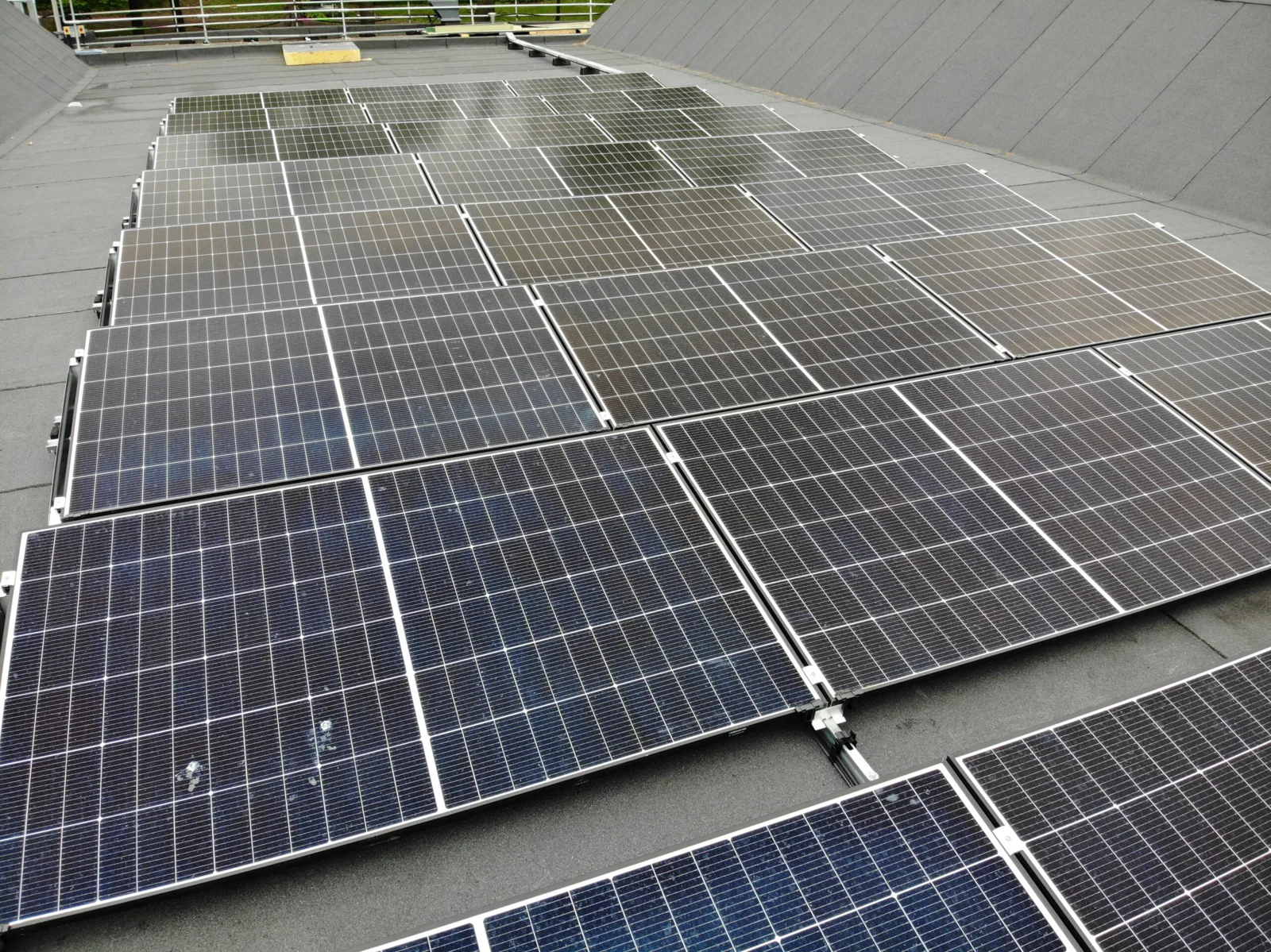
Commercial Roof Inspections
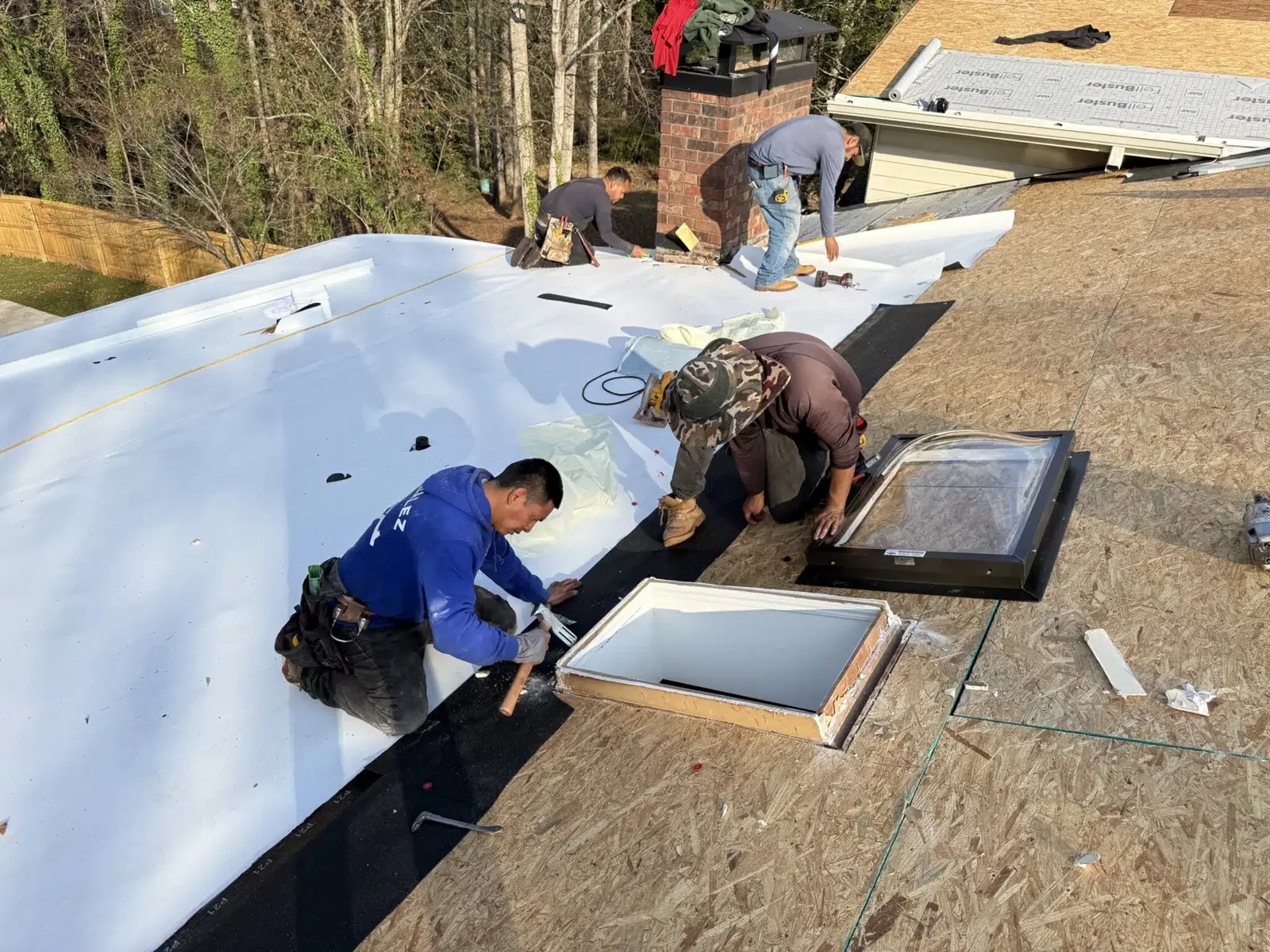
TPO Roofing
Hail Damage Roof Repair
Occupied Building Reroofing
Roof Condition Reports
Central I-35E
Request a flex building roof inspection
We will map the roof by tenant and operating zone, document findings, and provide repair or replacement next steps with access phasing.