
Commercial Roofing in Highland Village, TX
Home // Service Areas //
Overview
Highland Village in Lewisville
Highland Village identifies retail and office use along FM 407 and FM 2499, and it flags corridor redevelopment opportunities along both. The city also designates non-residential uses along those roads and along Highland Village Road near I-35E. For roof work, redevelopment is the key word. A corridor that is being refreshed will see remodels, tenant changes and new rooftop equipment, and each of those touches the roof. We keep the roof record ahead of those changes, so an owner deciding whether to renovate knows the condition of the membrane before the interior budget is set. The record format matches what we use for owners in Lewisville, TX.
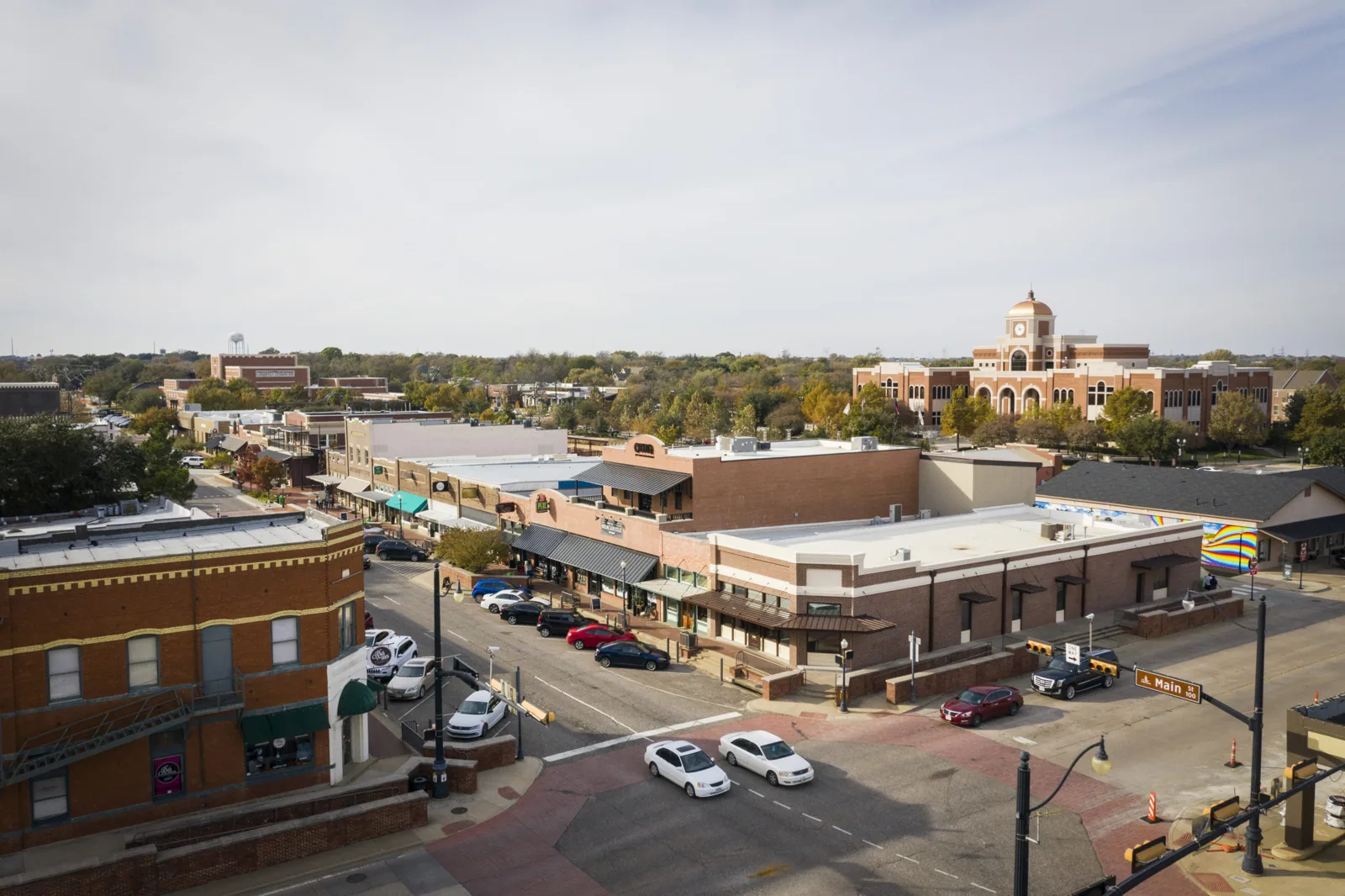
Corridor buildings: small footprints, shared edges
A corridor retail or office building may be far smaller than a big-box or industrial one, and a small roof leaves little room for error. A single failed flashing can wet an entire suite, and a single clogged scupper can pond across a large share of the roof. The inspection pass is therefore detailed rather than wide: every curb, every pipe, every drain and every edge is photographed and logged.
Where buildings share a wall or a parapet, the record notes who maintains which side and photographs the joint from both. A commercial roof leak repair in that setting starts by confirming which roof the water entered, because water can travel along a shared parapet and show up next door.
Drainage on small roofs gets the same care as on large ones. A single scupper or interior drain serves the whole surface, so a blocked outlet is a serious event. We clear the outlet, confirm flow with water and record the depth of any pond that remains after it clears.
Redevelopment timing: roof before interior
A tenant improvement that finishes drywall, ceilings and flooring beneath a tired roof invites trouble. If the roof then leaks, the finish work is damaged and the tenant is unhappy. The better order is a roof inspection first, a decision on repair or replacement second and interior work last. For an owner planning a corridor refresh, that order protects the interior investment.
We provide a short roof condition summary that a design team can use in early planning: membrane type, remaining life as read on the roof, drainage condition, penetration count and any moisture findings. Where a remodel adds rooftop equipment, the summary shows where new penetrations will go and which curbs and supports are already in place. A roof condition report carries the same content in a longer format for lenders.
Cost and timing follow area, wet insulation, penetration count, access and the hours a tenant allows. A roof replaced during a remodel can share a mobilization and a lift with other exterior work, which sometimes lowers the cost of each.
Retail and office details: canopies, skylights and signage
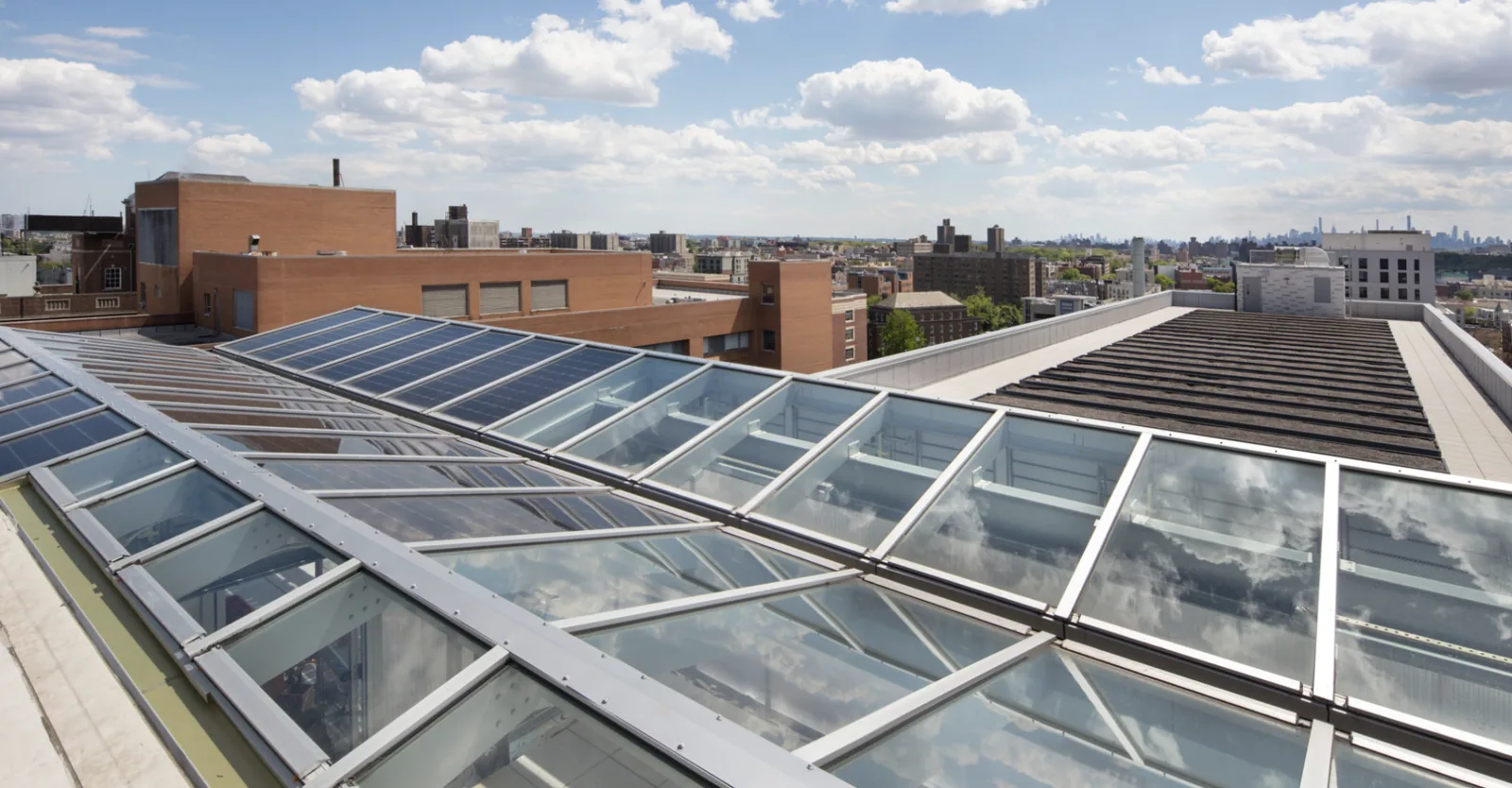
Small commercial buildings carry details that large ones lack. Storefront canopies tie into walls, signage supports penetrate parapets, and skylights bring daylight into a suite and a leak risk along with it. Each detail has flashing that moves with temperature, and each is a place where sealant dries out. Our skylight and penetration flashing repairs rebuild the flashing at those spots with materials that tolerate movement.
When a canopy leaks into a storefront, we trace the water through the wall connection, not just the canopy surface, because the entry is often behind the cladding. The record marks the connection, the photographs show its condition and the repair boundary stops at sound material.
Signage deserves special attention during rebranding. New sign supports often need new penetrations, and a rushed install leaves holes sealed with caulk alone. We recommend curbed or flashed supports and a check of the roof by the same crew that opens it.
Work coordination: customers, deliveries and parking
On a corridor property, the customer path and the roof path often cross. Lifts need a corner of the parking lot, material trucks need a loading window and the crew needs a safe route past storefronts. We agree on a staging area, mark the closed stalls, place barriers and brief the managers of each tenant. Noise from the roof reaches the sales floor directly, so the loudest steps are scheduled for hours the tenant picks.
Restaurants and medical offices have particular needs. A kitchen cannot lose ventilation at lunch, and a clinic cannot accept dust during appointments. The plan names the work windows, the intake protection and the person who can pause work if a problem appears, and the access log shows who entered the roof and when.
Spring storm exposure and the dated baseline
North Texas storms peak in spring, and the Weather Service reports that damaging wind, hail, flooding and tornadoes strike somewhere in the Metroplex almost every year. A storm report for the region says little about a single Highland Village building. A dated baseline from before the season gives the owner something specific: after a storm, a repeat pass shows which marks are new.
The same record supports repairs and claims. Photographs of the damaged area, readings of nearby insulation and the list of temporary protection placed on the roof give an adjuster a clear picture. Our flashing failure repair work often follows a storm, since wind-driven rain exposes weak details first.
Coating or replacement for aging small roofs
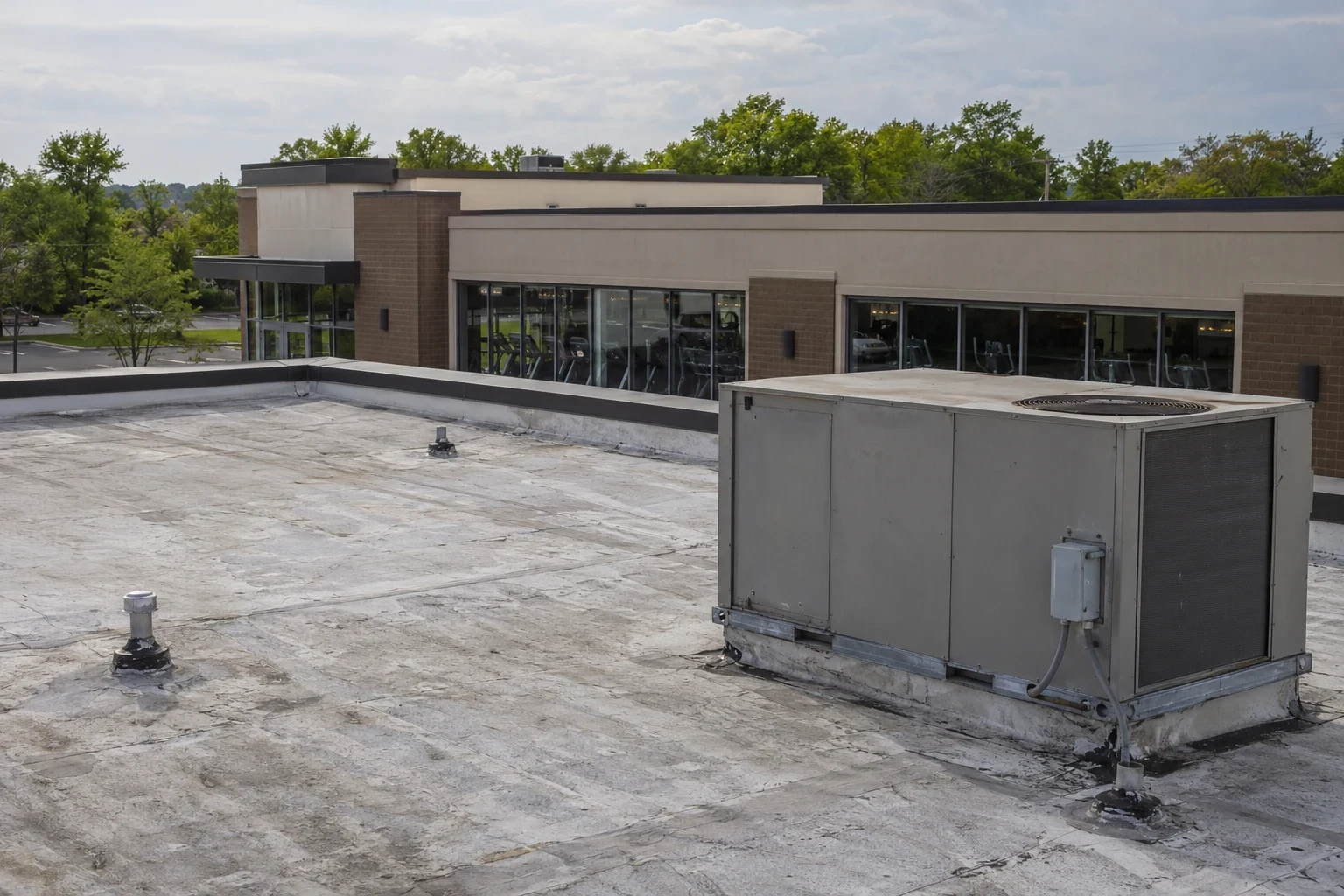
For small roofs with a sound base, a coating can add years at modest cost. The decision rests on moisture: a roof with dry insulation and a flexible membrane can take a roof coating restoration, while a roof with scattered wet areas needs those areas replaced before coating. We cut test cores or run an infrared scan, then recommend a path with its limits in plain terms.
On a corridor property that may change hands in a few years, a coating with a clean record is a selling point, and a replacement with a warranty is a stronger one. The decision file holds the evidence either way.
Heat plays into the call. The regional airport records about twenty days a year at or above 100 degrees, and a dark small-building roof bakes in that sun. Chalking, hardened sealants and shrinkage at walls tell us how much UV the surface has taken, and photographs of the same spots from year to year show the pace.
Closeout record for owners with several corridors
Owners with property in Highland Village, Flower Mound and Lake Dallas receive a packet for each building with photographs, readings, plans and open items. The packets share a format, so comparison is quick and a lender or buyer can follow the roof's history without a briefing.
Commercial Roofing Questions
When should a roof be inspected in a remodel plan?
Before design is finalized. The result sets what the budget must include and prevents finish work under a failing roof.
How do you handle a shared parapet?
We photograph the joint from both sides, mark who maintains each part and confirm which roof the water entered before repair.
Can a skylight leak be repaired without replacing the dome?
Often. If the curb flashing has failed and the dome is sound, rebuilding the flashing solves it. A cracked dome needs replacement.
Is a coating suitable for a small corridor roof?
If the insulation is dry and the membrane is flexible, yes. Wet areas must be repaired first.
What does the roof summary for a design team contain?
Membrane type, remaining life as read on the roof, drainage condition, penetrations and moisture findings, all dated.
What affects the timing of roof work on an occupied corridor property?
Tenant hours, delivery windows and weather. We schedule loud steps for quiet times and keep the roof dried in at the end of each shift.
Related
Related Roofing Work
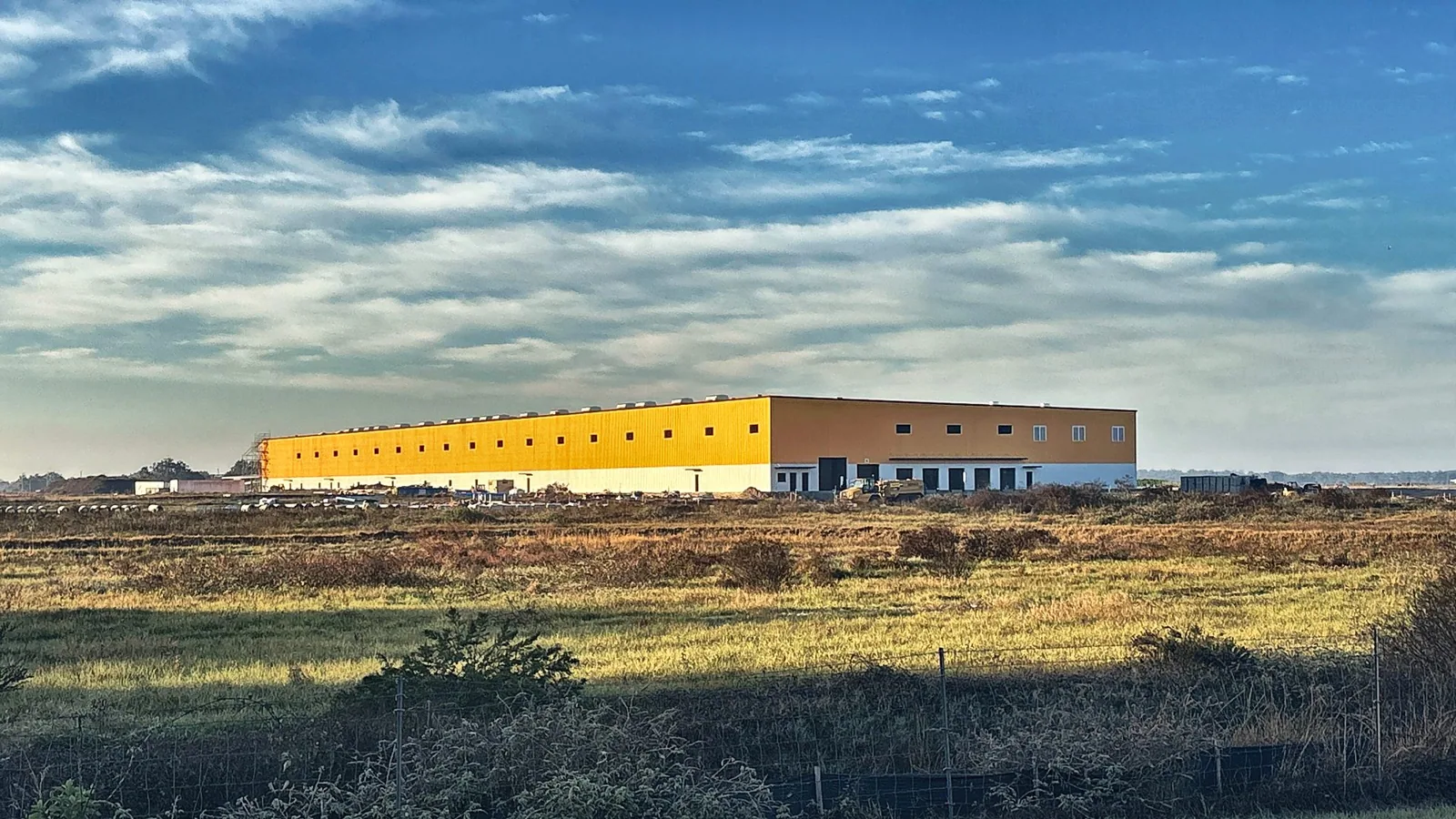
Commercial Roof Leak Repair
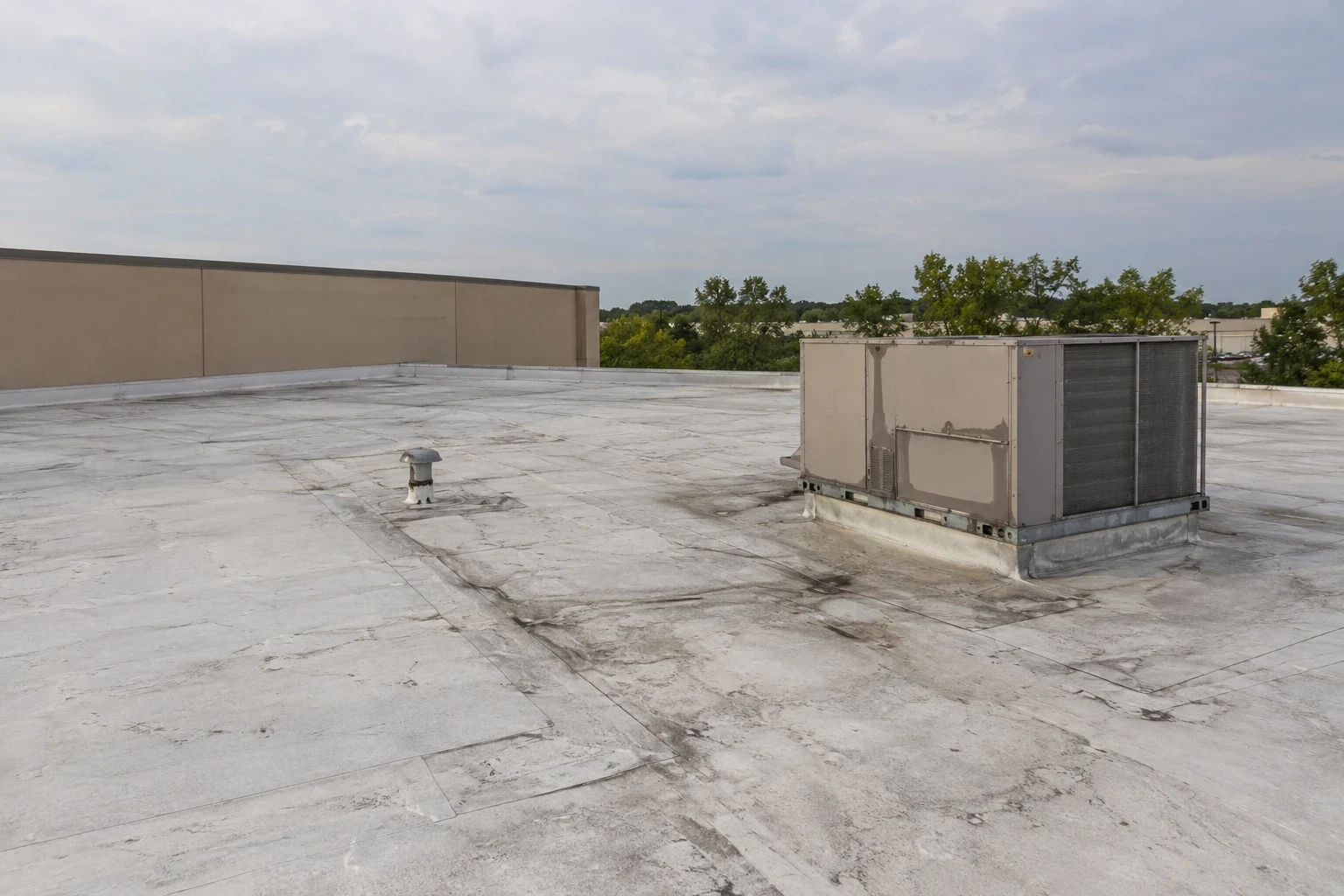
Roof Condition Reports
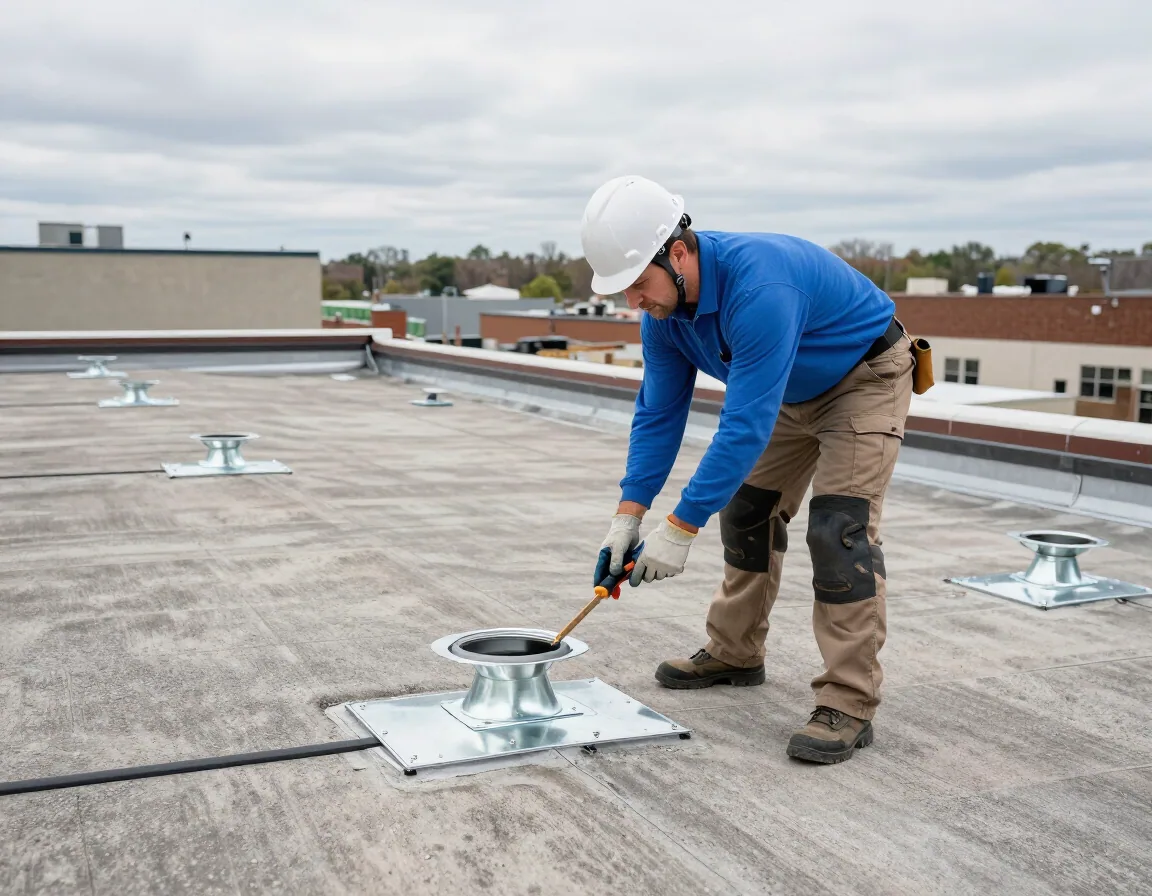
Skylight and Penetration Flashing
Failed Flashing Repair
Roof Coating and Restoration
Flower Mound
Schedule an inspection and get the dated record
Tell us the building, where water has appeared and whether a remodel is planned. We will inspect, send photographs and findings with dates, and recommend next steps.
