
Apartment Roofing in Lewisville, TX
Home // Property Types We Roof //
Overview
Apartment Roofing in Lewisville
The work-order history is the first record to pull on an apartment community. Maintenance staff log leaks by unit number and date, and over a few years that log shows which buildings, which stacks of units and which corners of the property keep calling for the same ceiling repair. In Lewisville, TX the inspection pass lays that history over the roof plan, building by building, before anyone decides whether the answer is a repair program or a replacement.
A pattern of leaks in the top-floor units of one building is a different finding from scattered stains across the property, and the record should show which one the property has.
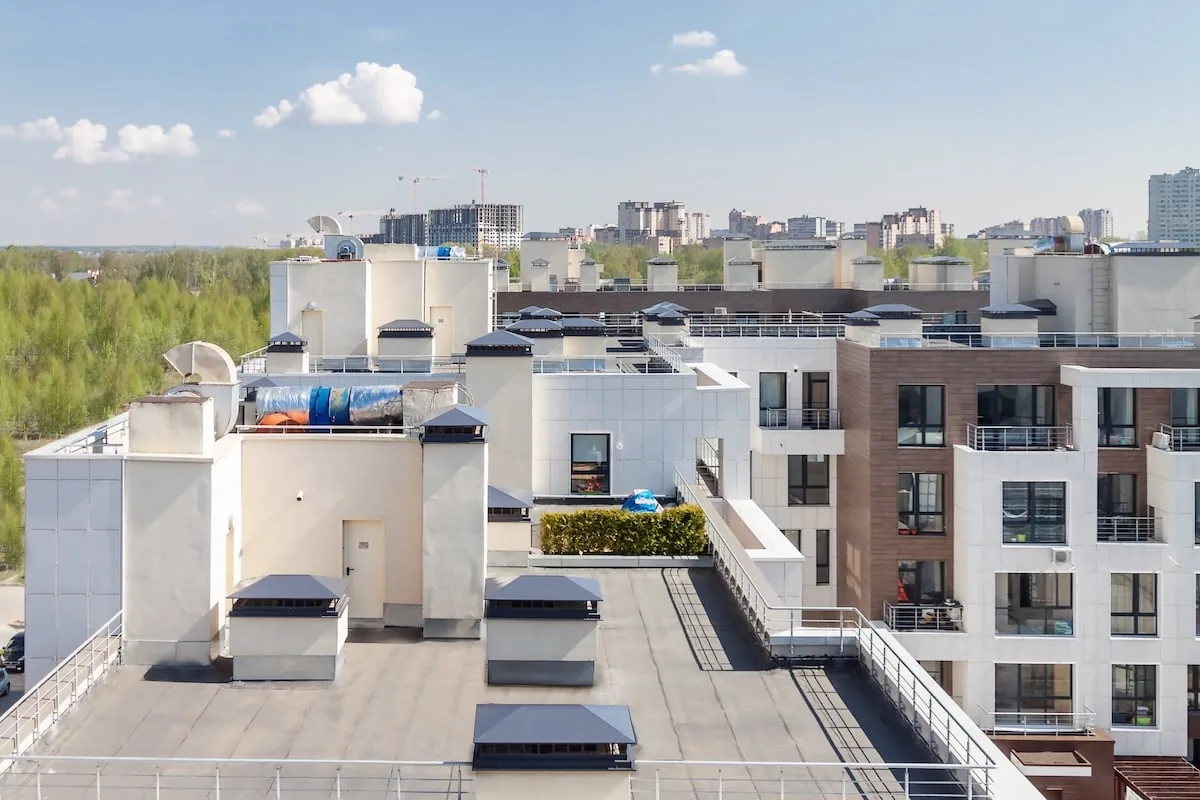
Local context: multifamily around the corridors and transit
Multifamily appears in Lewisville's development materials alongside office and retail near the interstate and SH 121. On the west side of I-35E, the city's Northern Gateway vision covers about 300 acres of mixed-use urban village, including transit-oriented residential locations and open space. Castle Hills plans multifamily development as part of its mixed-use program along SH 121, and the Denton County Transportation Authority's A-train runs through the city.
These plans show a city adding dense housing near transit. They do not describe any particular roof, so the scope begins with the building: its drawings, a core in each roof section and a walk with the property manager.
Property managers carry a second burden here: the building has to look maintained. A visible blue tarp over a roof section or a line of stained soffits tells residents something is wrong, and the roof record helps the manager decide what to repair now, what to schedule and what to tell the community.
Resident impact: notices, access and quiet hours
Residents live under the work. Notices go out before each phase with the dates, the hours, the buildings affected and a contact. Tear-off and fastening are scheduled for the middle of the day when most residents are out, and noisy work avoids weekends and early mornings. Parking, trash enclosures, walkways and pool areas near the work are fenced or rerouted.
Interior access is a separate matter. Roof leaks sometimes need a look inside a unit, and that requires notice under the lease. The access log records each entry request, the time and the staff member present, so the property can show how interior entries were handled.
Safety rules keep residents off the work. Ladders and lifts are locked or removed at the end of each day, debris chutes discharge into fenced containers and nails and fasteners are swept with a magnet sweeper along walkways, parking and play areas. The plan names the person who walks the grounds each afternoon, and the log records what was picked up.
Pets, children and balconies need their own notes. Residents on upper floors are told when work will be directly overhead, and balcony items near the edge are moved by staff or residents ahead of time. A short notice template with those points goes out before each building starts.
Roof zones: pitched sections, flat decks and balconies
Apartment buildings often combine roof types. A pitched roof may cover most of the building, a flat or low-slope deck may cover a stair core or a podium, and balconies and breezeways have their own drainage. We number each zone, identify the system by core or drawing, and log the condition of valleys, ridges, flashings and drains.
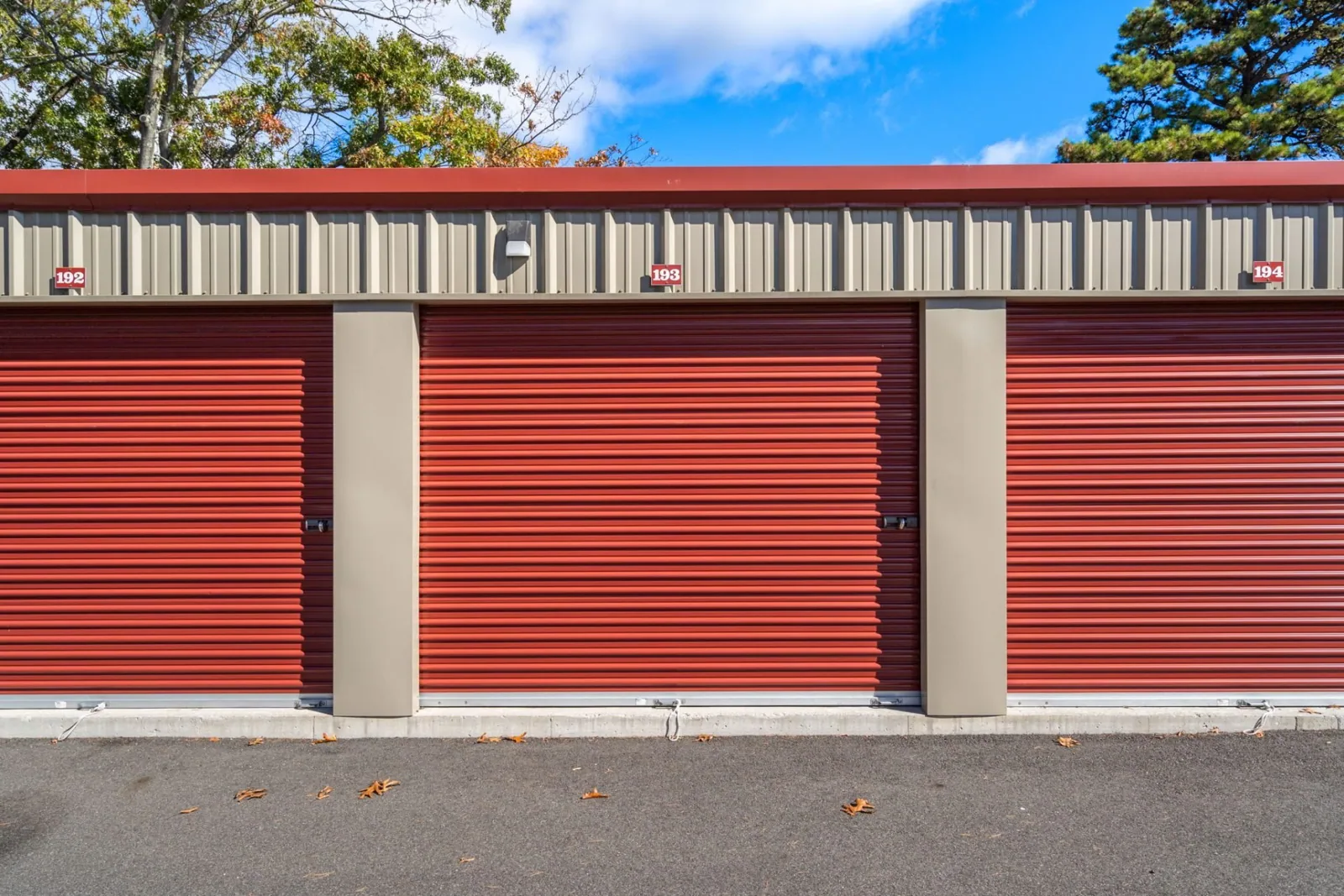
Common leak points repeat: wall-to-roof transitions, chimney or vent penetrations, valley junctions and balcony tie-ins. Photographs go in sequence from the zone to the detail. An edge metal, coping and gutter pass checks the perimeter, where wind finds the first loose piece.
Breezeways, stair towers and covered walkways are often overlooked and often leak. Their roofs are small, their drains are tiny and their flashings meet several different wall types. We list each one with the same care as a main roof, since a failing breezeway can wet the ceiling of a ground-floor unit as surely as a failing main roof can wet the top floor.
Storm evidence: hail season and resident claims
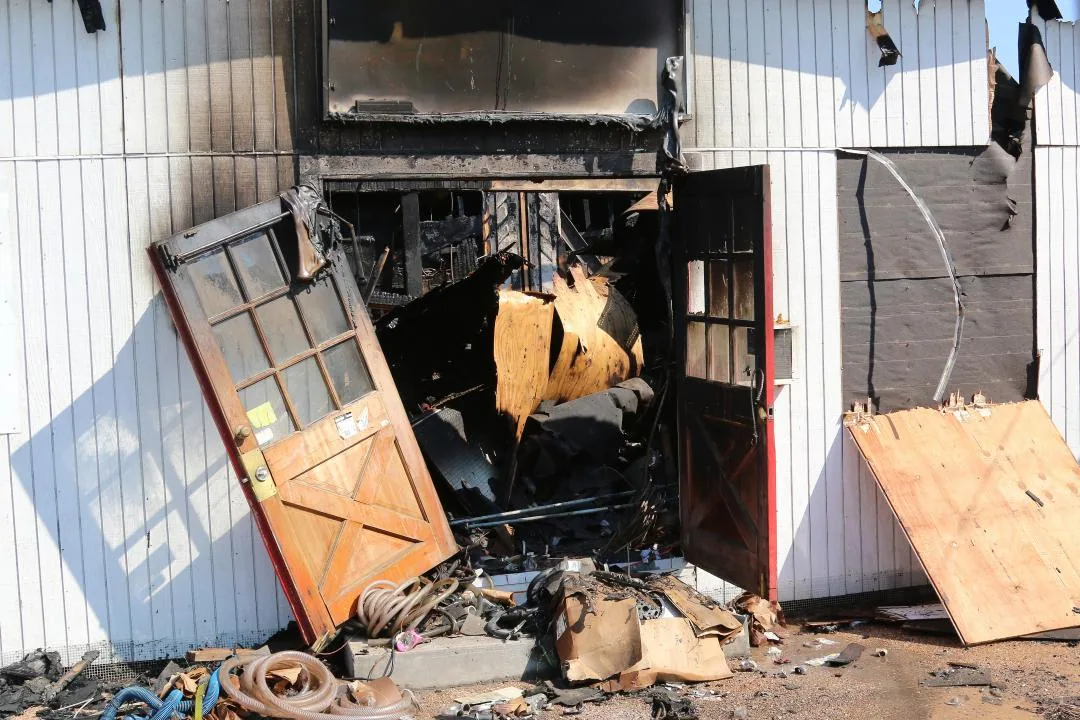
Spring thunderstorms bring hail, wind and sometimes tornado-producing weather somewhere in the Metroplex most years, though a given community may be missed. After a storm, residents report leaks and owners ask whether the roof was hit. The pass answers with photographs: each building from the same positions as last time, new bruises and displaced material marked and moisture read where the roof is open.
Where damage is visible, the hail damage repair scope covers the buildings that need it, and the dated record helps the owner talk to an insurer about the damaged ones without paying for the sound ones.
Decision file: ranking buildings across a community
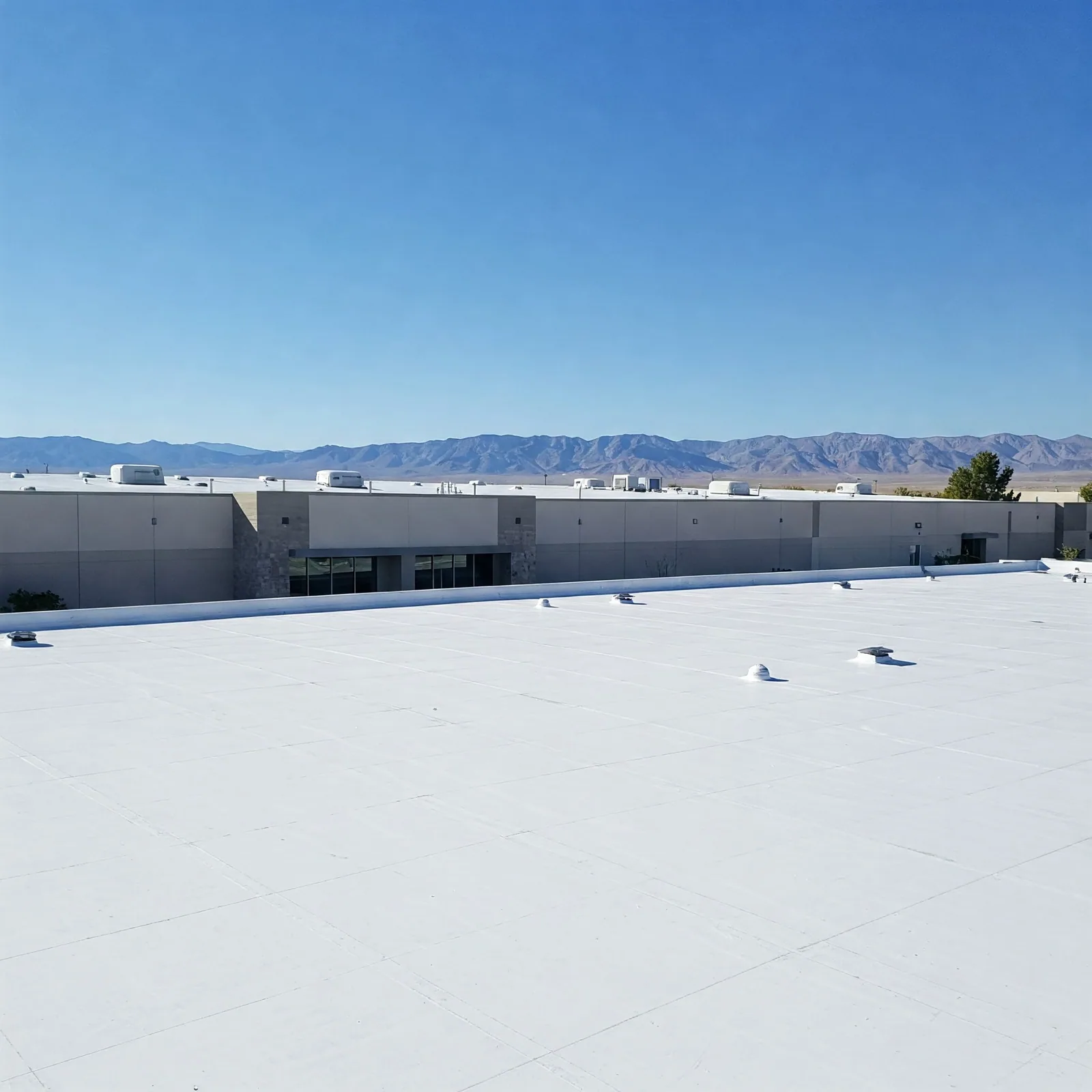
A property with many buildings cannot reroof them all in a year. The decision file ranks buildings by condition, leak history, remaining life and the number of units below, and it pairs each rank with a likely budget window. An owner with several communities can compare them using the same measures. Our multi-site roof program format does that across a portfolio.
The file also supports lenders and buyers, who ask for the roof's age and condition at refinance or sale. A clear record shortens that conversation.
Cost drivers are plain: roof area per building, pitch and complexity, number of penetrations, tear-off layers and the number of phases the leases and the residents allow. The scope prices each line separately, so the manager sees how a different phasing plan changes the number.
Work window: weather, heat and phasing
Phasing by building keeps residents in place. Each building is worked in turn, dried in daily and left clean at the end of the shift. The access log lists the crew on site, the stop conditions and the person who walks the area afterward.
Heat shortens the summer day. Triple-digit afternoons arrive on about twenty days a year, so shingle or membrane handling starts early and ends before the hottest hours. Occupied building reroofing plans state the dry-in routine and the contact for after-hours calls.
Waste is part of the plan. Dumpsters or debris trucks go where they do not block fire lanes or trash pickup, and removal is scheduled around the days the property's own trash service runs.
Closeout packet: the community's roof record
The packet holds the zone map, work-order overlay, moisture readings, product sheets, access log and dated photographs, with the next inspection date. A hotel or a senior living community in the same portfolio can share its layout.
The packet also lists open items by building with the date each was last looked at, so the next budget cycle starts from a written list and not from the memory of whoever managed the property last year.
Commercial Roofing Questions
How is the roof work scheduled around residents?
Notices go out ahead of each phase, noisy work runs midday and on weekdays, and buildings are worked one at a time and dried in daily.
Why compare leak history with the roof plan?
Repeated leaks in the same stack of units point to a specific roof detail. The overlay finds it faster than a general walk.
Do interior unit entries need notice?
Yes, under the lease. The access log records each request, time and staff member.
How is a hail report handled for a large community?
Buildings are photographed from the same positions as before, readings are taken where the roof is open and damage is mapped by building.
How are buildings ranked for replacement?
By condition, leak history, remaining life and the number of units beneath each roof, with the reasoning kept in the decision file.
Related
Related Roofing Work
Northern Gateway
Edge Metal, Coping and Gutters

Hail Damage Roof Repair
Multi-Site Roof Programs
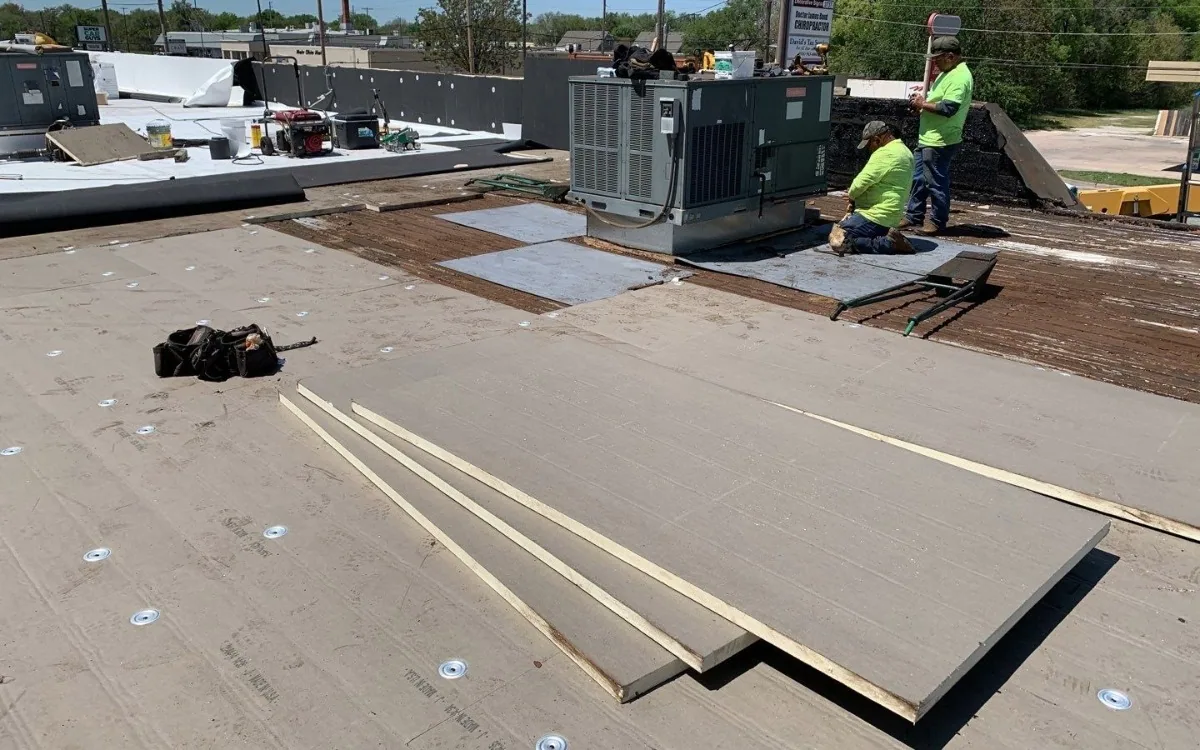
Occupied Building Reroofing
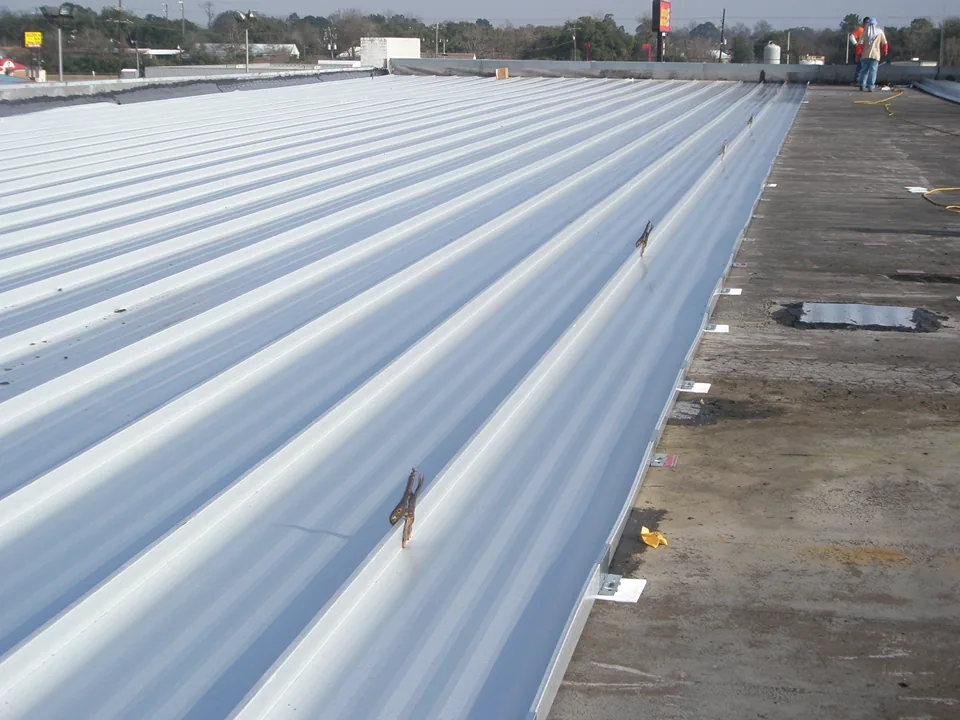
Hotel Roofing
Schedule a building-by-building inspection
Send the work-order history and the site plan, then schedule an inspection to receive a dated condition record with photos, findings and recommended next steps.
