
Senior Living Community Roofing in Lewisville, TX
Home // Property Types We Roof //
Overview
Senior Living Community Roofing in Lewisville
A maintenance log marked beside a resident-wing roof zone gives the first useful clue: whether a ceiling stain appeared before or after the last repair. For a senior living community in Lewisville, TX, the inspection connects a ceiling condition to the roof above without disrupting meals, medication rounds, or resident movement. We review the roof plan, service notes, and access rules, then photograph each area and the next test or repair decision.
Healthcare-related and multifamily development sits among the office and retail around I-35E and SH 121, but a care community still sets its own rules. A residential wing, kitchen, wellness room, and service corridor may need different work windows, so inspection records keep their zones separate.
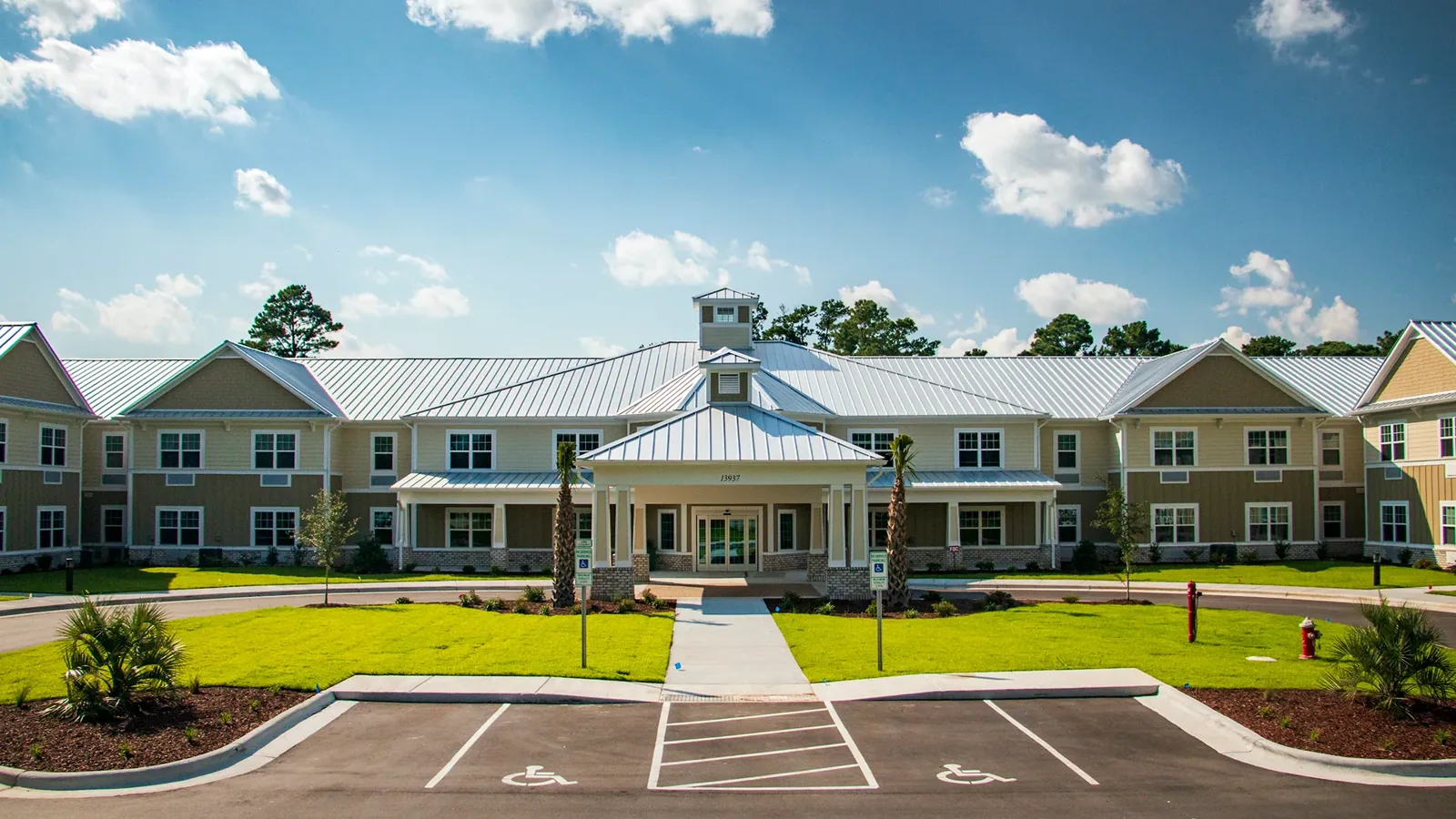
Resident wing: set the access boundary
Start with the roof hatch, ladder, and interior route. We record who can release access, whether a resident-facing corridor is below the work area, and which hours avoid deliveries or scheduled activities. If a lift or material drop is needed, the staging line is marked before a scope is priced. That information can change labor and sequence, especially where a narrow drive also serves visitors, emergency vehicles, or food service.
Each roof zone receives a label that appears in photographs, findings, and the decision file. A stain over a common room is not treated as proof that the defect sits directly above it. We trace the roof assembly, inspect nearby penetrations and transitions, and use moisture testing when the visible surface does not settle the question. A commercial roof inspection gives the manager a dated baseline with each observation tied to a location and a recommended next step.
Assembly check: find the layer that failed
Senior living buildings can contain additions, covered walks, kitchen exhausts, rooftop units, and different roof sections installed at different times. We do not assume a single membrane or condition across the property. The inspection notes sheet type where visible, seam condition, perimeter metal, flashing, drain path, penetrations, and prior patches. A test cut can confirm the roof layers and whether insulation is dry, but only after the owner approves the location and interior protection plan.
That distinction drives the repair boundary. A limited seam or flashing defect over dry insulation may be repaired in place. Widespread wet material changes the scope because a new surface over saturated board leaves the underlying problem in place. We compare the findings with infrared moisture survey results where useful, then confirm suspect patterns with a core. The record states what each method showed and whether another test is needed before choosing a system.
Storm record: distinguish report from roof evidence
Hail and damaging wind reach some part of the Metroplex in a typical year, though a given community may be missed. That regional pattern supports a timely inspection, not a conclusion about one community roof. We compare dated photos, service records, and visible marks before assigning any repair action. The photo sequence moves from a wide roof-zone view to seams, soft metal, penetrations, and equipment.
Summer adds its own load, with July and August highs near 96 degrees at the regional airport. Heat cycling can stress seams, sealants, and flashing terminations over time. During inspection we log open laps, loose edge metal, chalking, and ponding marks by zone, then determine whether they are active defects or monitoring items. If a storm concern requires immediate protection, emergency roof repair can stabilize the area pending a permanent scope.
Occupied work: phase before material arrives
Work over an occupied care setting requires a written sequence. We divide the roof into sections small enough to close out before conditions change, identify which doors or corridors require protection below, and coordinate any rooftop unit shutdown with the facility contact. The daily work window includes a start point, a stop condition, and a dry-in check before crews leave. If rain risk rises, the open area is secured and the affected zone is recorded, rather than relying on a verbal handoff.
For replacement, tear-off depth, disposal route, crane placement, and access to a roof hatch all affect timing. A recover may reduce disruption only if the existing assembly is suitable and local requirements allow the proposed build-up. While the permit office determines which edition and amendments apply to a specific project, Lewisville's adopted standardized codes include the 2021 International Building Code. Our occupied-building reroofing plan ties those checks to the actual scope, not a generic calendar.
Scope comparison: repair, recover, or replace
The decision file compares the same roof zones under each viable option. For repair, we list the defect, boundary, material, and follow-up date. For recover, we identify the existing layers, attachment, drainage changes, and details that must be rebuilt. For replacement, we show tear-off limits, insulation work, perimeter details, and the phasing needed to keep the building dry. If moisture findings vary across wings, the scope keeps the sections distinct rather than averaging the condition across the whole community.
Cost and duration move with roof area, penetration count, access, disposal, insulation replacement, and the number of work phases. Kitchen exhaust and resident-facing areas may require additional protection and coordination. We connect each allowance to a visible condition or an agreed assumption so the manager can compare proposals without guessing what a line includes. Roof capital planning can use the same dated findings to separate immediate work from later budget periods.
Closeout packet: preserve the operating record
At closeout, the manager receives the zone map, before-and-after photographs, moisture or core results, installed-material information, completed details, and an access log with work dates. Deferred repairs keep a location and review date in the condition record, giving future maintenance a clear starting point.
A community roof record belongs to its property alone. Hospital roof zones and medical office assemblies keep their own records in the same format, so a manager who oversees more than one kind of care building reads each roof on its own terms. A building in Old Town Lewisville is recorded the same way as one near I-35E or SH 121, with its own zone map and its own dated photographs. Our roof condition report organizes findings by zone and keeps images alongside the recommended action. When the next storm report arrives, the owner can compare the roof as observed on a specific date and does not need to infer a result from regional weather alone.
Commercial Roofing Questions
Can the roof be repaired without closing resident areas?
The roof zone, access route, and work method decide the answer. We set a defined boundary, protect the interior below, and agree on stop conditions with facility staff before opening the assembly. Some repairs stay outside resident circulation; larger replacement phases may need a temporary room or route adjustment. The closeout record identifies completed work and areas still under protection.
How do you investigate a ceiling stain in a resident room?
We start at the stain, then trace the roof zone above and nearby details that can move water laterally. The inspection records the ceiling location, roof photos, drain path, seams, and penetrations. Moisture readings or a test cut may be needed to determine whether water reached insulation. The finding is then marked repair, further test, or monitoring, with a date and photo reference.
What changes a repair into a replacement scope?
The extent and location of wet insulation, repeated failures, attachment condition, and repair history carry the decision. Isolated defects over dry material can remain repair candidates. Broader moisture or multiple failing roof zones may support replacement, subject to a confirmed assembly and drainage review. We show those conditions by zone so the owner can see how each option follows from the record.
Can you schedule work around meals and medication rounds?
Yes. We confirm the facility calendar, roof access route, and any equipment coordination before setting the daily work window. Material movement, noisy tear-off, and temporary openings are sequenced around the restrictions the manager identifies. The access log records the agreed hours and the closeout check, so a schedule change is documented before the next shift relies on it.
What will the community receive after a roof project?
The closeout packet includes dated photographs, zone references, completed repair or installation details, material information, and test results where they were part of the scope. We also list items left for monitoring and the next review date. It supports maintenance, budgeting, and staff handoff.
Related
Related Roofing Work
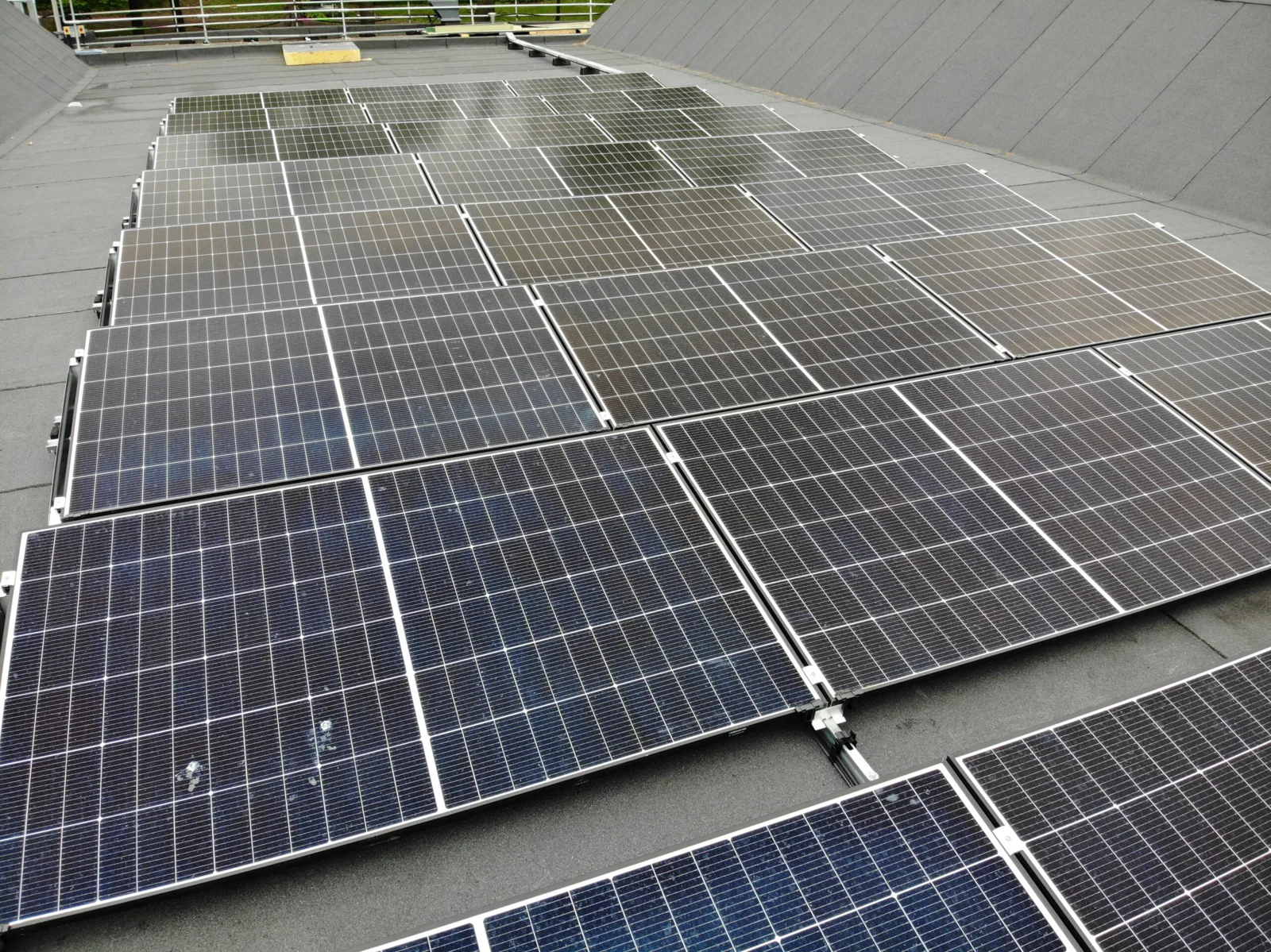
Commercial Roof Inspections
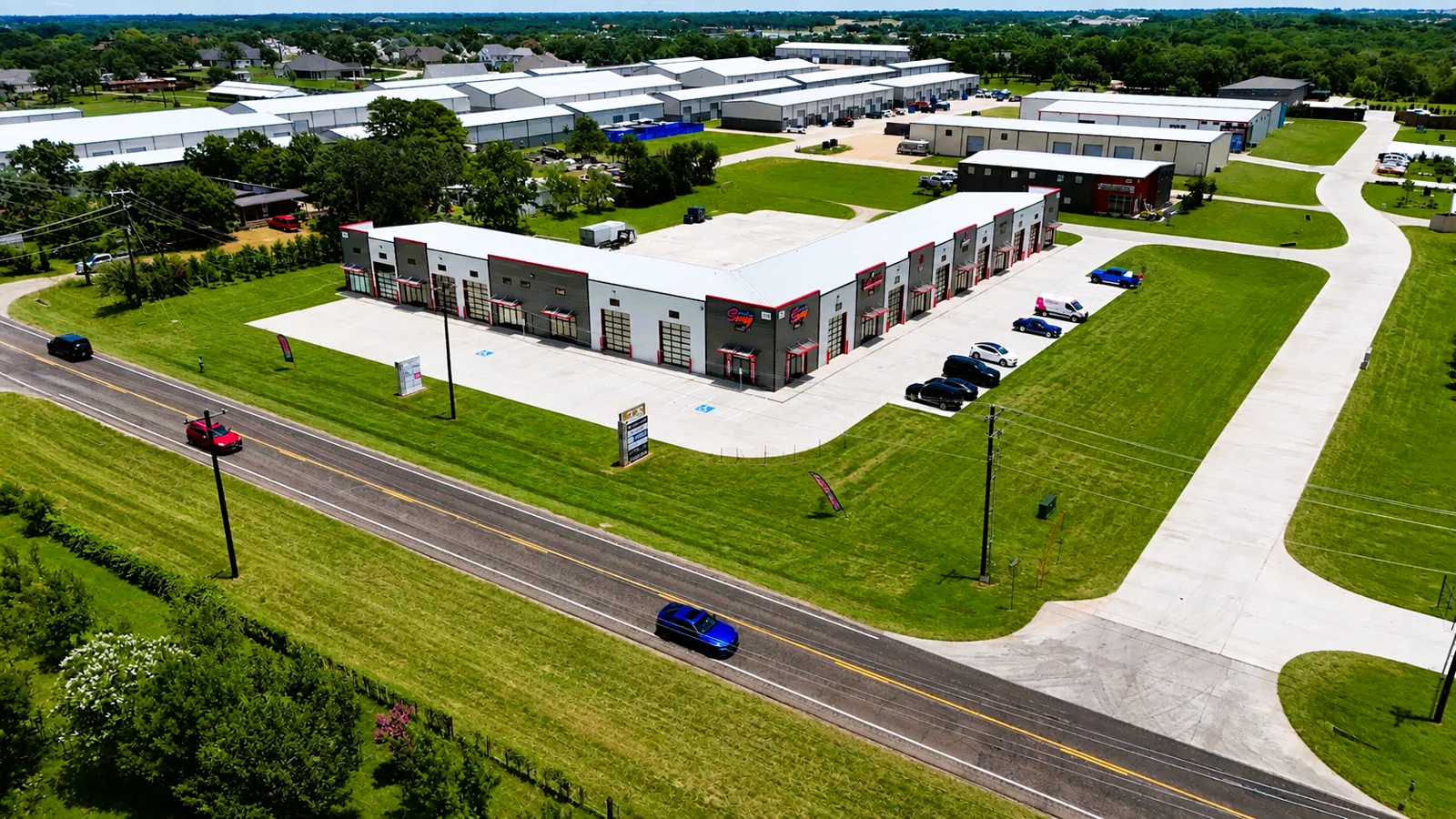
Infrared and Core-Cut Moisture Surveys
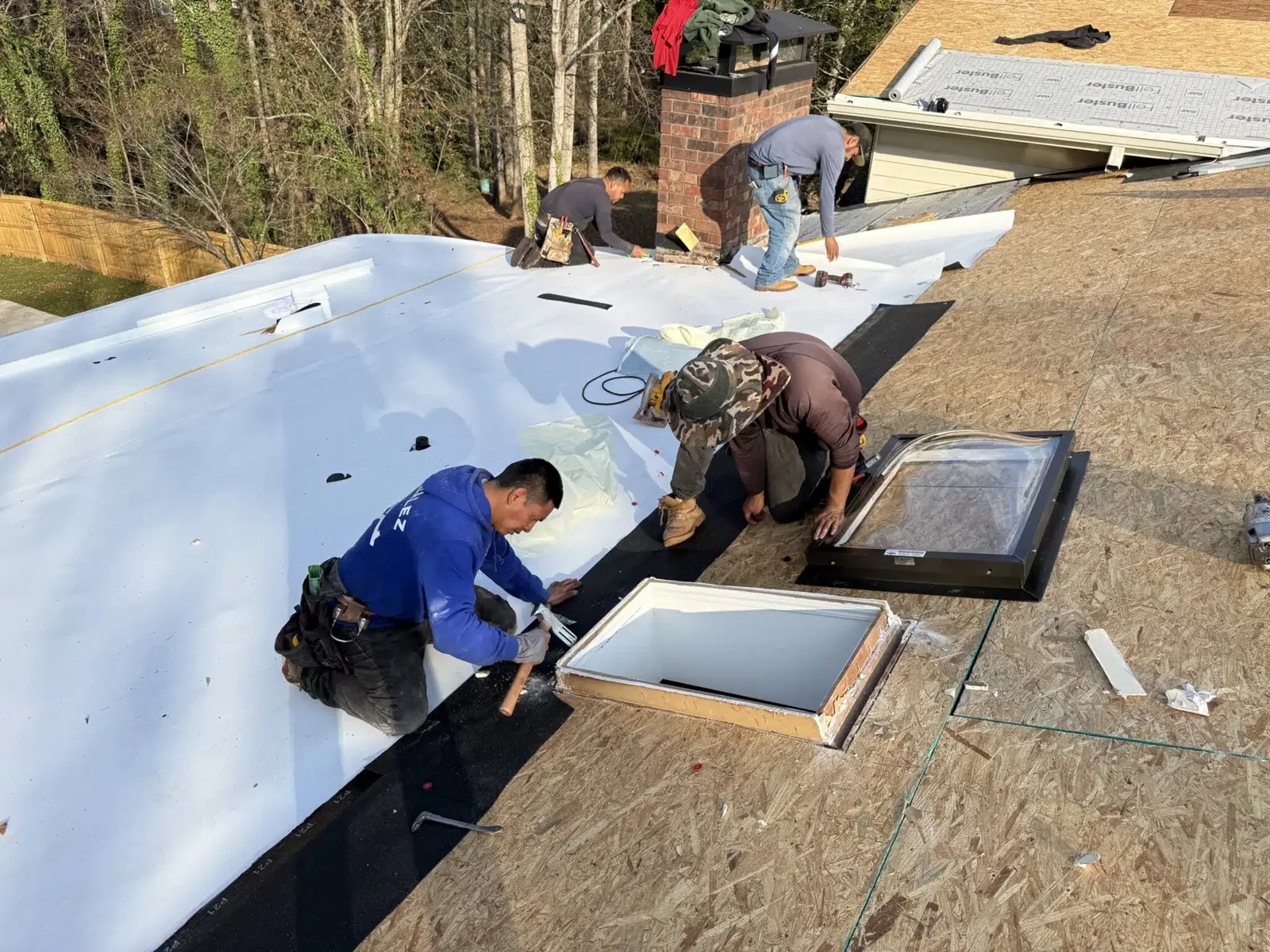
Emergency Roof Repair
Occupied Building Reroofing
Roof Capital Planning
Hospital Roofing
Schedule a senior living roof inspection
We will inspect the roof by zone, coordinate the access window with facility staff, and provide dated photos, findings, and recommended next steps.
