
Government Building Roofing in Lewisville, TX
Home // Property Types We Roof //
Overview
Government Building Roofing in Lewisville
A dated work order paired with the roof plan keeps a municipal building repair tied to a specific zone, entrance, and public-service schedule. For government buildings in Lewisville, TX, the first inspection step is to identify the roof assembly and the access rules, then record each condition in a photo sequence that a facilities manager can carry into procurement. We mark seams, penetrations, drainage, edge metal, and prior repairs by roof zone so a board packet or bid scope can be checked against the same evidence.
A city office, a maintenance yard and a recreation building sit under very different roofs, so our inspection establishes the assembly, moisture condition, and repair boundary on the actual facility before we compare repair, recover, and replacement. Access, public occupancy, and the procurement calendar stay visible in the scope because each can affect work sequence and duration.
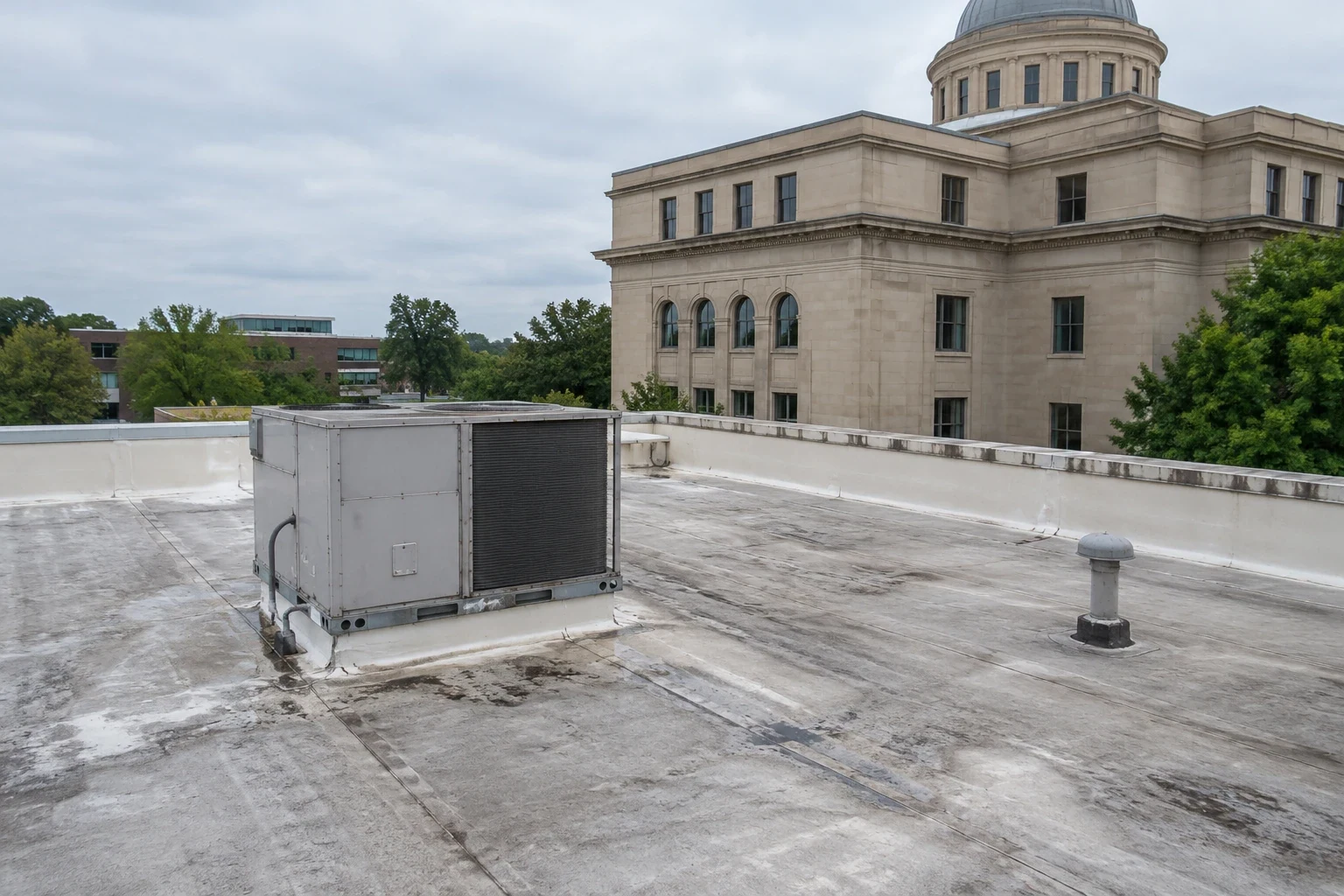
Assessment record: identify the roof and its limits
We begin with any roof plan, service log, leak tickets, and previous project closeout available to the facilities contact. The plan helps us assign names to roof sections, but field observations control the report. Each zone receives a wide photograph and a list of visible conditions: seam openings, punctures, wet-looking areas, membrane wear, loose metal, drain obstructions, and flashing changes. We mark items that need testing separately from defects ready to price.
A ceiling mark inside a public lobby is a clue, not the roof entry point. We trace the likely path above it, check nearby penetrations and transitions, and note whether the interior condition is active. If a finding could affect operations or sensitive equipment, we identify the room and access restriction without putting unneeded security details into the public scope. A commercial roof inspection can give the facilities lead a dated condition record and a prioritized next-action list.
Moisture check: confirm what lies below the membrane
Surface appearance alone does not establish whether water reached insulation. We record suspect zones, use moisture readings where appropriate, and recommend a test cut when the result would change the scope. A core confirms layers at the approved location and can show whether insulation is dry, compressed, or wet. If the roof has additions or previous recover work, sampling may need to cover more than one section. The report keeps each result attached to its roof-zone map.
A dry assembly with isolated seam or flashing defects may remain a repair candidate. Wet insulation or recurring failures can make a recover imprudent because the new surface would conceal material that still needs replacement. We explain the repair boundary and which areas would stay in service. For larger properties, infrared moisture survey results can help focus confirmatory testing, while a roof condition report keeps findings, photographs, and recommendations together for review.
Permit check: match scope to applicable requirements
Lewisville's adopted list carries the 2021 International Building Code, and each application gets its edition and amendments named by the permit office. Before work is priced as a recover or replacement, the project team should confirm current requirements, roof assembly details, insulation values, wind-uplift design, fire classification, drainage, and any public procurement specifications.
We document the proposed layers, attachment method, perimeter details, and tear-off limits in the scope so the design and permit review can address the actual assembly. If the facility has multiple roof zones, each one remains distinct in the drawing set and work sequence. A TPO roof system and a standing-seam metal roof require different detail and attachment checks. The selected system follows the existing building conditions and project requirements, not a generic municipal specification.
Public access: protect entrances and operating hours
Municipal buildings may serve residents while roofing work proceeds. We confirm roof-entry authorization, public entrances, parking or service lanes used for staging, and any rooms that cannot be interrupted. A lift location, material delivery, or noisy tear-off can affect public access, so the schedule identifies those items before the estimate is set. The daily work window records the opening area, dry-in deadline, and the person who checks the closeout.
A civic office, a maintenance building and a public meeting space have different operating constraints even on one site: the office needs a clear front entrance at opening, the maintenance building needs yard access, and the meeting room needs quiet when it is booked. Our occupied-building reroofing sequence lists the areas to isolate and when they return to service. For an active leak that cannot wait for a capital cycle, emergency roof repair can secure the affected zone while the lasting scope is prepared.
Scope comparison: price the same boundary
We compare options by roof zone and make their assumptions explicit. A repair scope lists the defect, material, access, and follow-up check. A recover scope identifies existing layers, insulation condition, drainage adjustments, and edge details to rebuild. A replacement scope marks tear-off depth, disposal, substrate work, and daily dry-in. If some sections can remain while others need replacement, the record keeps that boundary clear rather than rolling all conditions into one unexplained allowance.
Cost and duration move with roof area, penetrations, access control, equipment coordination, disposal, and protection of occupied rooms. Public procurement may also require a defined submittal and approval sequence. We identify the documents and decisions needed before mobilization so a permit or access delay does not appear after work begins. Roof capital planning can use the same condition record to separate immediate protection, near-term repair, and future replacement by section.
Closeout file: preserve the public asset record
The closeout file should show what was observed, what was approved, and what the contractor completed. We provide dated photographs, the roof-zone map, test results where performed, installed-material information, and a list of details repaired or replaced. The file notes any approved deviation and identifies deferred items with a review date. A facilities manager can then reconcile the scope with invoices and use the same record during a later inspection or budget request.
A public facility keeps its roof file through changes of staff and administration, so each entry carries a date and a zone reference a new facilities lead can follow. Buildings in Old Town Lewisville and along I-35E and SH 121 are recorded the same way, and a school building or house of worship uses the same access log and final documents. Schedule an inspection to create a usable condition record before the next procurement decision.
Commercial Roofing Questions
What documentation can be used in a municipal bid package?
A dated condition record with zone labels, photographs, test results, repair boundaries, and a defined scope gives procurement reviewers a common reference. The package can also include material information and the work sequence, including access restrictions and dry-in checks. We identify assumptions so bidders can price the same boundary.
Can you inspect an occupied city building during business hours?
The access plan determines what can be inspected while the building is open. We coordinate roof entry, public routes, equipment controls, and any rooms that require protection. Some roof areas can be examined without affecting service; lifts, loud work, or interior testing may need a separate window.
What confirms that a roof can be recovered?
A review of existing layers, attachment, insulation, drainage, and the applicable permit requirements. A visual pass may identify suspect zones, while approved test cuts confirm assembly condition at specific points. If wet insulation or repeated failures extend across sections, the decision file compares replacement with a recover rather than assuming another layer will solve the issue.
How do you handle a leak while a larger project is under procurement?
We document the affected zone, stabilize active water entry where feasible, and photograph the work and materials used. The temporary or permanent repair boundary stays clear in the service record. That allows the facilities lead to protect the interior while keeping the broader replacement scope separate for design, budget, and bid review.
Which code edition should appear in the project documents?
The permit authority confirms the edition and amendments that apply when the application is submitted. Lewisville lists the 2021 International Building Code among adopted standardized codes, but a project should verify current requirements before finalizing its assembly and details. We provide roof-system information for that review and revise the scope if the approved design changes.
Related
Related Roofing Work
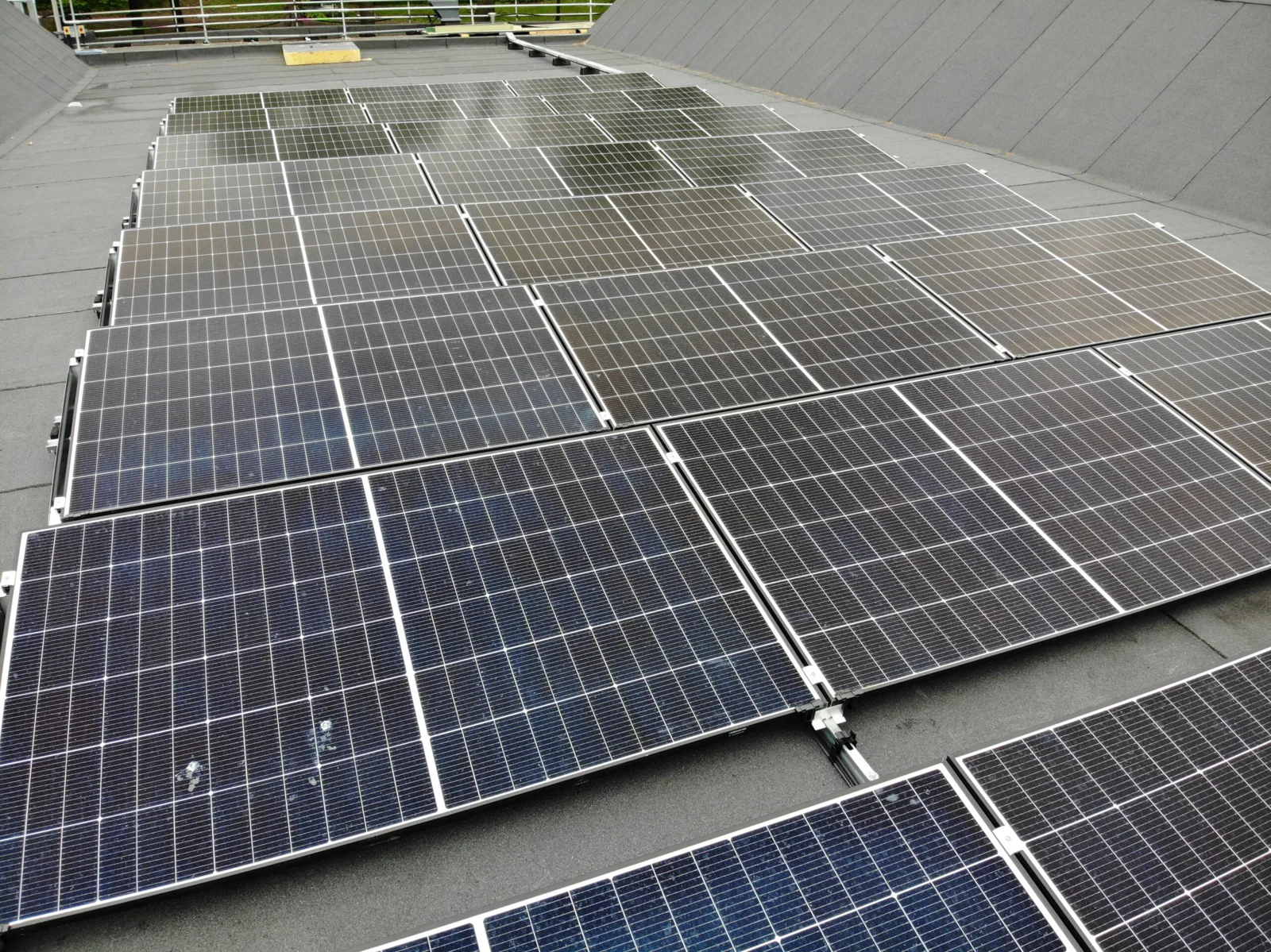
Commercial Roof Inspections
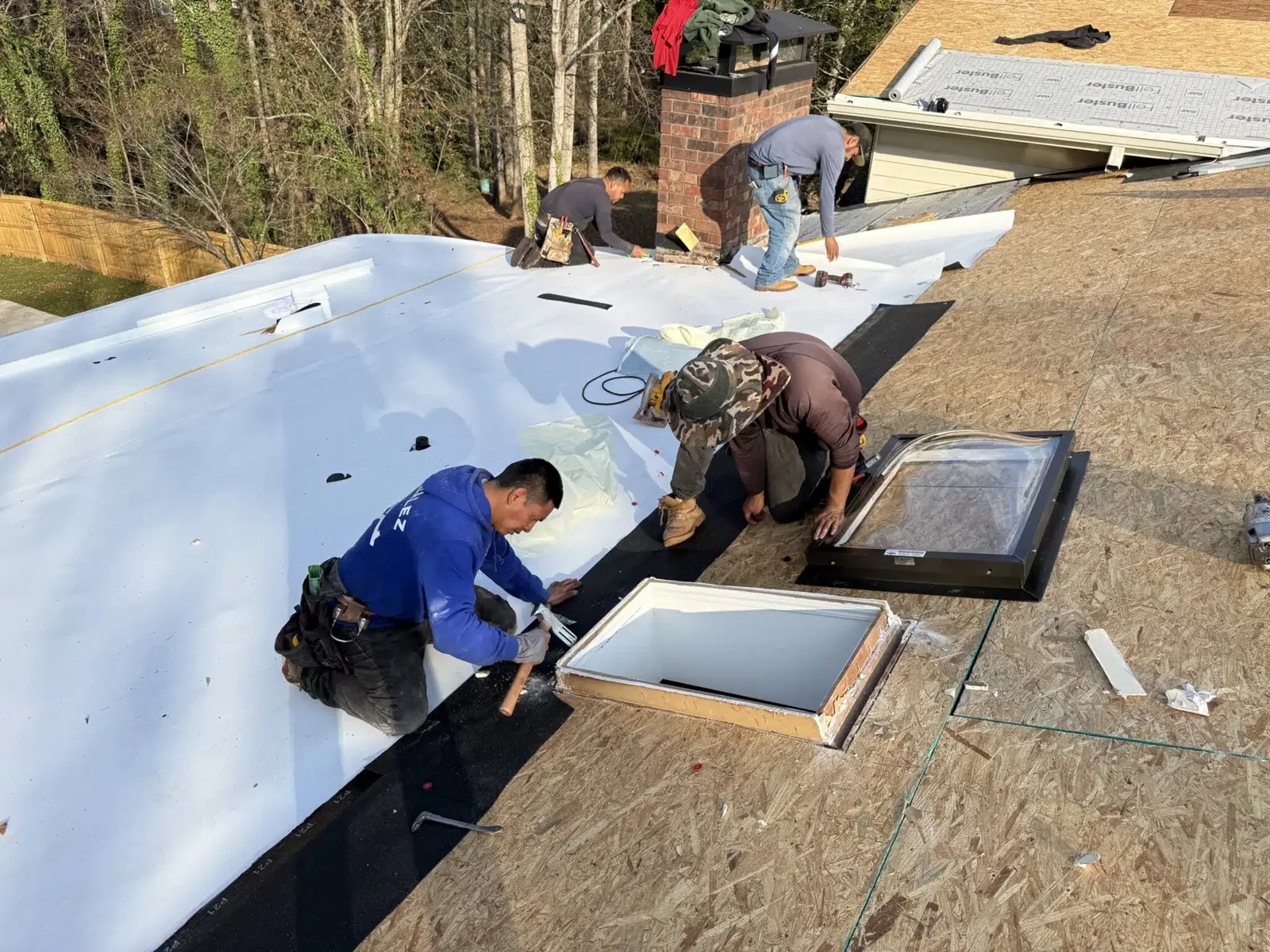
TPO Roofing
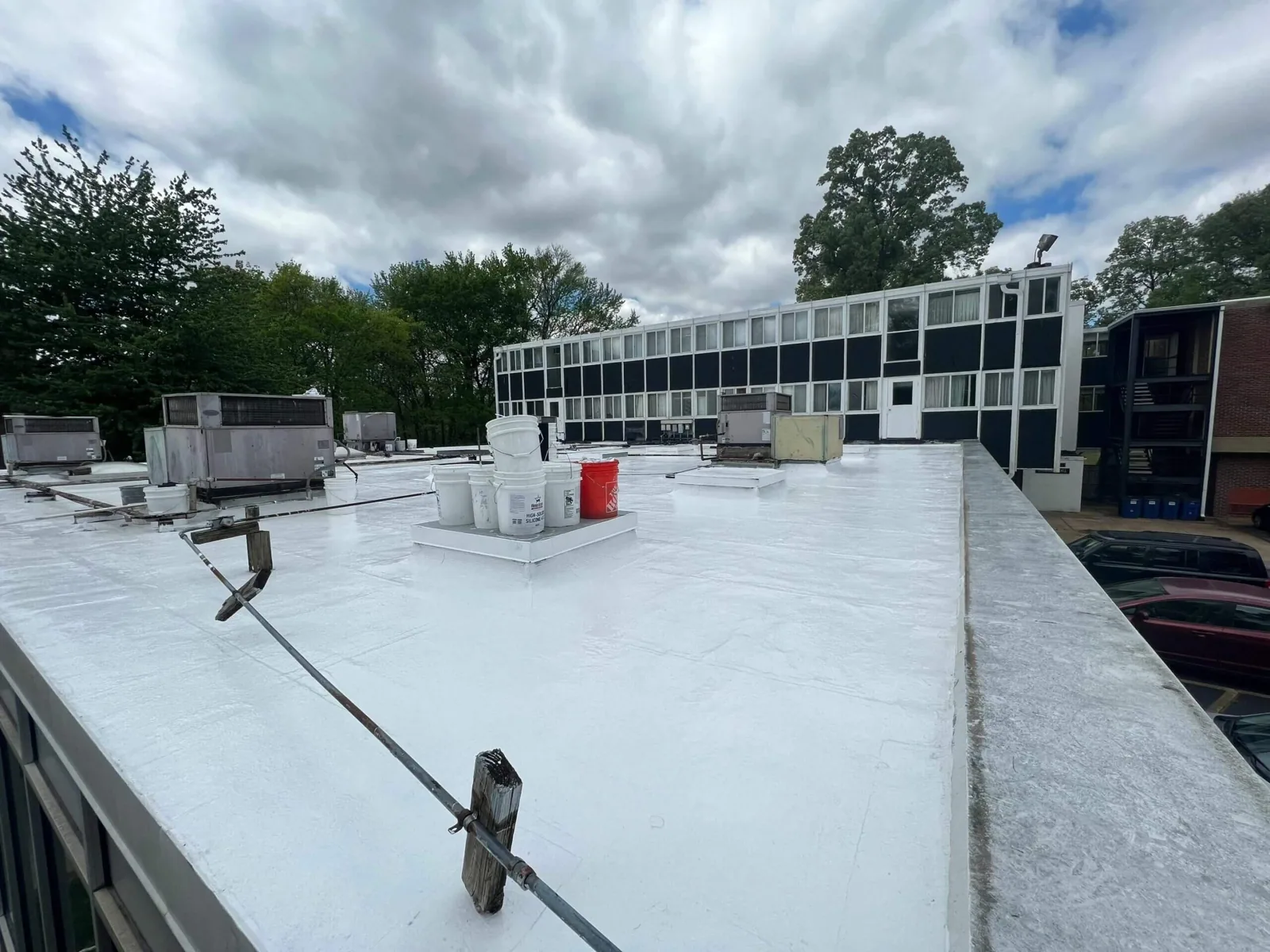
Occupied Building Reroofing
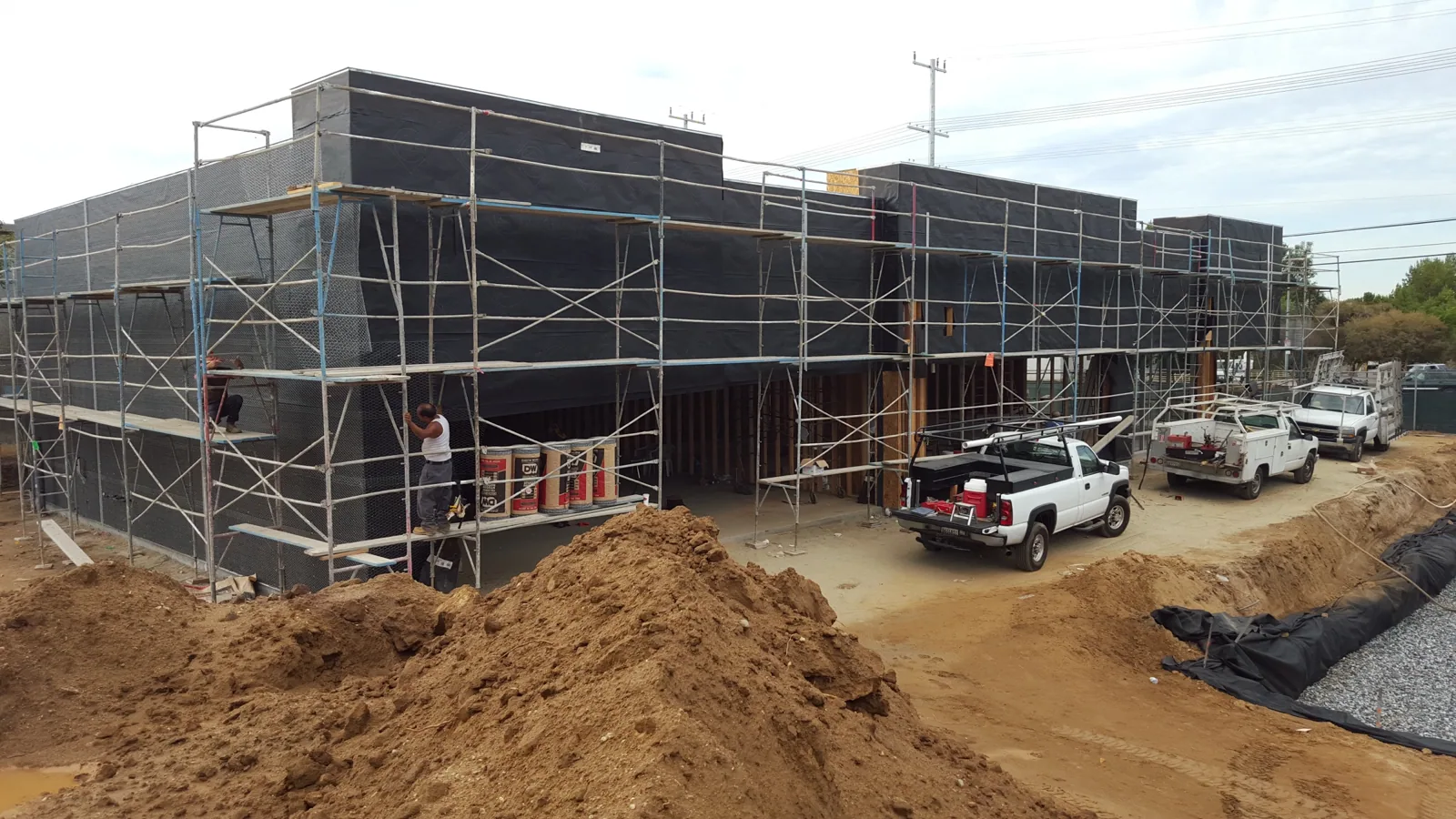
Roof Capital Planning
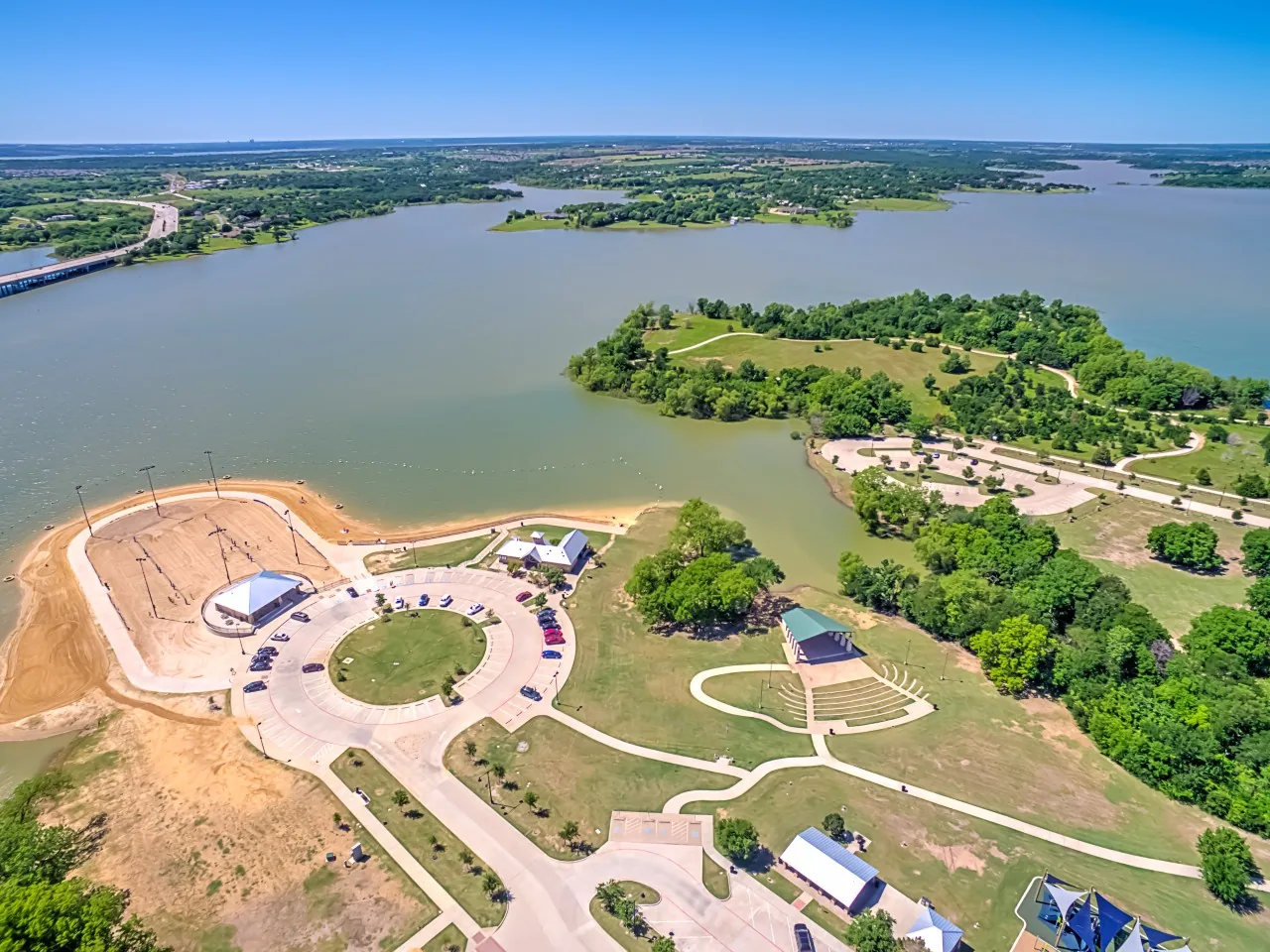
Old Town
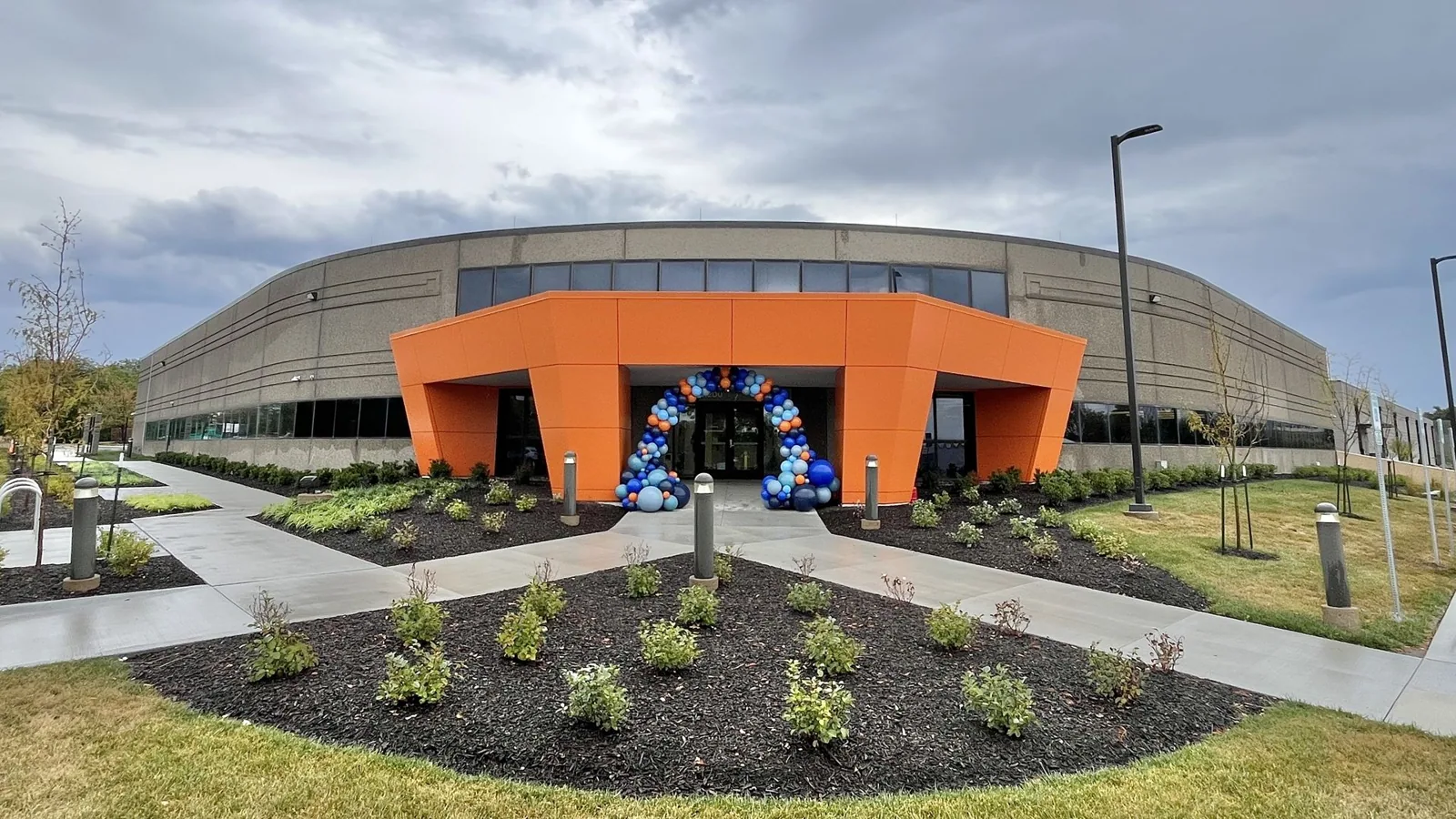
School Roofing
Request a municipal roof condition record
Schedule a roof inspection with dated photos, zone-specific findings, and a repair, recover, or replacement scope aligned with your access and procurement requirements.
