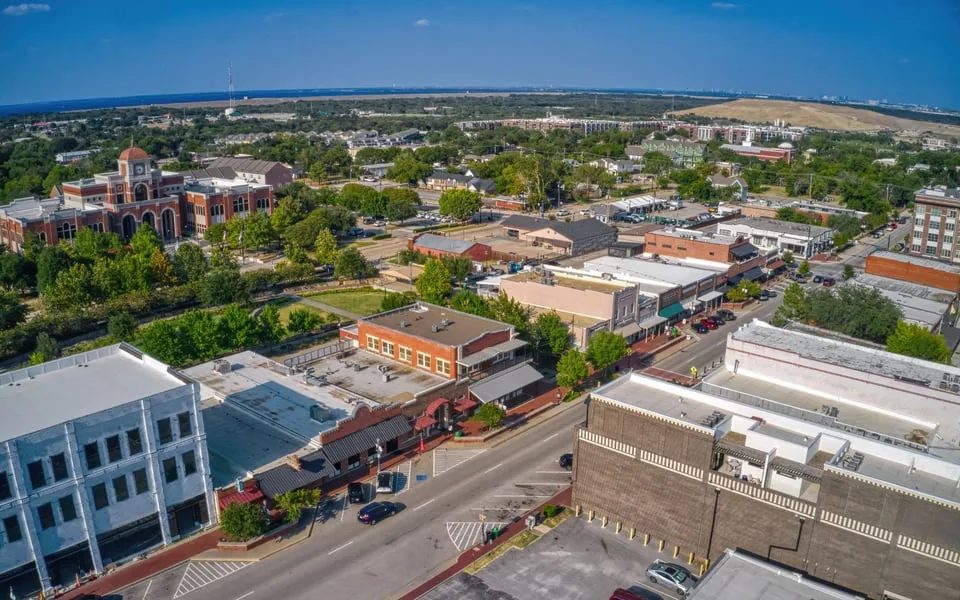
School Roofing in Lewisville, TX
Home // Property Types We Roof //
Overview
School Roofing in Lewisville
The academic calendar is the constraint that decides a school roof scope, and it has two edges. Summer break is long enough for a replacement but short enough that a late start can push finished work into the first week of classes. Spring, when severe storms peak in North Texas, falls in the middle of the school year, when a leak over a classroom or gym is felt at once. For a district facilities lead in Lewisville, TX, the inspection pass begins with both dates on the same page as the roof plan.
What the pass establishes is which buildings can wait for summer, which need a repair now and which carry a risk big enough to justify a change of schedule.
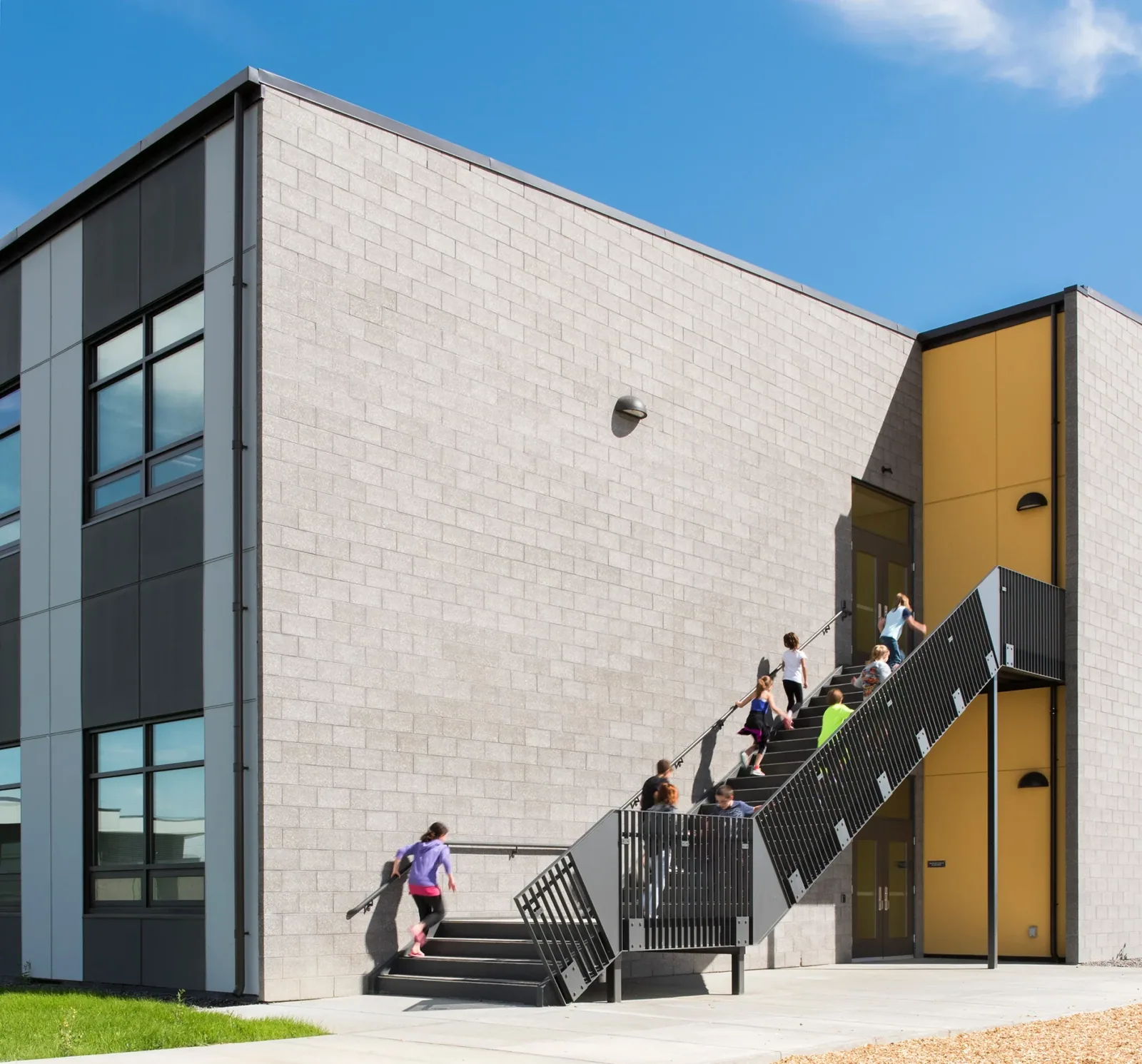
Work window: summer, weekends and the first week back
A school roof job has three usable windows. Summer break takes the large work. Weekends and holidays take short repairs that cannot wait. Mid-session weekdays are for work that never touches an occupied zone, such as perimeter edge metal or a roof section over an unused wing. The access log lists each window, the zones available in it and the person who confirms that students and staff are clear.
The long summer in North Texas also affects crews. Hot summers cut into the work: July and August afternoons average near 96 degrees at the regional airport, and about twenty days a year reach 100, so heat limits the hours that membranes can be handled and workers can stay on a roof. Early starts and midday stand-downs are written into the schedule.
Late deliveries are the schedule's worst enemy. Membrane, insulation and edge metal are ordered against the start date, and the plan states which materials gate which zones, so a shortage of one product delays one zone and not the whole campus. A fallback sequence is written into the schedule before the break begins.
Student safety: access, staging and background checks
On a campus, the roof plan is also a safety plan. Staging goes where students and buses do not. Lifts, material drops and trash chutes sit behind fencing, with spotters at crossings. Crew members who may be on campus during school hours follow the district's visitor and background procedures, and the access log records badges issued and returned.
Noise and fumes matter in the same way. Tear-off and fastening are scheduled away from testing weeks and assemblies, and adhesives or hot work wait for hours when the building is empty. Air intakes are covered before any work above an occupied wing, and the plan states when covers go on and come off.
Fire and egress rules apply on the roof as much as inside. Hot work needs a permit and a fire watch, rooftop hatches and ladders stay clear for emergency access, and the crew knows the campus evacuation routes and assembly points. The plan lists the contact at the front office for the day, so a radio call reaches a person and not a voicemail.
Roof zones: gyms, cafeterias, classrooms and additions
School buildings grow by addition, so one campus can hold several roof ages and several systems: a flat membrane over a classroom wing, a metal roof over a gym, a different membrane over a cafeteria. We number each roof zone, pull a core in each and record the layers, the age and the moisture condition. Low-slope roofs over gyms and cafeterias often carry the heaviest equipment, and their curbs and flashings get the closest look.
Edges and walls matter as well. Parapet caps, coping joints and wall flashings on older wings can leak behind the membrane. These are photographed in sequence and logged by zone so the district sees which additions are closest to replacement. A modified bitumen roof and a TPO roof on the same campus get different repair methods.
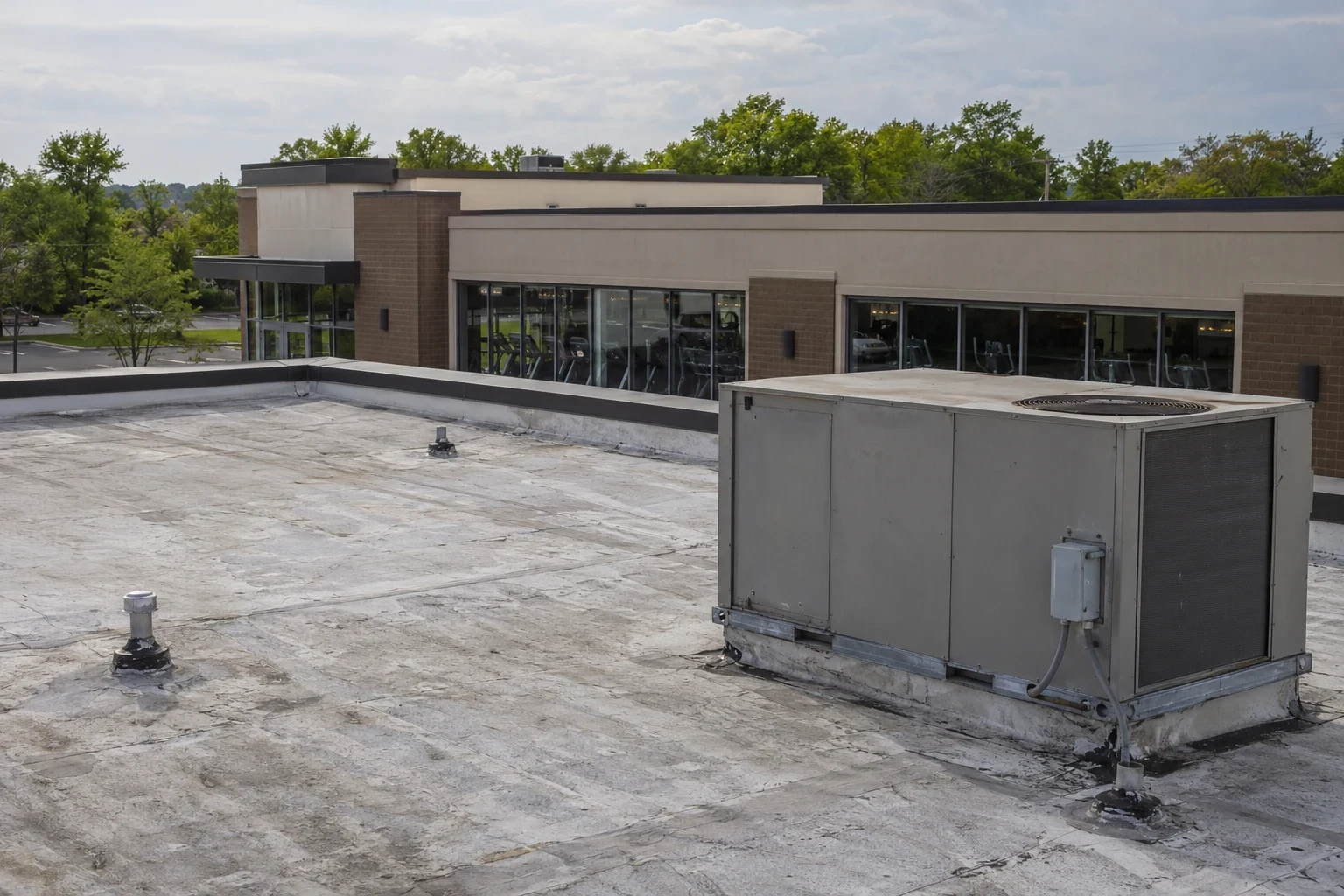
Rooftop equipment on schools is often older than the roof under it. Units replaced in stages leave mismatched curbs, and drainage paths run beneath sleepers that were never meant to carry pipe. Each unit is numbered on the plan with its curb, flashing and support, and the finding notes whether the curb fits the unit now sitting on it.
Storm evidence: hail season and the school year
Severe thunderstorms peak in spring across the Metroplex, bringing hail, wind and flooding in most years, and a given campus may sit outside the path. A storm report therefore starts the inspection; it does not end it.
The next school day matters here: the walk is done before students return where possible, starting over classrooms and the gym. Each zone is photographed from the same positions as last time, so a fresh bruise stands apart from old wear, and the hail damage repair scope that follows rests on what the roof shows, which also gives the district a clean file for its insurer or its board.
Decision file: capital planning across a district
A district with many campuses cannot replace everything at once. The decision file ranks buildings by condition, moisture, remaining service life and risk to occupied space, and it pairs each rank with a likely budget year. A school district facilities team can use the ranked list to sequence summer projects and to justify them in writing.
Records also support public bidding. The scope, core results and photographs give every bidder the same information, which reduces change orders when the work begins.
Cost drivers are plain: roof area, penetration count, tear-off depth, the number of separate summer windows and the amount of rooftop equipment that must be lifted. The decision file prices these by line, so the district can see what a longer window or an earlier start would change.
Local context: campuses near Old Town and the corridors
Lewisville's planning describes mixed-use redevelopment around Old Town and a corridor overlay framework along I-35E. For a campus near either one, the roof plan notes what the neighbors share with it: drainage, access roads and sightlines for lifts.
The same method applies to a campus in Lake Dallas, Highland Village or Corinth. The scope comes from the building, and the local plans only hint at how crowded the approach roads may be.
Closeout packet: what the district keeps
In the packet the district finds a zone map, core and moisture results, product sheets, badge records from the access log, photographs of each finding and the next inspection date. A college or university building and a church can share its layout, so a mixed portfolio reads the same way across buildings.
Open items stay on the list by zone with the date each was last checked, so the district's next summer begins from a written starting point.
Warranty dates for any new membrane are recorded with the product data, along with the maintenance steps the manufacturer's terms require, so a missed inspection never voids coverage by accident.
Commercial Roofing Questions
Which school roofs should be replaced first?
Ranking comes from the core and moisture results, the remaining service life and the risk to occupied rooms below. The decision file lists the order with the reasons.
Can roof work happen while classes are in session?
Limited work can, away from occupied zones and with student-safe staging. Large work waits for summer.
How do crews handle campus security rules?
Badge and visitor procedures follow the district's rules, and the access log records who was on the roof and when.
What does the first walk after a hail report cover?
Classrooms and the gym come first, using the same photo positions as the last record, with moisture readings where the sheet is open.
Does the heat change summer scheduling?
Yes. Early starts and midday stand-downs keep crews safe and membranes workable, and the schedule shows the shortened hours.
Related
Related Roofing Work
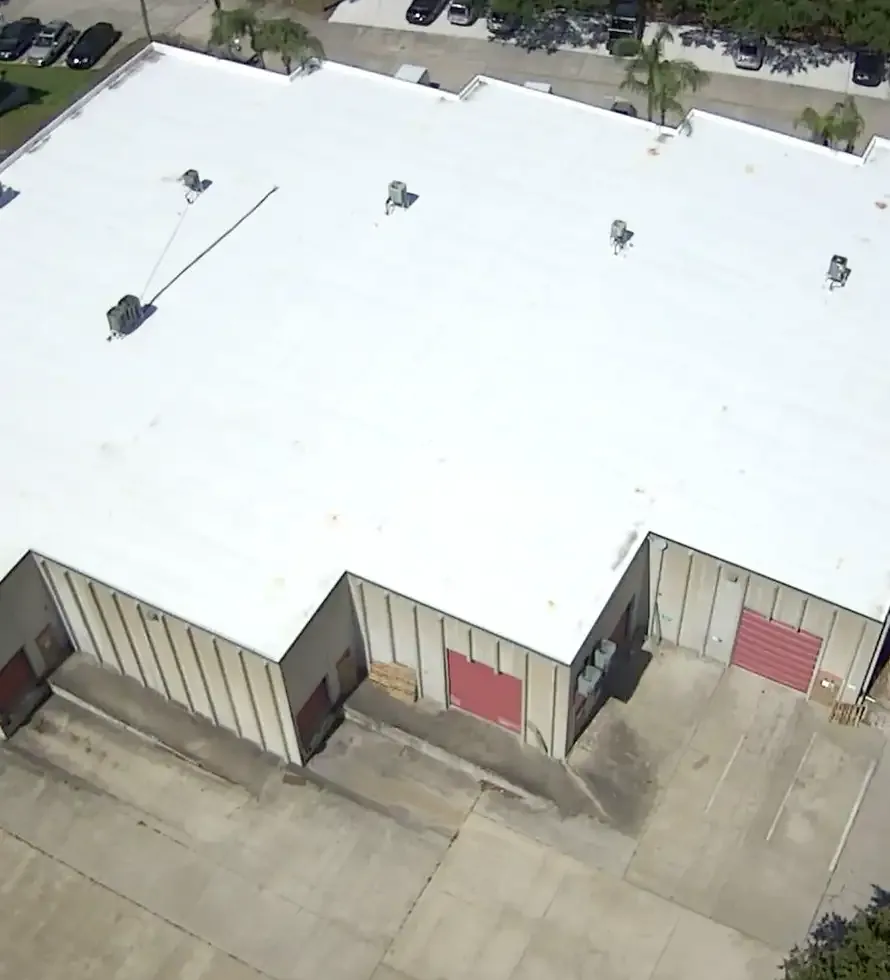
Modified Bitumen Roofing
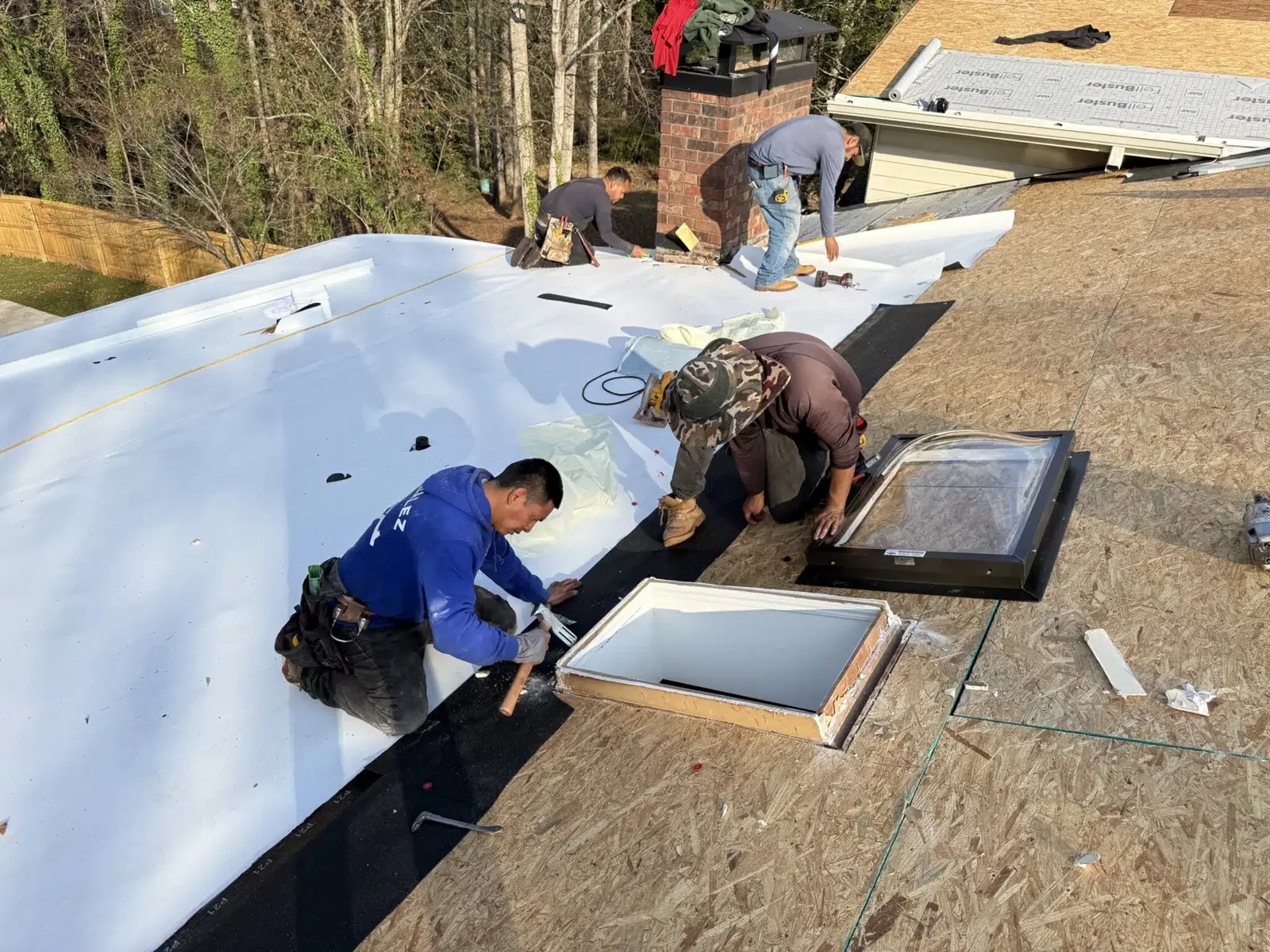
TPO Roofing
Hail Damage Roof Repair
School Districts

Old Town
College and University Roofing
Schedule a campus inspection
Send the campus roof plans and the summer calendar, then schedule an inspection to receive a dated condition record with photos, findings and recommended next steps by roof zone.