
College and University Roofing in Lewisville, TX
Home // Property Types We Roof //
Overview
College and University Roofing in Lewisville
A campus roof inventory with one line per building is the document a higher-education facilities office needs before it can plan anything, whether the campus sits in Lewisville, TX or a few towns away. Residence halls, lecture buildings, laboratories, libraries, athletic venues and central plants each carry different roofs of different ages, installed under different codes and edited by different contractors. The first inspection pass is therefore a census: building, roof zone, system, last repair, last moisture reading.
Only after the census does the question of what to repair, recover or replace make sense.
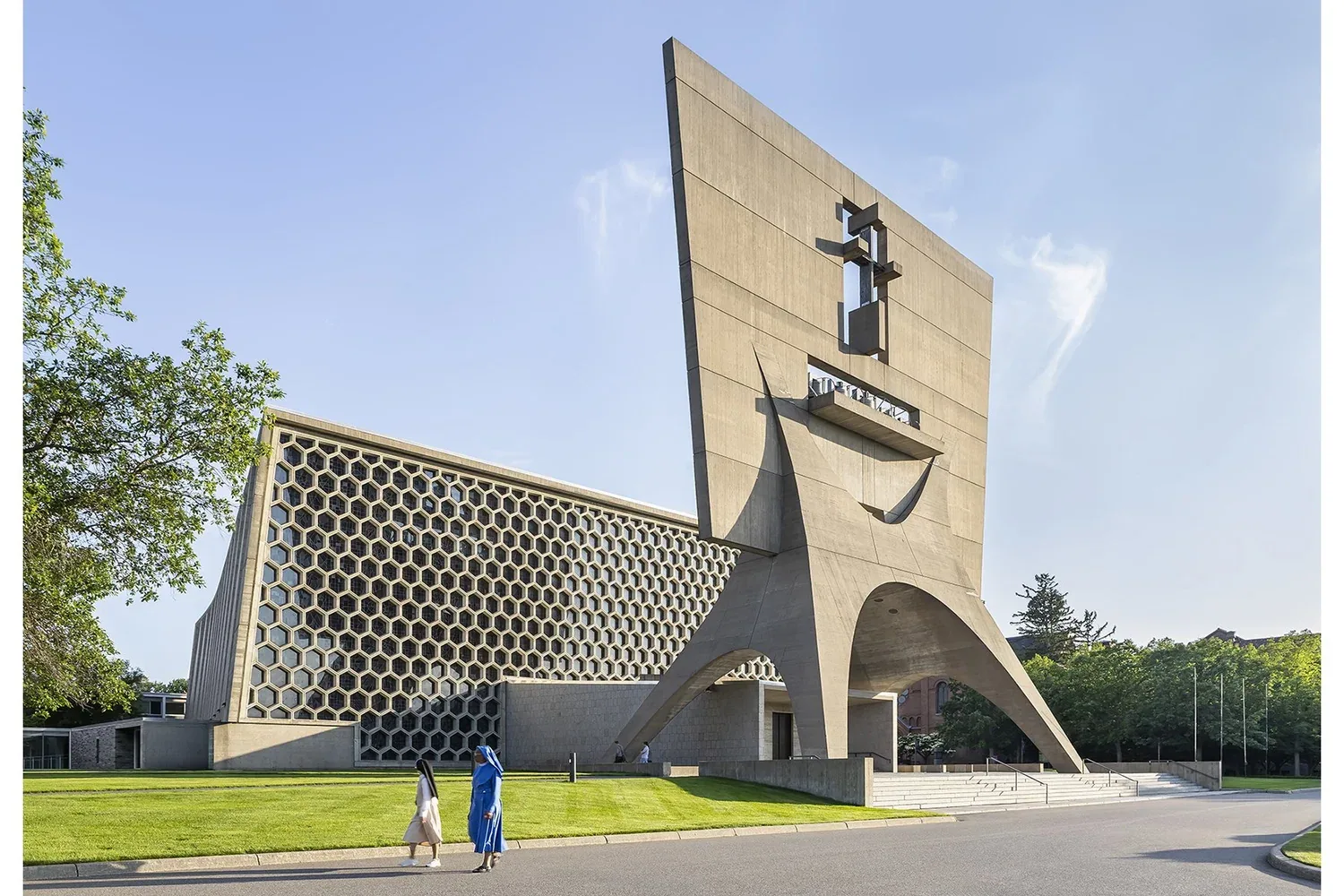
Inspection record: the campus roof census
We walk each roof, photograph each zone from a fixed position and pull cores where the owner permits. For every building the record states the roof system, its attachment, the approximate age if the drawings give it, the condition of flashings and drains and any moisture found. Buildings added in different decades are separated, since one roof section may be a different roof from the one beside it.
The census ranks buildings by condition and by what lies below: lecture rooms and offices rank lower than laboratories, archives and server closets. A facilities director can then take the ranked list to the budget meeting and explain what each rank means in plain terms.
Special-use buildings get extra lines. A stadium or arena roof spans long and carries lighting, speakers and camera positions. A library may hold collections that cannot tolerate a drip. A central plant has large penetrations and heavy equipment. Each is flagged in the census with what it houses, since the consequence of a leak sets how often the roof is looked at.
Research continuity: labs, exhaust and special rooms
Laboratories need their own entries in the record. Exhaust fans, fume hood stacks and make-up air units cluster on lab roofs, and the discharge from them can stain and soften membranes in a visible pattern. We list every unit that vents upward, ask the researchers or the safety office what each discharges and match the roof's staining to that list.
Work above a lab is sequenced with the department, not around it. The plan marks sensitive instruments, cold rooms and animal or cleanroom spaces, and it states which roof zones can be opened during a term, which only during a break and which require a shutdown that the department has to schedule months ahead. Occupied building reroofing on a campus is mostly a calendar problem.
Hood exhaust adds one more complication. Stacks are often tall and fitted with caps or fans, and their discharge can land on a neighboring roof section under the wrong wind. The plan notes prevailing wind directions on the discharge map, so a repair does not place a vulnerable membrane directly downwind of a stack.
Work window: term breaks, move-in and commencement
A campus has more calendar edges than a school district. Summer is long but busy with conferences, camps and move-in preparation. Winter break is short and cold. Commencement, homecoming and large athletic events close access routes and fill parking. For each window the access log names the open zones and the university contact who confirms the building below is clear.
Hot Texas summers shorten the roofing day. The regional airport averages about twenty days a year at 100 degrees or more, and July and August afternoons run near 96, so the plan builds in early starts and midday stand-downs. Membrane handling, adhesive cure and worker safety all follow the heat.
Weather still decides the day. If a storm cell approaches, the crew closes the open section, tests the temporary seal and records the time before leaving, whatever the campus calendar says.
Attachment detail: roofs from every decade
Older halls may carry steep-slope roofs with decorative edges, while newer academic buildings sit under low-slope membranes and metal. We do not assume a system from a building's looks or its age. A core and a drawing review establish the layers, and the repair method follows. Around parapets, clerestories, skylights and atrium glazing, flashing details are photographed and numbered, since these are the spots where a campus roof most often admits water.
Where a building has been added to, the junction between old and new roofs gets its own entry. A skylight and penetration flashing pass on a campus may cover dozens of units across a dozen roofs, and the plan numbers them in one continuous series so a repair can be traced to a building by its number.
Cost drivers on a campus are the number of buildings in a phase, the number of penetrations per roof, the tear-off depth and the number of separate calendar windows. A single large building done in one summer costs differently from six small ones done across three, and the scope prices both versions so the budget office can pick.
Storm evidence: hail across a spread-out campus
A hail report over a campus does not tell us which of forty roofs took damage. Sizes and angles differ, and shelter from neighboring buildings changes what each roof received. The pass therefore runs in priority order: newest membranes and most sensitive buildings first, then the rest, each shot from the positions used in the prior record.
Findings go into a roof condition report by building. Where damage is visible, moisture readings show whether it reaches insulation, and the dated record supports the university's own risk office in its conversation with insurers.
Roofs over residence halls get a separate note. Students occupy them at all hours, and a leak there has to be contained the same day, so those zones carry temporary protection supplies on site and a named contact for after-hours calls.
Local context: districts around Lewisville
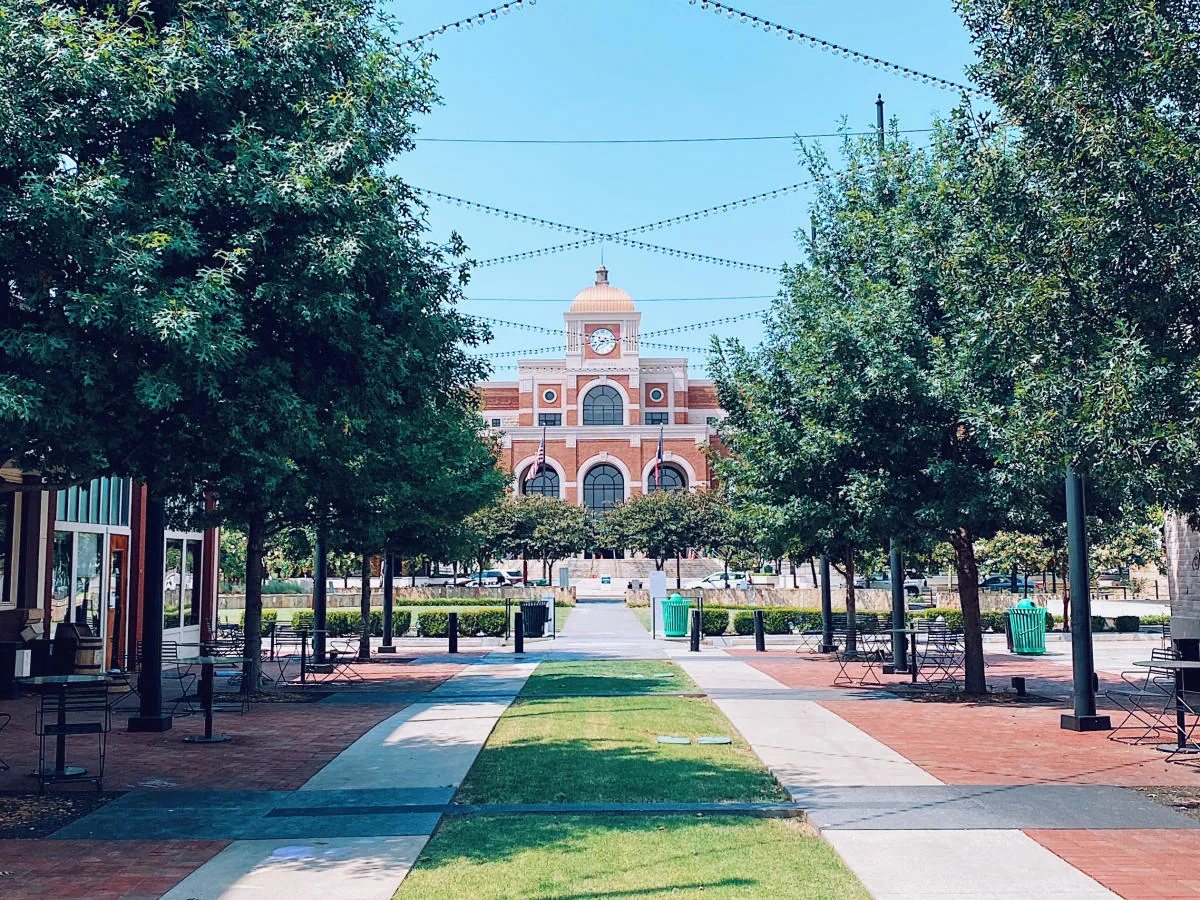
Old Town North is guided by an adopted small area plan, and the Central I-35E area, at the Business 121 junction, falls under a redevelopment overlay. City planning describes business locations in Old Town North connected to Lewisville and the North Texas region. Campus buildings in or near districts like these share roads, drainage and construction activity with their neighbors, and the access log notes it.
In Old Town North, where an adopted plan guides public and private investment, lift routes and staging space are confirmed at the start of every phase.
Closeout packet: the campus decision file
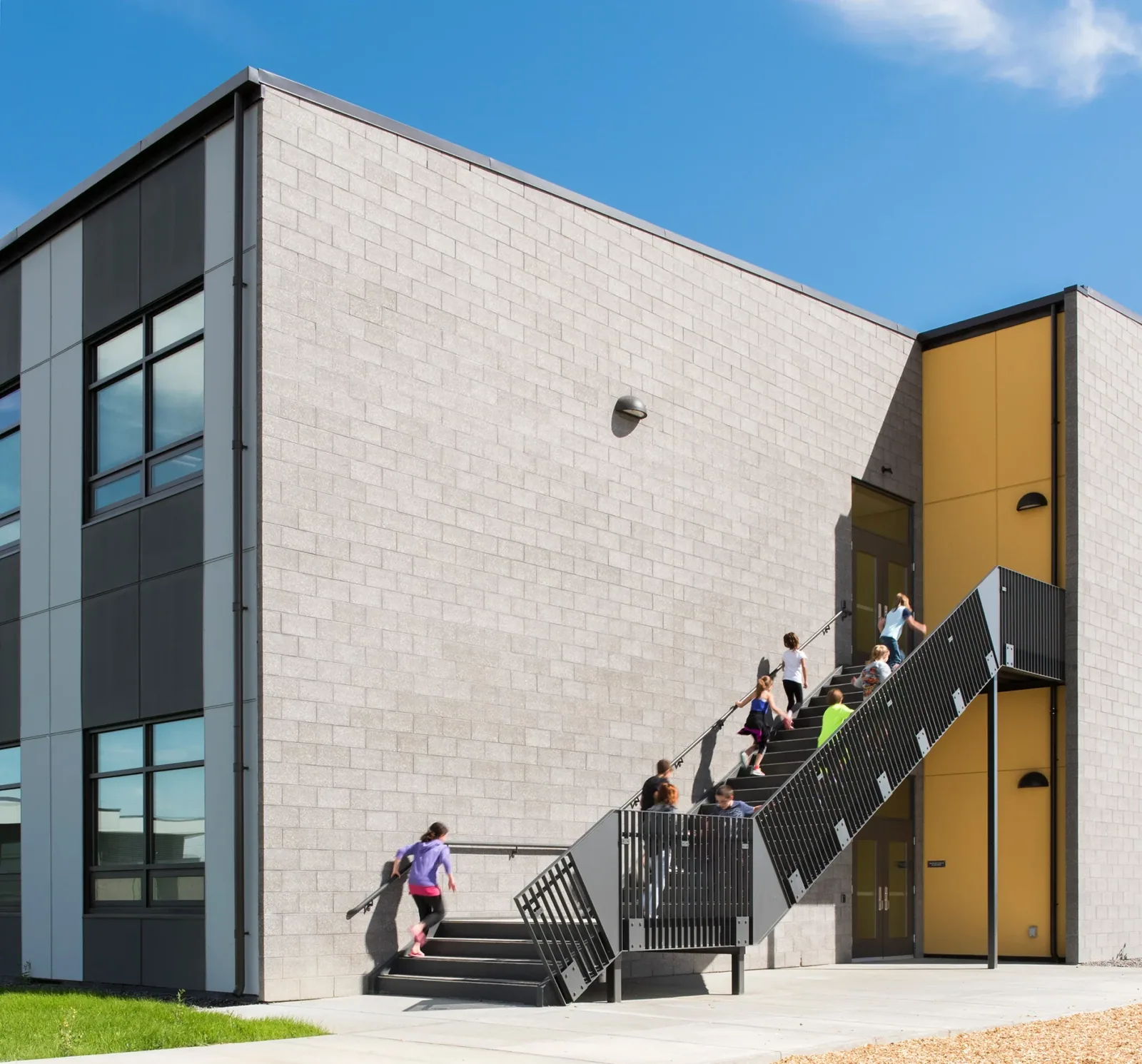
The packet holds the roof census, moisture readings, exhaust list, product sheets, access log and dated findings with photographs, plus the next inspection date. The same layout serves a school or a government building, so a facilities office that also manages other public buildings can read all of them in one format.
Open items stay in the packet by building with the date each was last checked, so the next break begins from a written list and not from memory.
Commercial Roofing Questions
How do you rank campus buildings for roof work?
By condition, moisture, remaining life and what lies below. Laboratories and archives rank above offices and lecture halls when conditions are equal.
Can lab roofs be worked during a term?
Sometimes, if the department agrees and sensitive instruments are protected. Many zones wait for a break, and the plan says.
How does lab exhaust affect roof materials?
Discharge can stain or soften some membranes, so we list each venting unit and choose a compatible system and cleaning method.
What does a hail report change on a spread-out campus?
It sets the inspection order: newest membranes and most sensitive buildings first, then the rest, each shot from the positions used in the prior record.
What is in the final file?
The roof census, readings, exhaust list, product sheets, access log, photographs and next inspection date.
Related
Related Roofing Work
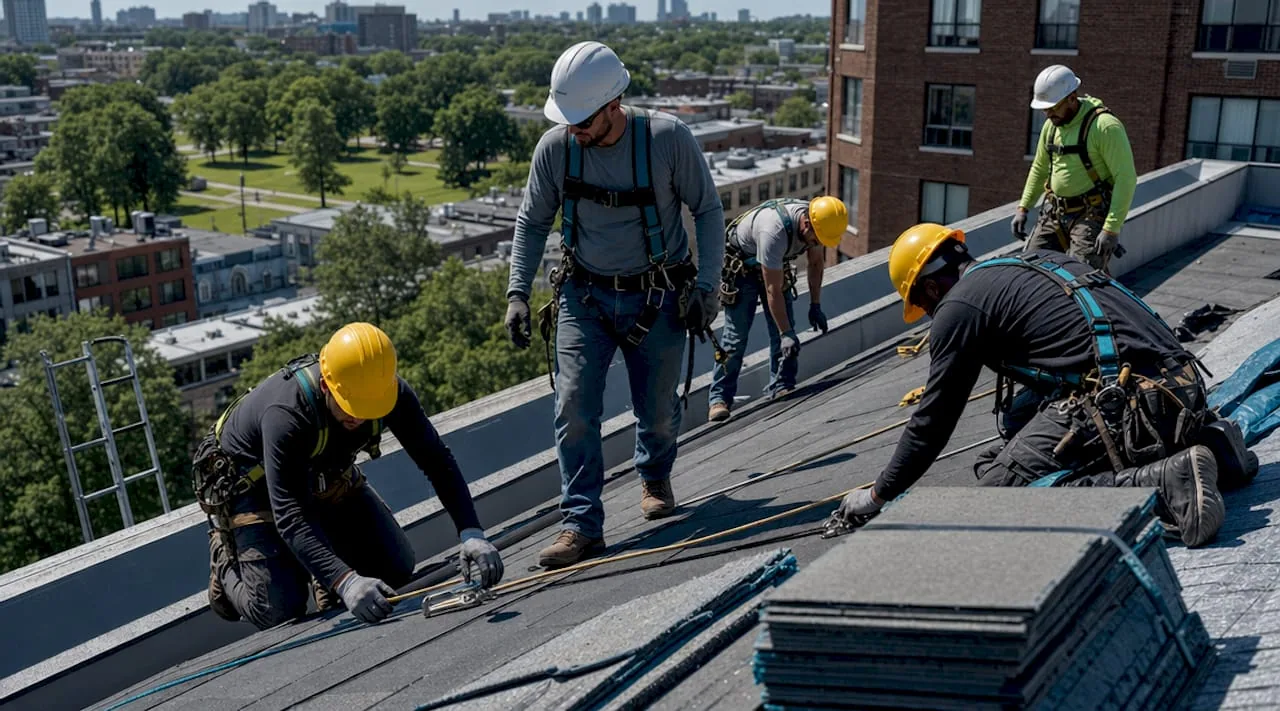
Occupied Building Reroofing
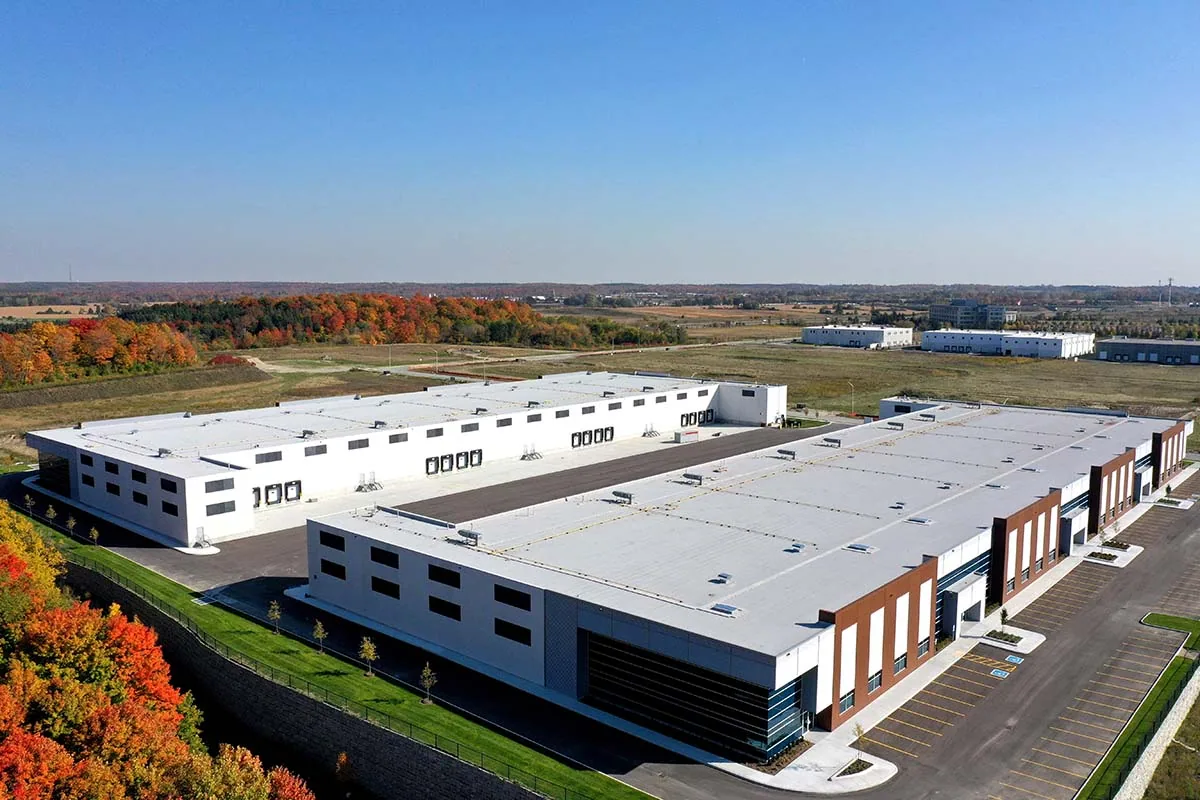
Skylight and Penetration Flashing
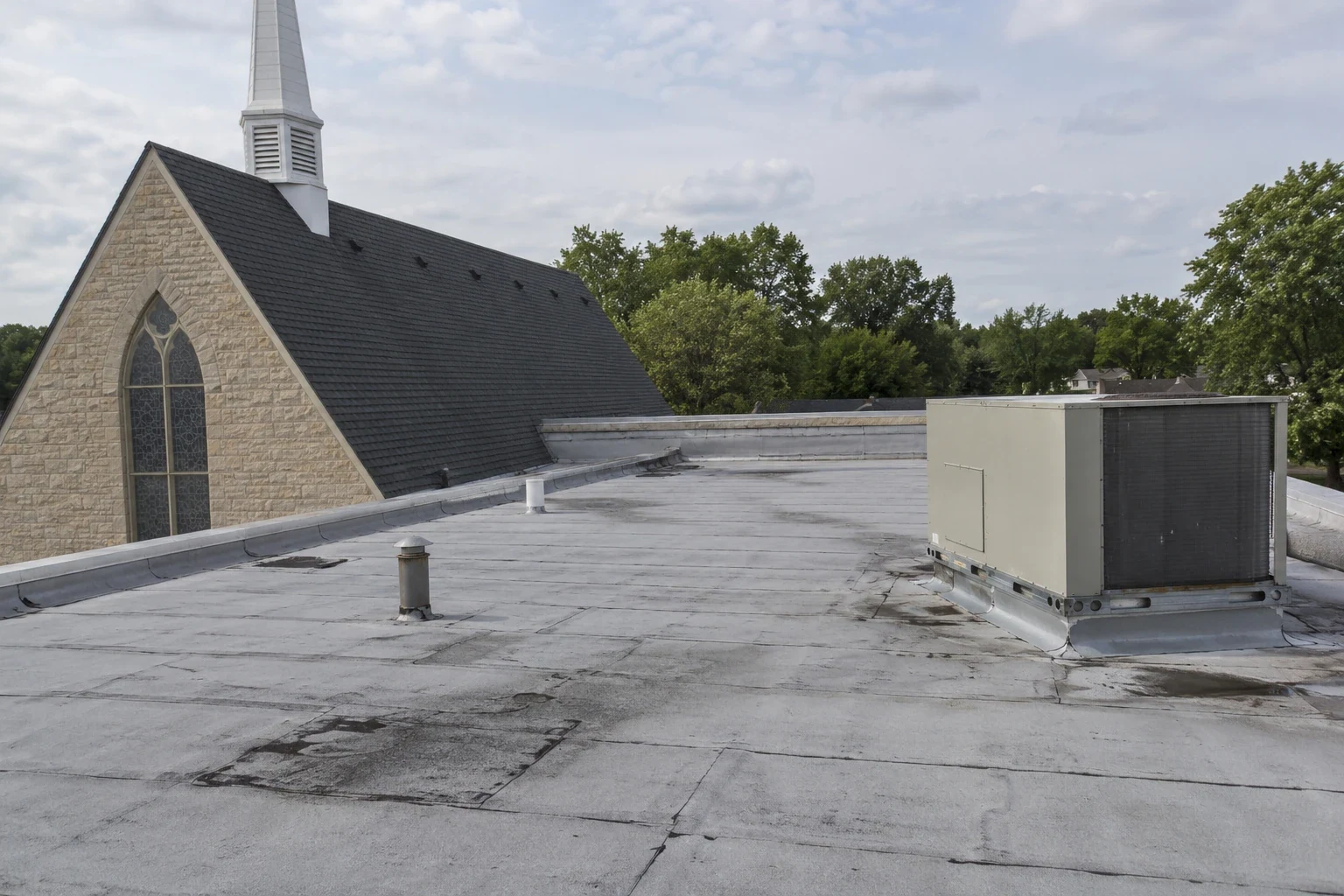
Roof Condition Reports
Old Town North
School Roofing
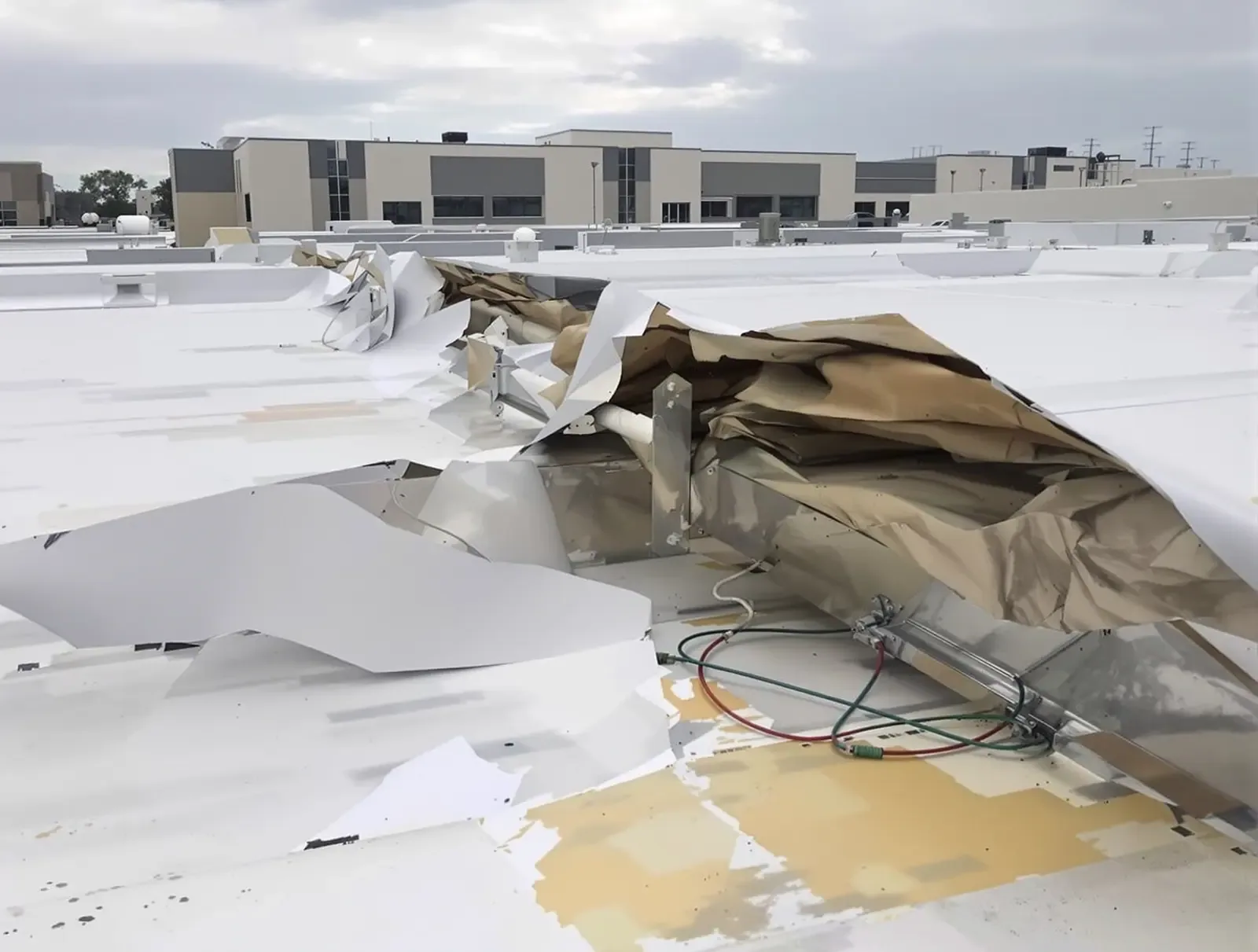
Government Building Roofing
Schedule a campus roof census
Send the building list and any past roof reports, then schedule an inspection to receive a dated condition record with photos, findings and recommended next steps by building.
