
Grocery Store Roofing in Lewisville, TX
Home // Property Types We Roof //
Overview
Grocery Store Roofing in Lewisville
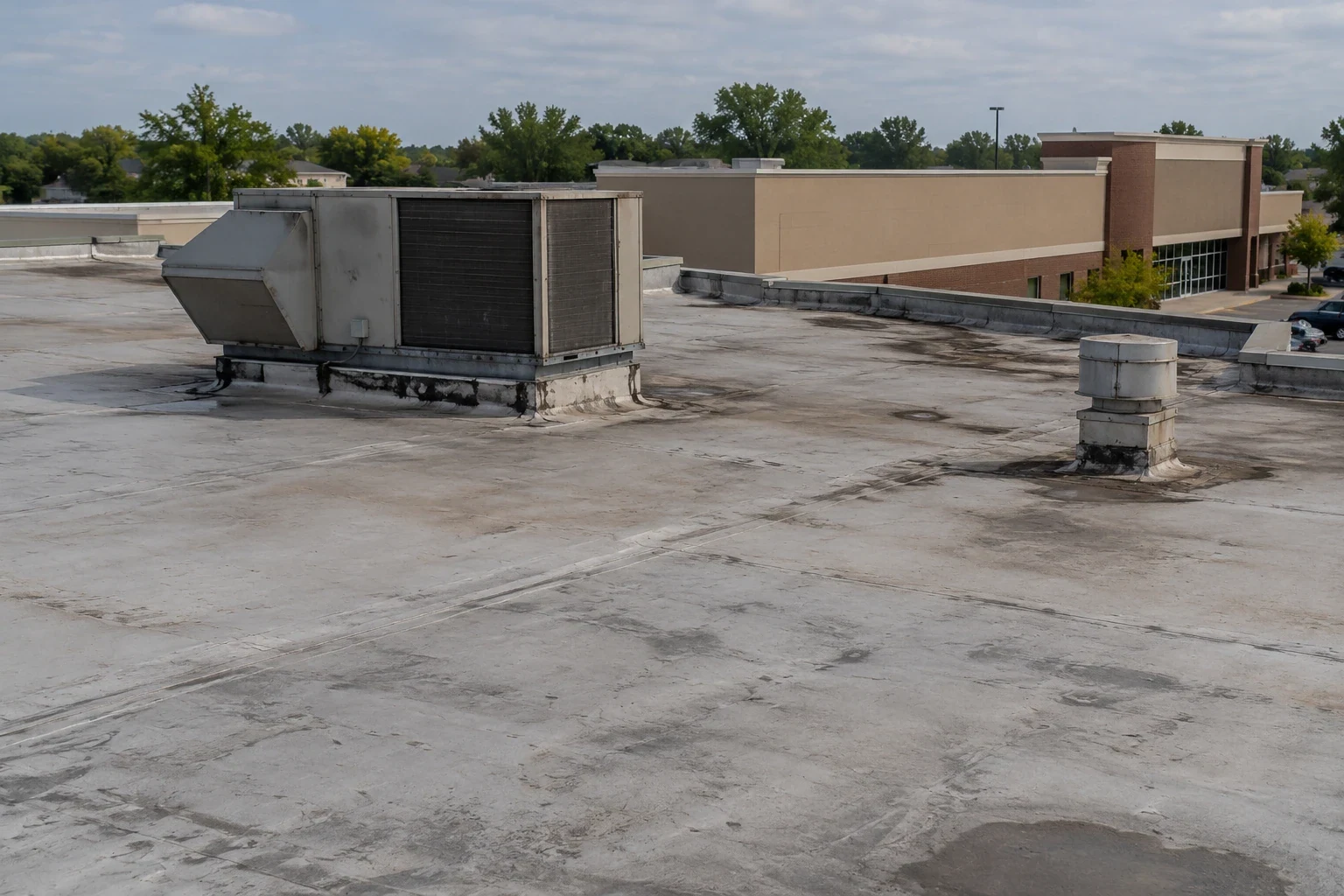
Refrigeration lines crossing the roof deck are the detail that sets a grocery store roof apart, and they should be the first thing counted. Condensers, compressors and the pipe runs that link them to the cold cases below sit on or near the roof, and each line passes through the membrane somewhere. In a Lewisville, TX store, the inspection pass lists every one of those penetrations with its seal, its support and its history, before it looks at a single seam in the field.
The reason is simple. A leak over a cooler or a produce display ends in lost product, and the record has to show where water can enter before the store can decide how fast to move.
Local context: grocery on the corridors
The Colony describes mixed-use projects with office, retail, hotel and residential uses along SH 121, Castle Hills plans dining, retail and multifamily development along the same highway and Lewisville's own materials point to retail activity at the Eastern Gateway. A store on any of these routes shares access lanes and lift locations with its neighbors.
For a store off the Northern Gateway or along I-35E, the scope begins with the structure itself, reading drawings, coring selected sections and walking with the store manager. Plans say where the area is growing; the roof tells us what is overhead.
Refrigeration plant: condensers, lines and supports
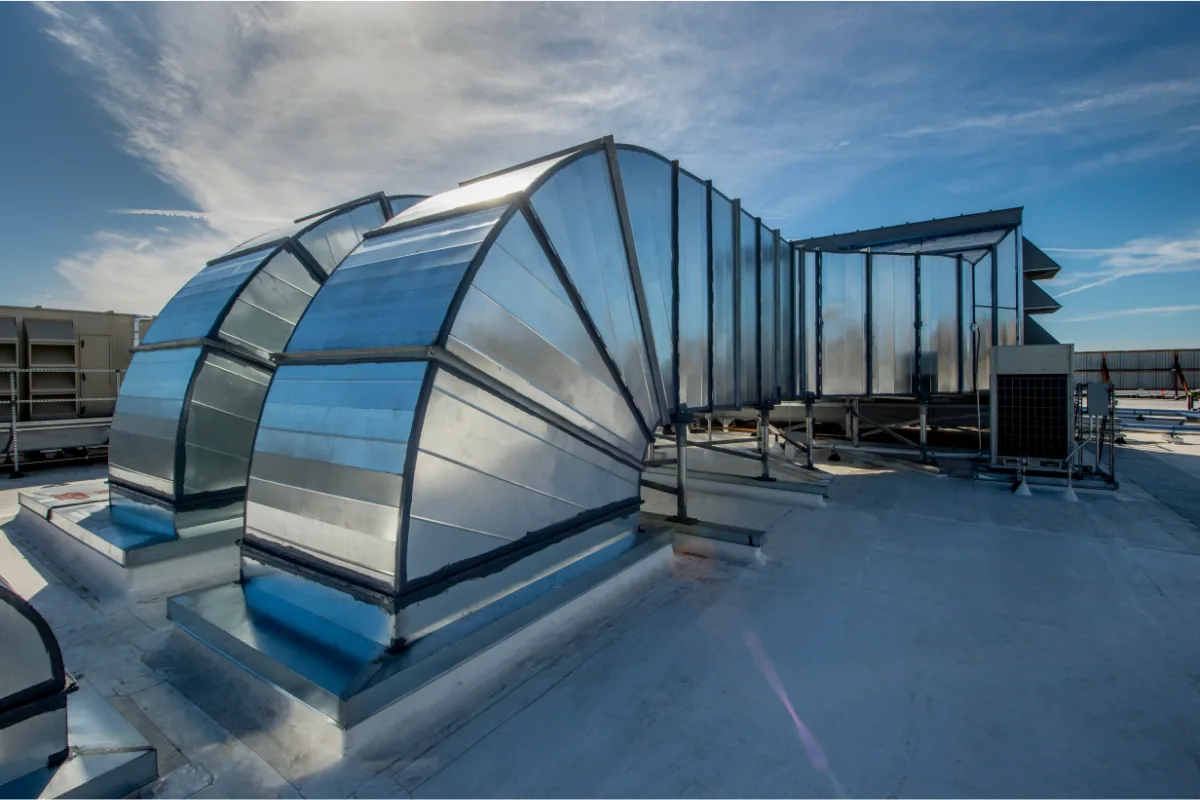
Rooftop condensers shed heat and sometimes water. Their pipe runs ride on supports that rub the membrane, and their vibration works flashings loose. We number each unit, photograph its curb and lines and mark every pipe support that rests on bare sheet. Supports that have worn through are replaced with protected ones that spread the load.
Any shutdown of refrigeration plant is the store's call, never ours. We request windows through the store's refrigeration contractor, and the access log records each request and each approval. Rooftop equipment curbs and supports repairs are timed with those windows so a unit is shut down once, not twice.
Water from the plant itself is a separate finding. Condenser drain lines, defrost drains and cooling-water discharge can wet the membrane in a steady pattern, and that wear gets mistaken for weather. We trace each wet patch to its source and reroute discharge to a drain, so the roof stops absorbing water it was never meant to take.
Food safety: fresh-air intakes, fumes and dust
A grocery store's air handling pulls from the roof, so odors from adhesives, hot work or tar can reach the sales floor and the bakery. The plan lists each fresh-air intake, covers it before any odor-producing work and states the hours the cover stays on. Dust control matters just as much: tear-off sheds grit that can fall through an open penetration into food areas, so each penetration is sealed during work above it.
The store's food-safety lead reviews the plan before the first day. Open sections over produce, bakery, deli and dairy are the last to be uncovered and the first to be dried in, and the daily note lists what was open and when it was closed.
The daily note also records the weather watched and the time every opening was sealed.
Roof zones: sales floor, stockroom, docks and cases
We divide the roof by what sits below. The sales floor and the stockroom are different tiers, as are the loading dock, the cooler boxes and the offices. A drip over a dry stockroom is a repair item. A drip over an open display case is an urgent one.
The zones are numbered and graded on the plan. Each finding carries its zone number, a clear image and a date. Cores confirm the layers and moisture condition at chosen points, and a moisture reading shows whether insulation is dry. Where the insulation is wet over refrigerated space, the repair also looks at vapor control, since condensation can mimic a roof leak.
Special rooms need special notes. A bakery with ovens, a deli with fryers and a produce room with misters each put steam, grease or humidity on the deck above, and the finding records which one is the likely source of staining or condensation before a repair is assigned to the roof.
Storm evidence: hail on a store that stays open
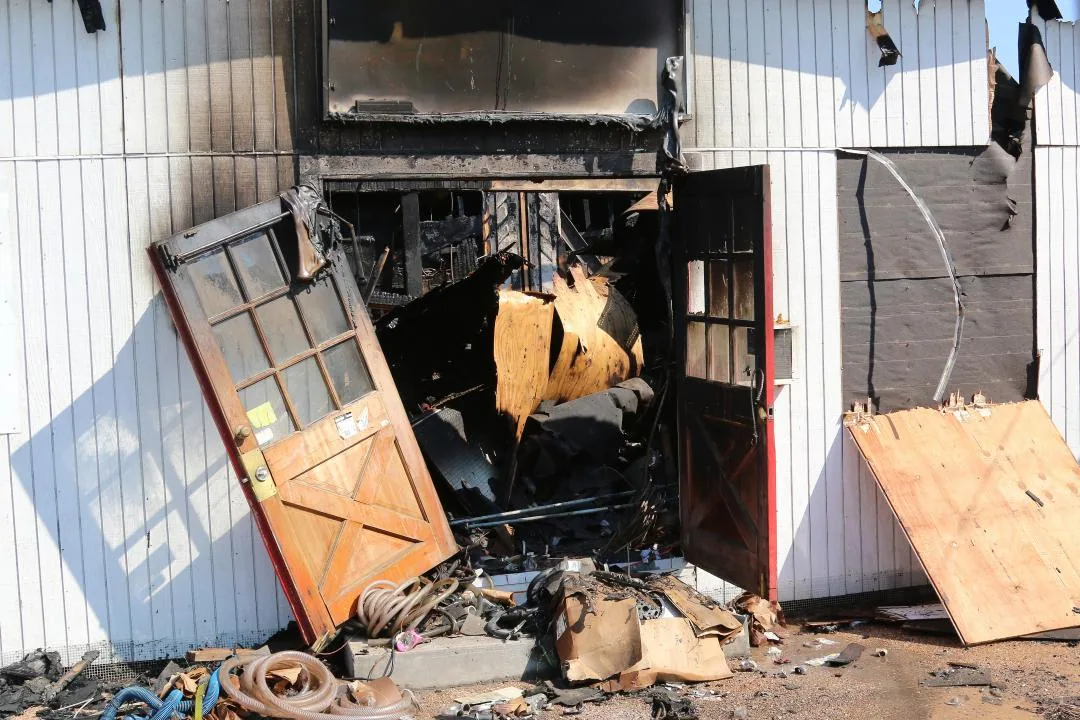
Severe thunderstorms peak in spring across the Metroplex, and hail, damaging wind and flooding arrive in most years, though a given site can be spared. A store cannot close to wait for an adjuster, so the first pass after a report goes over the zones above food first, then the rest.
Photographs are taken from the same positions as the prior record. New bruises, displaced fasteners and open seams are marked and dated, and moisture readings show whether insulation is wet. A hail damage repair scope follows what the roof shows, which also supports any insurance file.
Debris from rooftop signage, screens and light poles is checked as well, since a storm that moves a loose panel can leave a puncture nowhere near the hail pattern.
Work window: overnight shifts and quiet mornings
Grocery stores are busiest in the late afternoon and on weekends, and quietest overnight. Roof work over sales areas favors the early morning hours, with staging that does not block deliveries. The access log lists delivery times, stocking crews and any overnight cleaners, and the plan adds quiet periods around them.
Heat narrows the day further. Summer afternoons that reach triple digits on about twenty days a year push work toward dawn, so summer work starts early and membrane handling stops when surface temperatures climb. The occupied building reroofing plan states the stop conditions and the daily dry-in routine.
Repair or replace is decided from the readings. Dry insulation with isolated failures supports repair of the affected zones. Wet insulation across a zone supports replacing that zone, phased around the store's calendar, and each path is priced with its disruption and records.
Cost drivers are plain: refrigeration lines to lift and reset, penetration count, tear-off depth and the overnight hours the store allows. The scope prices each separately, and the decision file keeps the reasoning.
Closeout packet: the store's roof record
The packet holds the zone grades, the penetration list, moisture readings, product sheets, the access log and dated photographs. A big-box store or a restaurant in the same portfolio uses the same layout, and a date for the next walk is set before the crew leaves.
Stores in a chain can feed these packets into a regional program, with the same layout for every location, so the first page of each packet reads the same way and the open items can be sorted across stores.
Commercial Roofing Questions
Why count refrigeration lines before inspecting the membrane?
Because each line is a penetration over a cold case or cooler. The seals and supports are where a leak starts, and they decide the priority of the whole job.
How are odors kept from the sales floor?
Fresh-air intakes are covered before odor-producing work, and the covers stay on for hours the plan states. Low-odor methods are chosen where the roof allows.
Who decides when refrigeration plant can be shut down?
The store and its refrigeration contractor. We request windows and log each approval; our crew does not touch controls.
Can the roof be worked while the store is open?
Usually, in sections that are dried in each day, with protection below sales areas and intakes covered.
What happens first after a hail report?
A pass over the zones above food first, with dated photographs and moisture readings compared with the last record.
Related
Related Roofing Work
Northern Gateway
Rooftop Equipment Curbs and Supports
Hail Damage Roof Repair
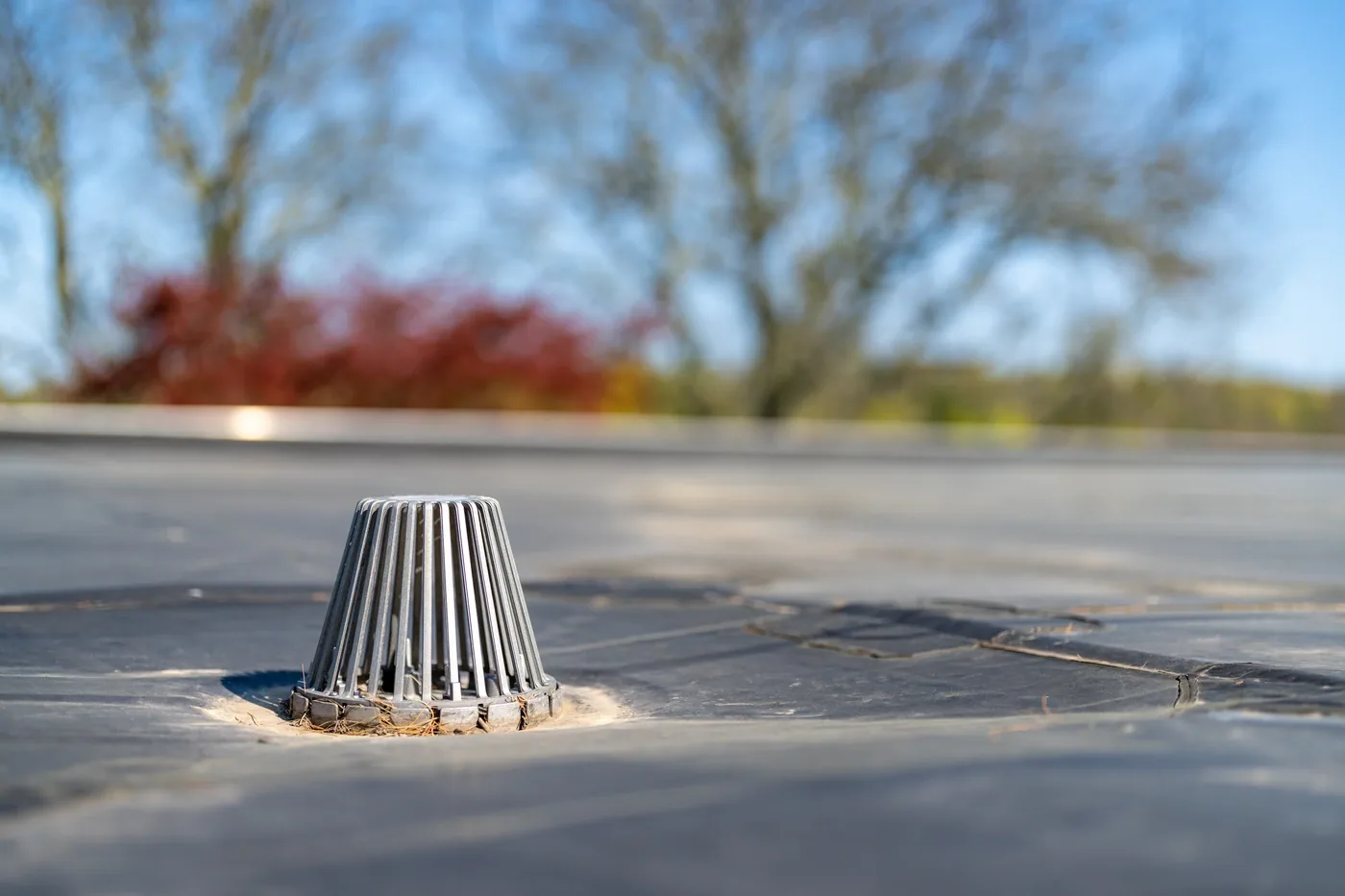
Occupied Building Reroofing
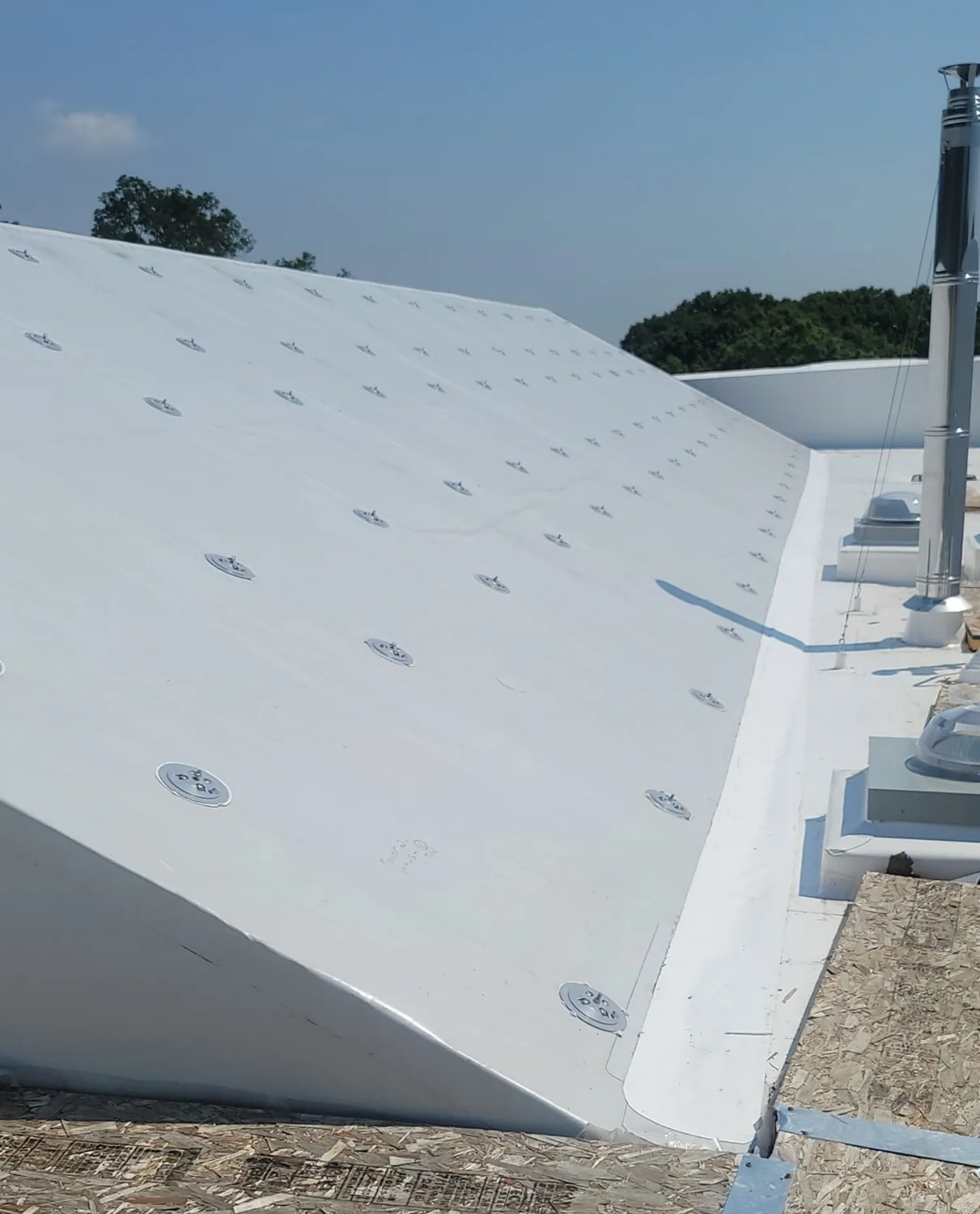
Big-Box Retail Roofing
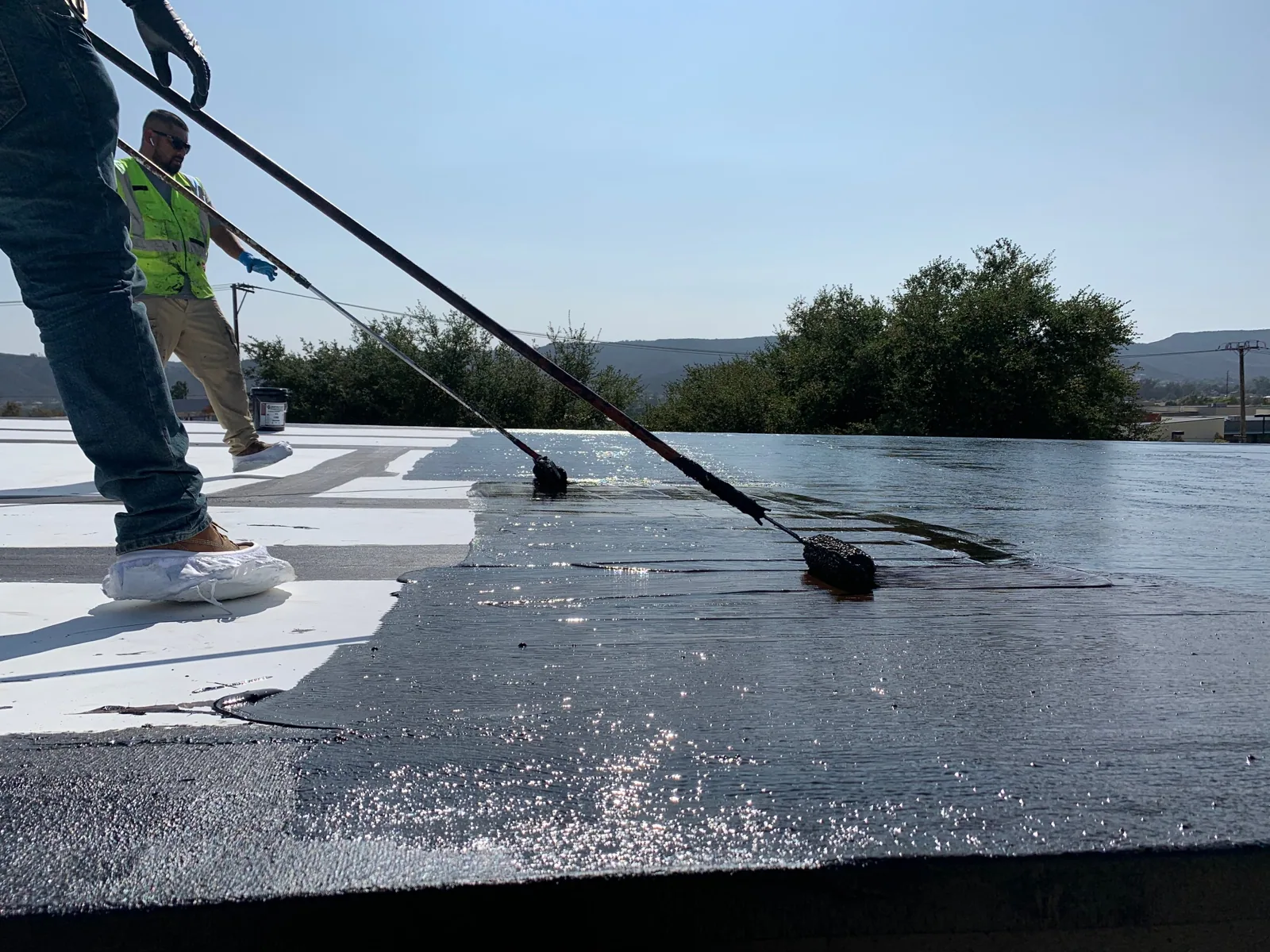
Restaurant Roofing
Schedule an inspection pass
Send the roof plan and the refrigeration contractor's contact, then schedule an inspection to receive a dated condition record with photos, findings and recommended next steps.
