
Shopping Center Roofing in Lewisville, TX
Home // Property Types We Roof //
Overview
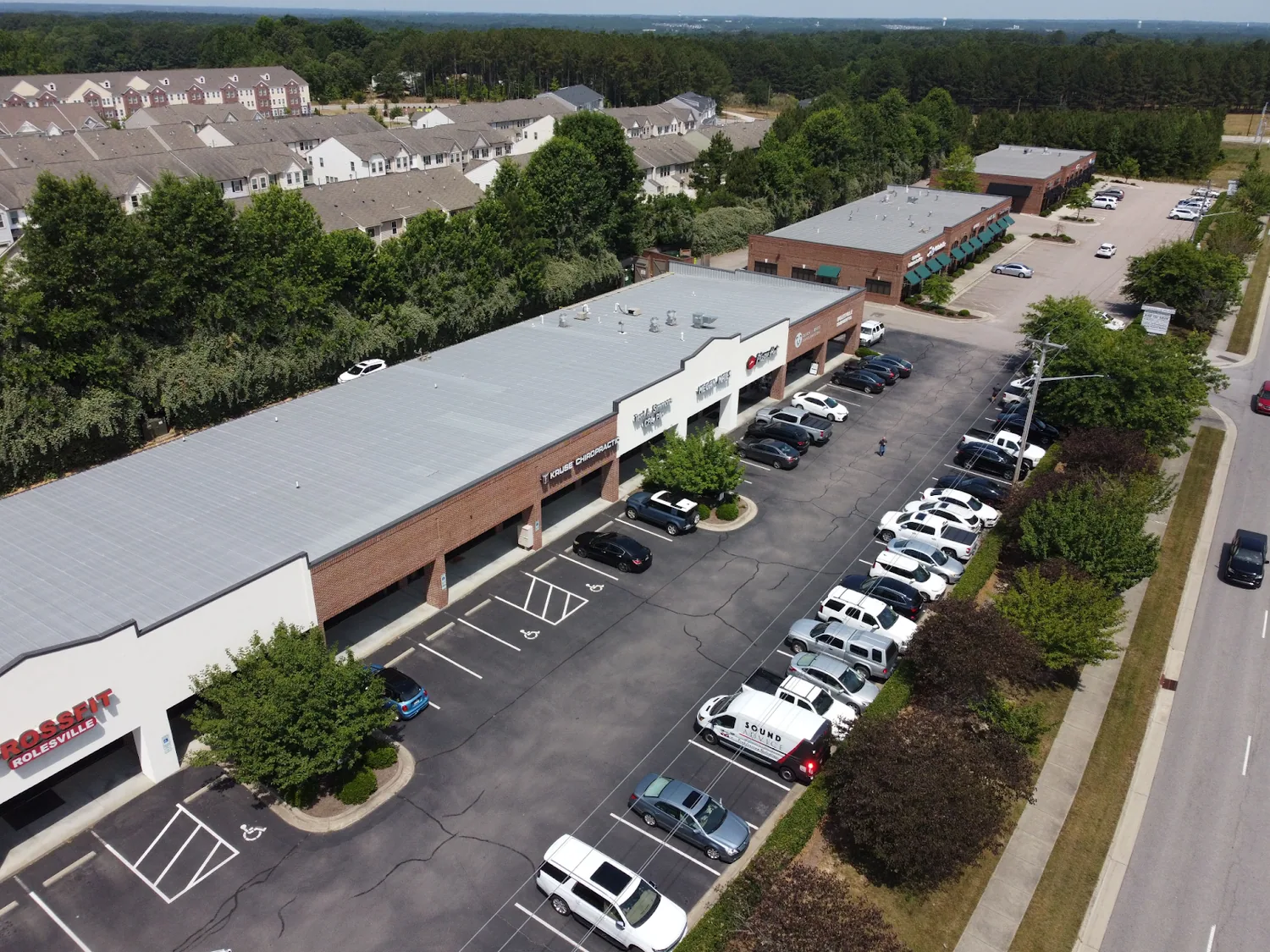
Shopping Center Roofing in Lewisville
A lease exhibit that says who owns which part of the roof is the document that keeps a strip center repair from turning into a dispute. In a shopping center in Lewisville, TX one continuous roof often covers a dozen tenants, and the penetrations on it belong to different people: a restaurant's exhaust fan, a clinic's HVAC unit, a salon's vent stack. The inspection pass begins with that exhibit and the roof plan side by side, so each finding can be tied to a tenant, a unit and a responsible party.
When a leak appears above suite 140, the record shows whether the cause is the landlord's membrane or a tenant's equipment curb.
Local context: retail along the corridors
Lewisville planning identifies retail alongside commercial, industrial park and mixed-use areas, and the Eastern Gateway at the SH 121 entrance carries retail, industrial and higher-density development. Castle Hills plans Crown Centre as office, retail, dining and multifamily development along SH 121, and the city has an adopted plan for the 8.4-mile Business 121 corridor. Highland Village lists retail and office along FM 407 and FM 2499 among its corridor redevelopment opportunities.
These plans show where retail space is expected. They do not say what any strip's roof is made of, so the scope starts from the building, with a core in each section and a drawing review.
Older centers and newer mixed-use projects get different questions. A center inside a planned development may share drainage, signage and façade standards with its neighbors, while a freestanding strip on an arterial road manages its own lot. The record notes which situation applies, since shared drainage means a clogged scupper next door can pond water on your roof.
Work window: shoppers, deliveries and the holiday blackout
A shopping center cannot close its doors, and the busiest weeks are the ones landlords least want a lift in the parking lot. The access log lists the calendar: the holiday blackout, tenants with early deliveries, grand openings and any large tenant with its own rules. Heavy work is scheduled in the quiet months, and short repairs fit between them.
Staging happens at the rear or at the edge of the lot, away from customer parking and fire lanes. Walkways below the work are fenced, canopies are covered against falling debris and a spotter watches storefront entries. The plan also names the person who can stop work if a tenant reports a problem.
Tenant notices follow a fixed pattern. Each affected suite gets a written notice before work above it begins, with the dates, the hours, the expected noise and the contact for questions. Restaurants and food tenants get extra notice before any tear-off over their kitchens, since falling grit and open roof sections near exhaust openings are health-code matters for them, not just nuisances.
Attachment detail: tenant equipment and restaurant exhaust
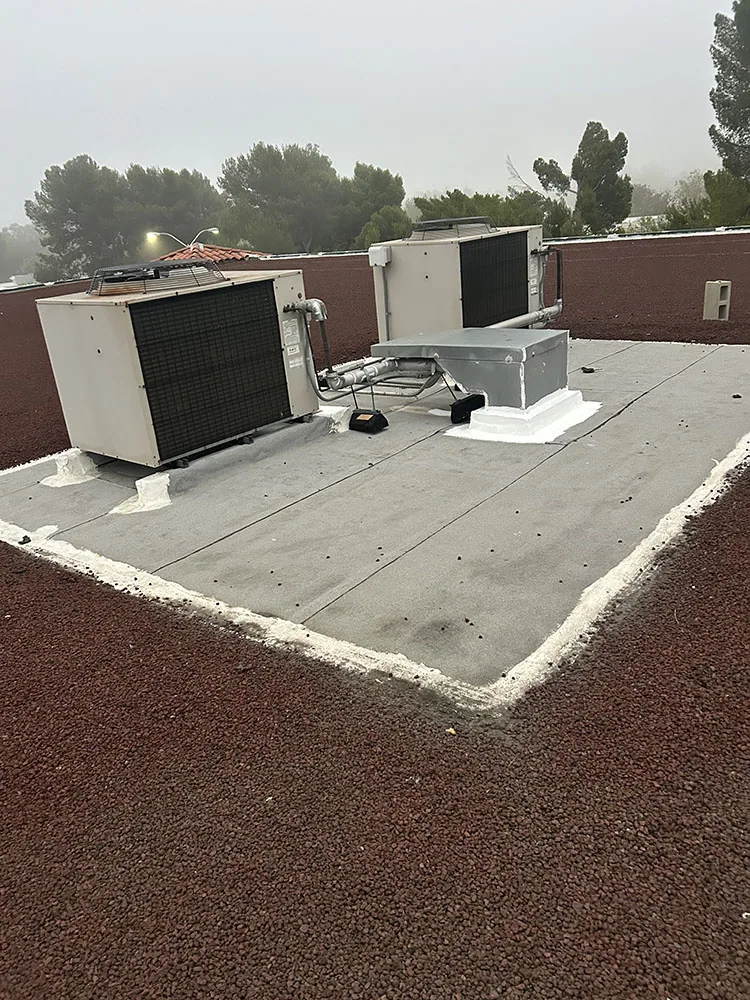
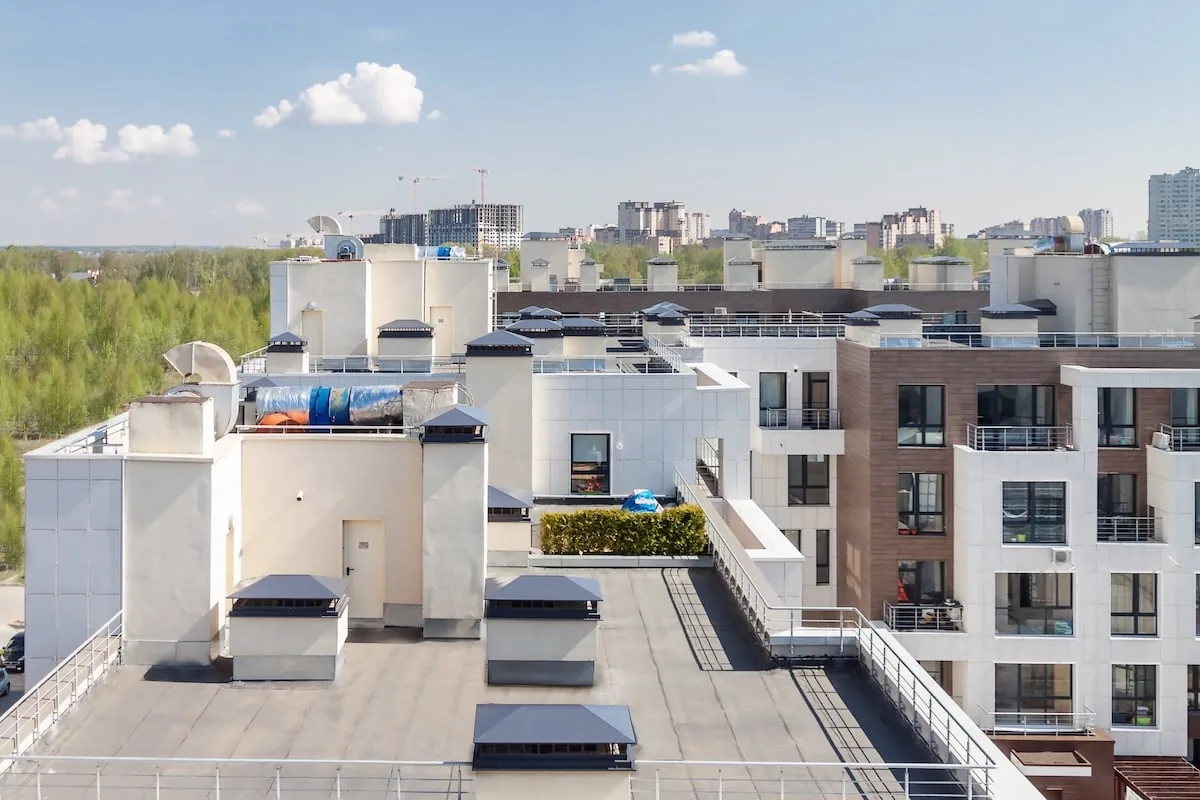
Strip centers collect equipment as tenants change. A restaurant adds a grease exhaust fan, a nail salon adds a vent, a clinic swaps its HVAC unit. Each addition cuts the roof, and each leaves a curb, a flashing and often a drip line. We number every penetration, photograph it and note the owner of the unit if the tenant list allows.
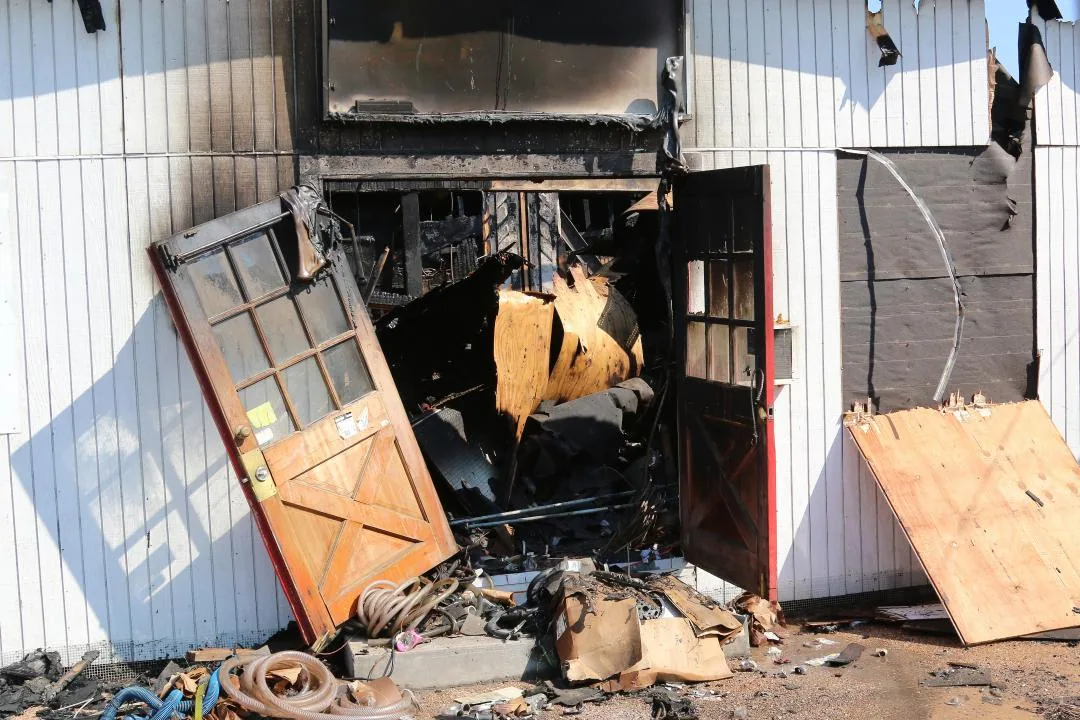
Grease is the usual troublemaker. Fat and oil collect on the sheet near exhaust fans and soften some membranes, and a grease trap or splash pan under the discharge protects the roof. Where the exposure is steady, the scope names a compatible system such as PVC roofing and writes the cleaning method into the packet.
Roof zones: canopies, parapets and long runs
Strip roofs are long and narrow, with parapets along the front and back, canopies over walkways and signage tied into the wall. Water follows the same pattern: it collects at parapet corners, scuppers and the low spots behind signs. We photograph each canopy and wall junction in sequence and log the condition by tenant bay.
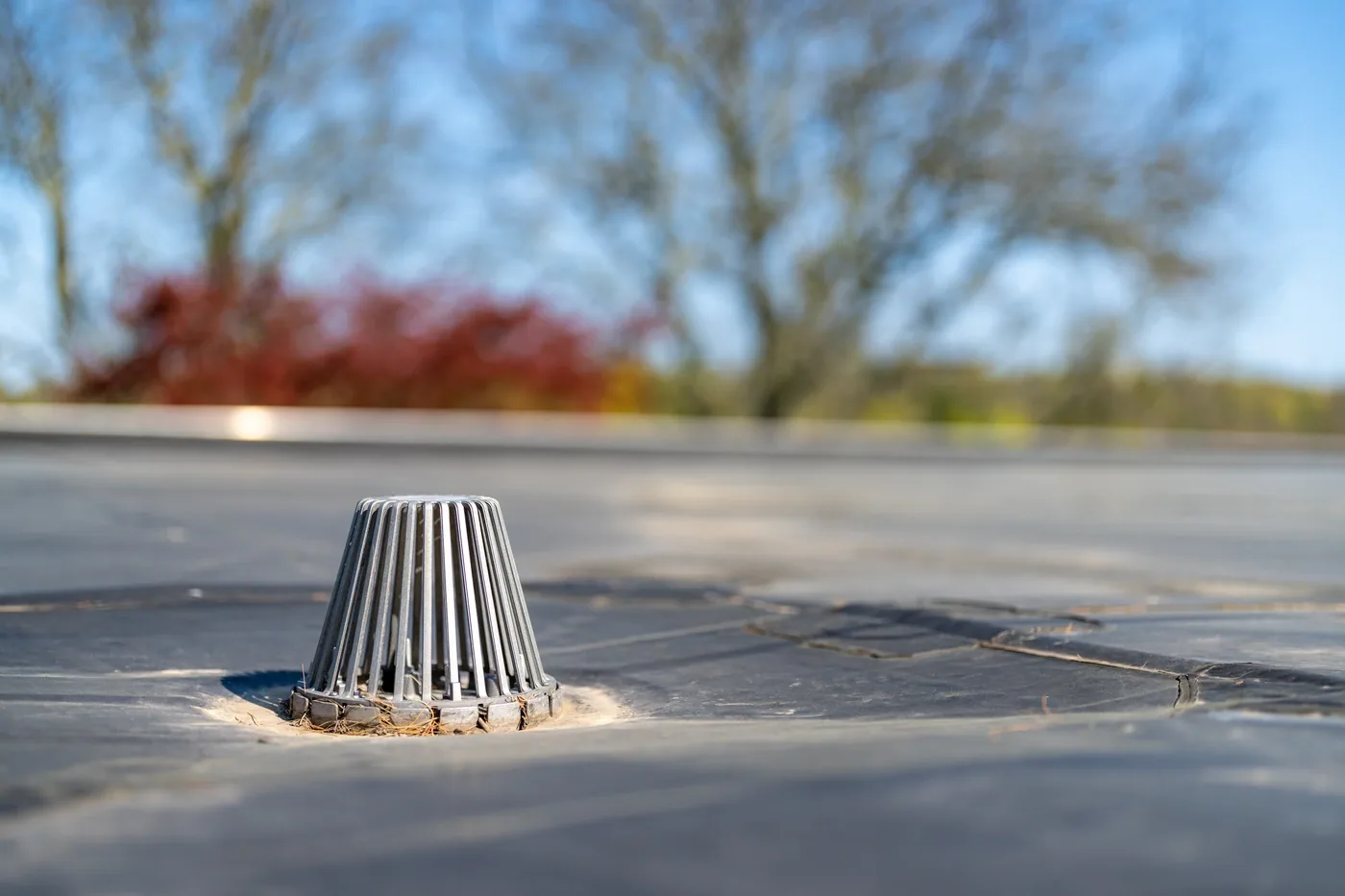
Drainage gets close attention. Scuppers clog with debris from the parking lot, and downspouts that discharge onto walkways cause their own problems. A roof drains and scuppers pass clears and tests each outlet, and the log records the result by bay so a slow drain shows as a trend.
Signage and façade attachments add penetrations that never appear on the original drawing. Sign supports bolted through the parapet, conduit run to channel letters and awning brackets all cut or load the wall flashing. We photograph each and record the condition of the sealant around it, since these are the details that fail slowly and show up as stains inside a storefront.
Storm evidence: hail and the retail calendar
Spring is the wettest season in the region and severe storms peak then, with hail, wind and flooding turning up somewhere in the Metroplex most years. A shopping center is a big flat target, and a bruise on the membrane may be hail or foot traffic from a service technician. Starting wide and moving in on the suspect detail lets the cause be read from context.
If hail damage is visible, moisture readings show whether the insulation is wet, and the hail damage repair scope follows from the dated findings. A landlord with an insurer needs those dates.
Parking-lot light poles, rooftop signs and mechanical screens can also shed debris in a storm, so the walk after a wind event looks for impact marks near them as well as for hail bruising.
Options review: repair, recover or replace by bay
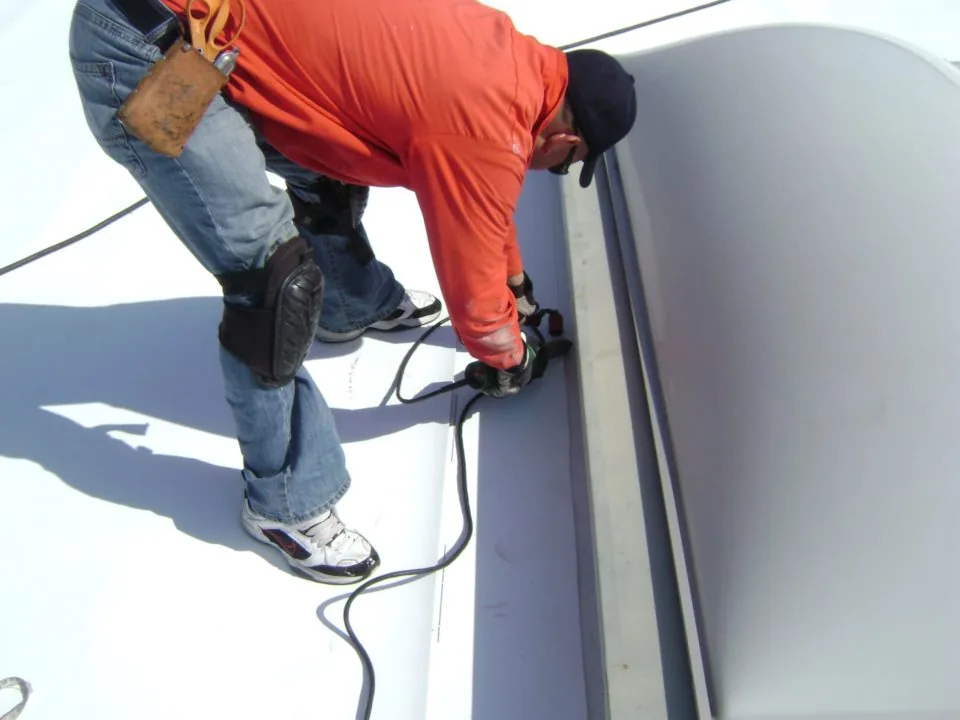
A strip center's roof is rarely one decision. Older bays may be past repair while newer ones are sound, and the lease structure may favor phasing. The moisture map and cores set the boundary, and the review prices each path with its disruption to tenants. A commercial roof replacement done in phases lets the center stay open and spreads the cost.
The decision file records why each bay got its answer, which helps when the owner explains the plan to tenants and lenders.
Cost drivers are specific to a strip center: the number of bays, the number of penetrations per bay, the amount of tenant equipment that has to be lifted and reset, the tear-off depth and the number of weekend or after-hours shifts the leases force. The scope prices each line separately, so the owner sees which lease limits actually drive the number.
Closeout packet: the landlord's roof file
The packet holds the tenant-to-roof map, penetration list, moisture readings, product sheets, access log and photographs. A big-box store or restaurant in the same center can share its format, and the next inspection date is set before the crew leaves.
Landlords also keep a short tenant-notice log in the packet, so later questions about what was told to whom, and when, can be answered from the file.
Commercial Roofing Questions
Who is responsible when a leak sits under a tenant's unit?
The lease exhibit and the penetration record settle it. We tie the finding to the unit's curb and flashing, and the owner uses that in the conversation.
Can roofing continue through the holiday season?
Usually only short repairs. Large work waits for the quiet months, and the access log carries the blackout dates.
How do restaurant exhaust fans affect the roof?
Grease softens some membranes. A splash pan, regular cleaning and a compatible system protect the roof, and the packet records the cleaning method.
Why check scuppers and downspouts?
Because clogged outlets pond water behind parapets and downspouts can soak walkways. Each outlet is cleared, tested and logged by bay.
Can a strip center be reroofed in phases?
Yes. Bays are done in sequence around tenants, and each bay is dried in before the crew leaves.
Related
Related Roofing Work
Business 121 Corridor
PVC Roofing
Roof Drains, Scuppers and Ponding Correction
Hail Damage Roof Repair
Commercial Roof Replacement

Big-Box Retail Roofing
Schedule a bay-by-bay inspection
Send the tenant list and the lease roof exhibit, then schedule an inspection to receive a dated condition record with photos, findings and recommended next steps by bay.
