
Auto Dealership Roofing in Lewisville, TX
Home // Property Types We Roof //
Overview
Auto Dealership Roofing in Lewisville
A service-bay work order and a showroom ceiling mark should not be rolled into one roof finding until the roof path is traced. For auto dealerships in Lewisville, TX, we begin with the building plan, service history, and operating calendar, then map inspection zones over the showroom, parts area, offices, and repair bays. Each photograph and moisture reading carries a zone label so the facilities manager can distinguish a surface defect from a condition that may affect vehicles, inventory, or customer space.
Dealership roofs usually combine a showroom, service bays and canopies, so the inspection treats each as its own system. We inspect the membrane or metal system actually present, confirm the drainage path, and record the condition of penetrations, curbs, seams, and edge metal. The result is a defined repair boundary and a comparison of repair, recover, or replacement based on the observed assembly.
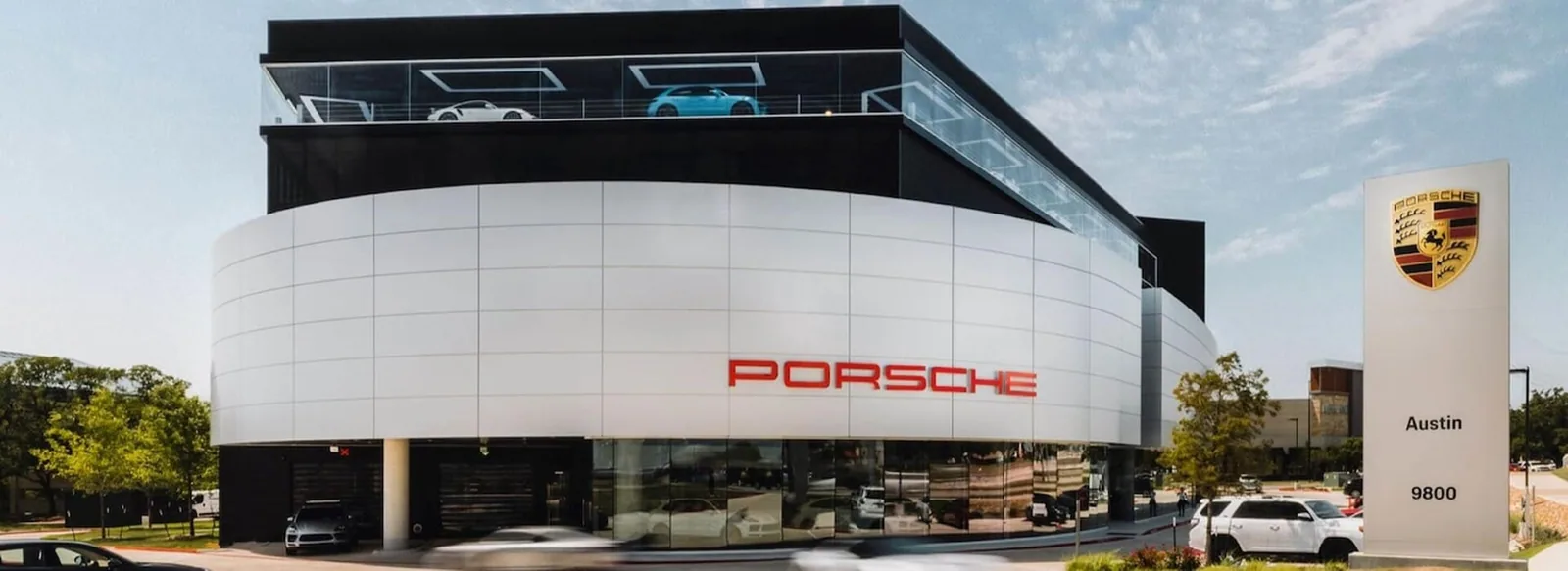
Inspection route: cover showroom and service bays
We set a zone map before moving across the roof. Showroom, parts storage, offices, service bays, and covered delivery areas may have different interior risks and roof details. A wide image establishes each section, followed by close views of seams, equipment curbs, skylights, drains, and prior patches. If a ceiling mark appears above a customer area, we trace the likely water path instead of treating the nearest roof defect as its source.
Dealership operations influence the route. We confirm lift access, roof entry, and work hours with the property contact before arriving, and note any equipment that needs a lockout. If a test cut or interior inspection is warranted, we identify its location and protection needs for approval. The commercial roof inspection produces a dated finding list that can be matched to repair tickets, vendor invoices, and future photographs. Each item receives a next step: repair, test, or monitor.
Storm marks: compare the roof record
Hail reaches the Metroplex in most years, and a dealership's roof shares that exposure with the vehicles on its lot. A regional storm report prompts an inspection of this roof, and the marks on it supply the finding. We photograph suspected impact marks, metal edges, rooftop equipment, and membrane seams, then compare those images with the prior condition record. The inspection notes where a finding sits and whether it reaches the roof assembly.
Heat also affects exposed details. The regional airport averages July and August highs near 96 degrees and about 20 days a year at 100 or more. Repeated cycles can stress sealants and transition details, so we look for open laps, brittle flashing, displaced fasteners, or coating wear. A hail damage repair scope or heat and UV repair follows observed conditions, not a broad weather label.
Assembly check: protect the space below
We identify the roof system, attachment, insulation layers, and deck conditions where testing is approved. A single-ply membrane over a repair bay may differ from a metal canopy or an older showroom section. We note penetrations and rooftop equipment because every curb has flashing that can fail independently. A moisture reading can help map suspect zones; an approved core confirms the layers at that point and whether insulation is wet.
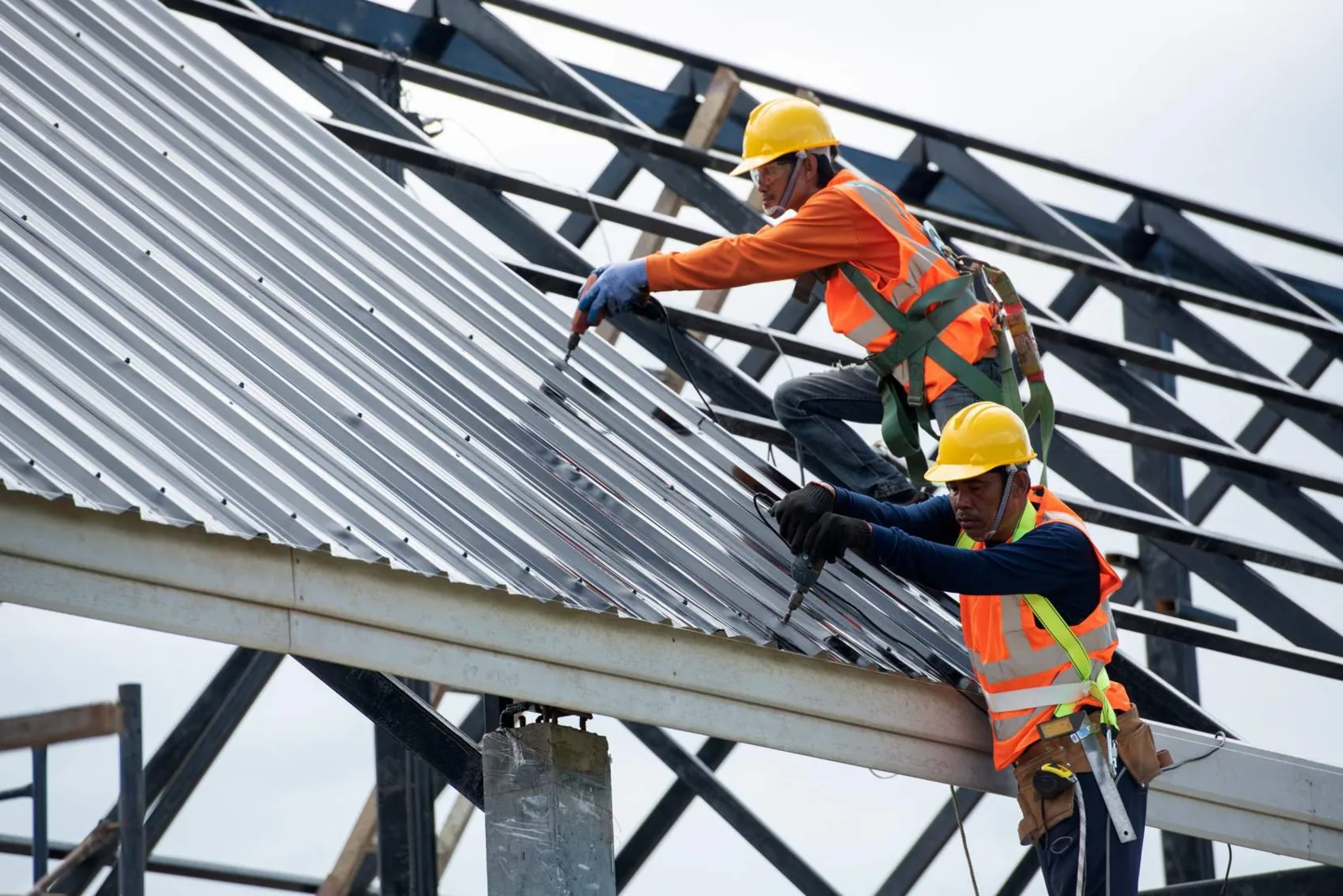
The record keeps test results separate by zone. If a service-bay roof contains wet board while the showroom section remains dry, the scope should preserve that boundary. A recover may fit some assemblies, but it cannot correct wet insulation or a failed detail that remains below the new surface. When the dealership has standing seam over a sales area, a standing-seam metal system needs its own seam, clip, and penetration review. The project choice follows the verified layers and required details.
Work window: stage without blocking sales
Material delivery, lift placement, and debris removal can compete with customer parking and vehicle movement. We mark a staging route with the manager, establish barriers around active overhead work, and sequence the roof zones around service-bay use. If equipment shutdown is needed, the person responsible and time window are recorded. Each section closes with a dry-in check before the next part of the roof is opened.
Whether the dealership sits on the I-35E corridor, where Business 121 meets the interstate, or nearer Old Town, the access plan depends on the driveway, the lot and the operating hours. A Central I-35E commercial roof inspection considers the corridor’s access, while the property plan states where customer circulation must remain clear. If the building remains open, our occupied-building reroofing sequence protects the specific space below.
Options review: repair, recover, or replace
We compare the options against the same mapped conditions. A repair scope lists the seam, penetration, drain, or flashing defect and the boundary around it. A recover scope identifies existing layers, attachment, insulation findings, and perimeter work. A replacement scope notes tear-off depth, disposal route, substrate repair, and the sections that can be completed within each work window. No option should hide the differences between the showroom and service areas.
Cost and duration depend on roof area, curb count, access, staging, protection below, tear-off, and the number of sections that can be opened at once. We identify assumptions about vehicle movement and service interruption before pricing. If the inspection shows isolated failures over dry insulation, a repair may remain viable. Broad moisture or repeated seam failure can support larger work. A roof condition report keeps photographs and findings together for the owner’s capital decision.
Closeout packet: return the dealership to normal
At project closeout, the manager receives dated before-and-after photos, the zone map, material information, test results where performed, and completed-detail notes. The record states which sections were repaired or replaced and lists any item deferred for monitoring. That makes it easier to match roof work with maintenance records and keep future service visits within the same repair boundary.
A warehouse roof or school roof may share a membrane type with a dealership, yet each has its own exposure, access and interior requirements, so each keeps its own file. The dealership's file ends with the property's own photos, findings and next steps, ready for the facilities file and the next budget review.
Commercial Roofing Questions
How do you protect vehicles during a roof repair?
We mark the work zone, material route, and area beneath each open section before crews mobilize. The dealership contact confirms where vehicles can move and which bays or customer spaces must remain clear. Temporary protection and a same-day dry-in check are included in the sequence, with a record of any area that remains restricted.
Can you tell whether hail damaged the roof or only the rooftop equipment?
A dated inspection separates visible marks by material and roof zone. We photograph membrane, flashing, metal edges, and equipment, then compare them with prior records where available. Moisture checks or a test cut may be needed to see whether a surface mark extends into the assembly. The report states what was observed and what requires further testing.
What roof areas should be inspected around service bays?
We check equipment curbs, exhaust penetrations, drains, seams, transitions, and any roof section above active work. The route also includes the interior ceiling and wall locations where staff have reported water. Findings are mapped by zone so the repair plan protects vehicles, parts, and service operations without assuming the leak enters directly above a stain.
When is replacement preferable to another patch?
The extent of wet insulation, repeated seam failures, attachment condition, and repair history drive the comparison. An isolated detail over dry material can stay a repair candidate. Failures spread across multiple roof zones may call for replacement, especially when another patch would not correct the underlying assembly. We document those differences before recommending a project boundary.
What do we receive after the work is complete?
The closeout packet holds the zone map, dated photographs, completed-detail notes and product information, plus test results where testing was in the scope. Deferred items carry a review date. The dealership can retain it with maintenance and service records for the next repair or capital decision.
Related
Related Roofing Work
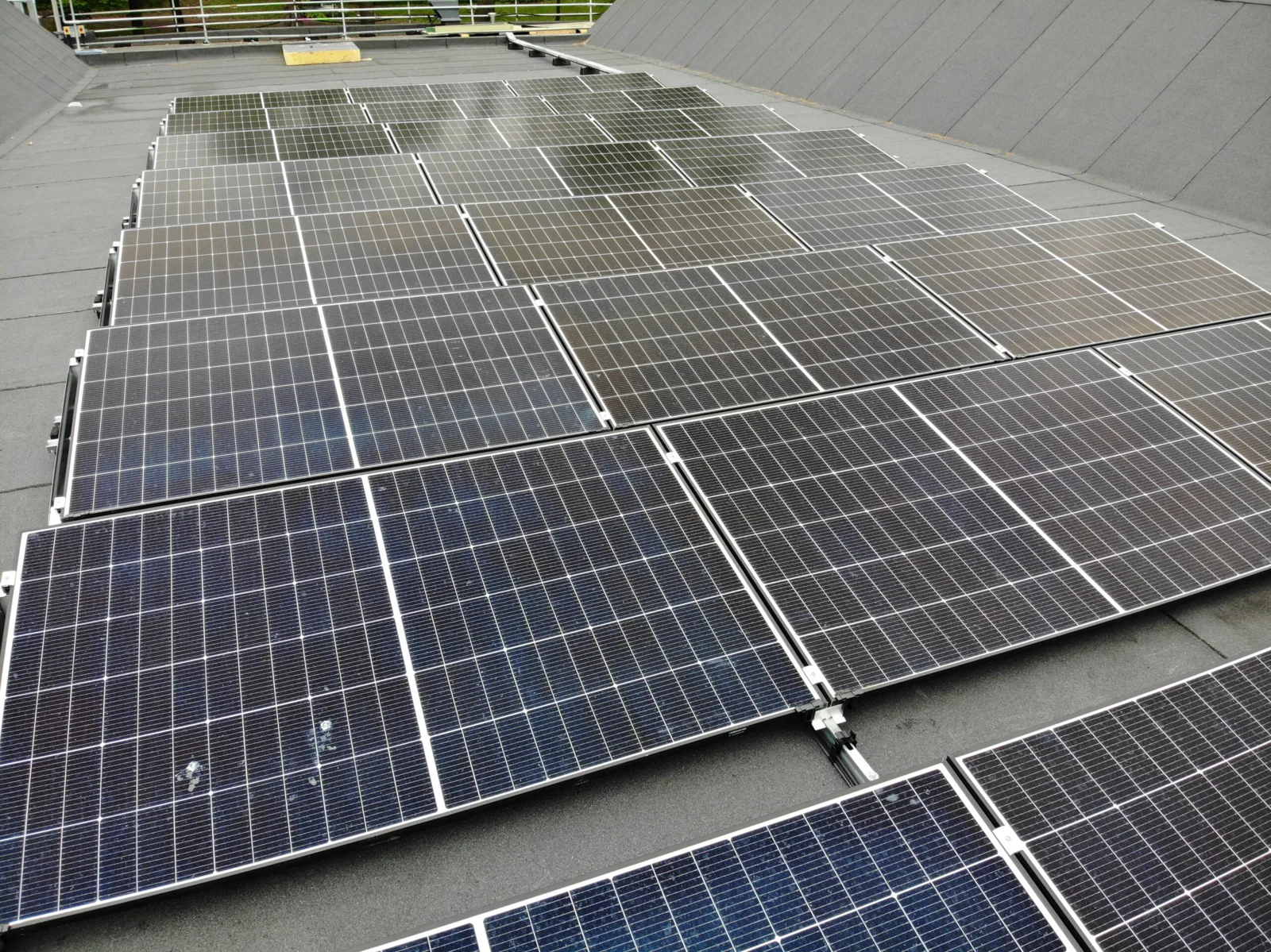
Commercial Roof Inspections
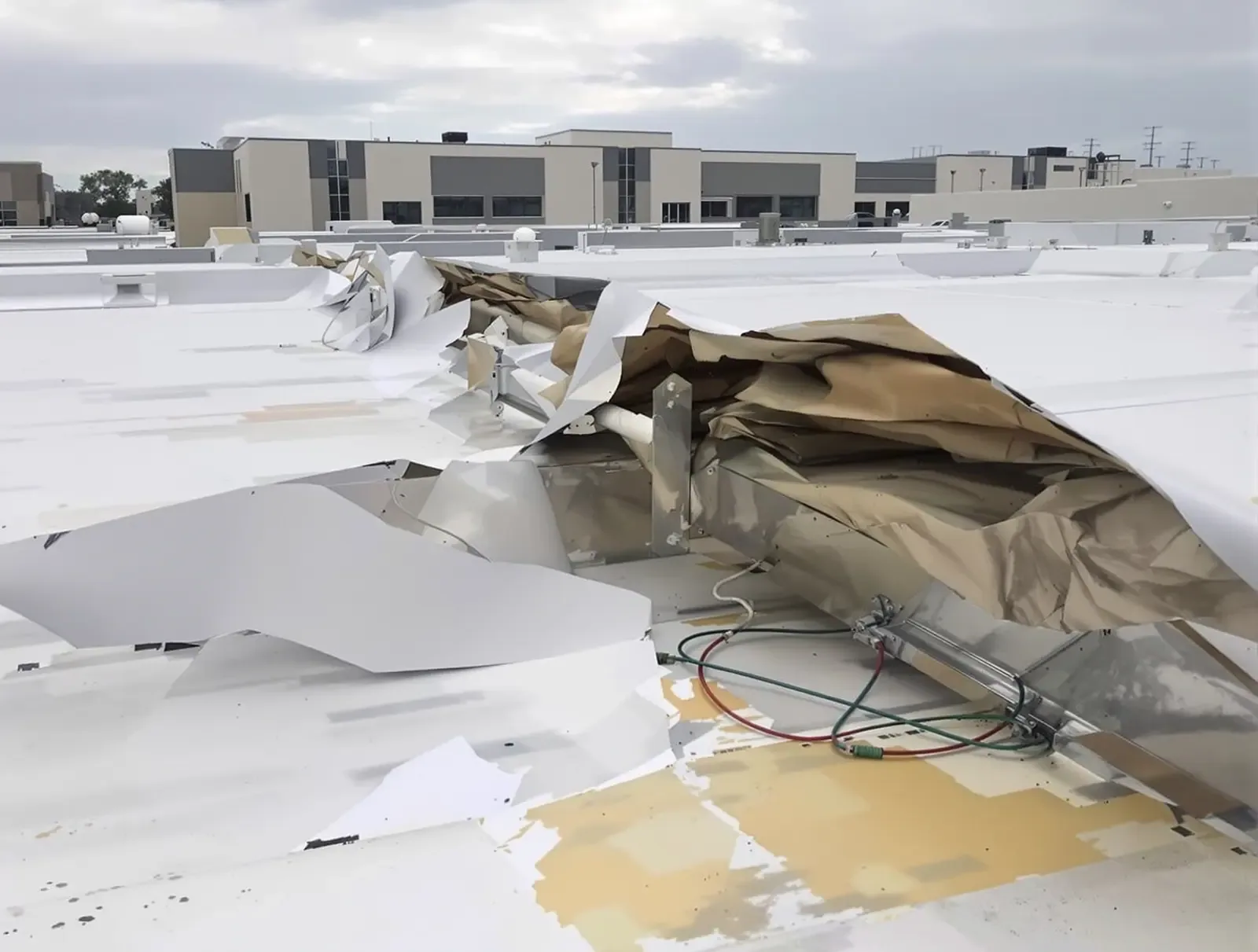
Hail Damage Roof Repair
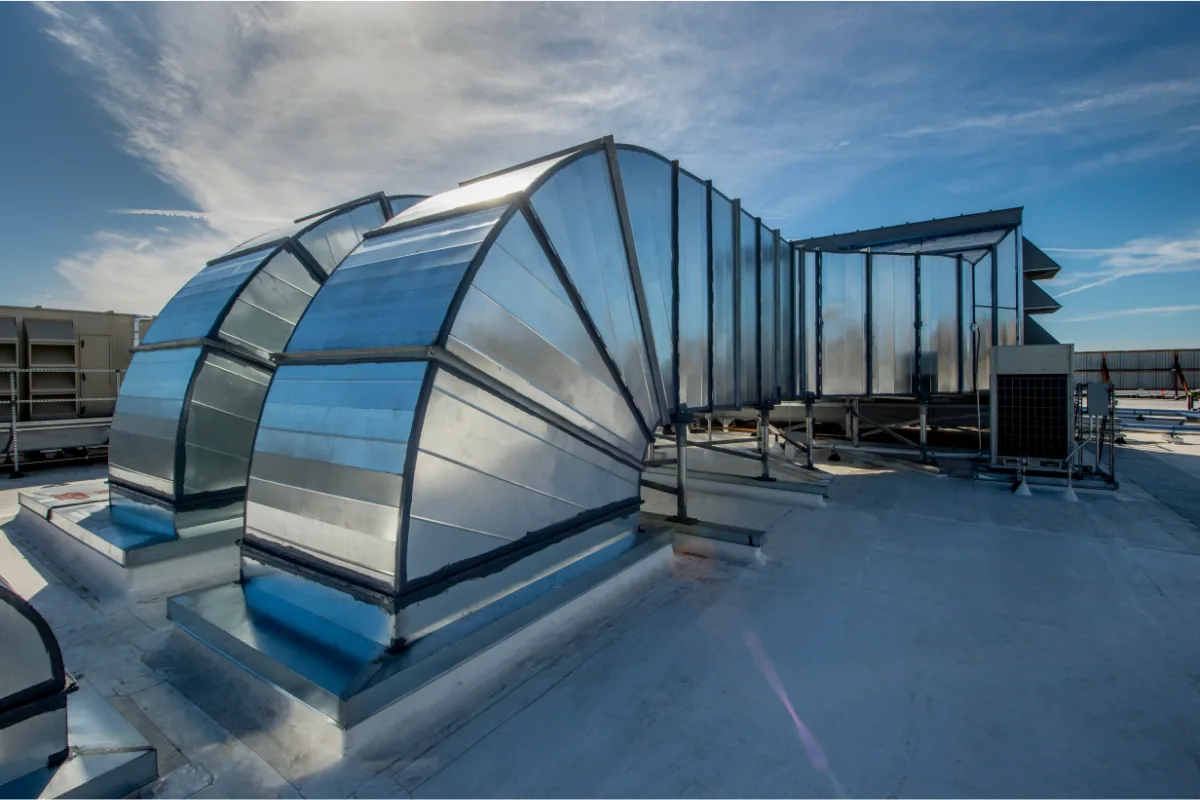
Heat and UV Roof Damage Repair
Standing Seam Metal Roofing
Central I-35E
Occupied Building Reroofing
Schedule a dealership roof inspection
We will map the roof by operating zone and provide dated photos, repair findings, and a phased scope that accounts for sales and service access.
