
Fitness Center Roofing in Lewisville, TX
Home // Property Types We Roof //
Overview
Fitness Center Roofing in Lewisville
Pool humidity, rooftop exhaust, locker rooms, and evening classes create different inspection questions across a fitness center roof. We start with the floor plan, maintenance log, and class schedule, then map the roof above the pool, training floor, locker rooms, offices, and any adjoining retail or studio space. For a gym in Lewisville, TX, the dated photo sequence should connect each finding to a specific roof zone and work window, so the manager can protect occupied areas while deciding what to repair.
Gyms sit among retail, office and light industrial neighbors around I-35E, SH 121 and Old Town, which shapes parking, delivery and lift access. We inspect the membrane, metal, or coating in place, trace drainage, check flashing around equipment, and use approved testing where concealed layers may affect the scope. The report compares repair, recover, and replacement against the building’s actual findings.
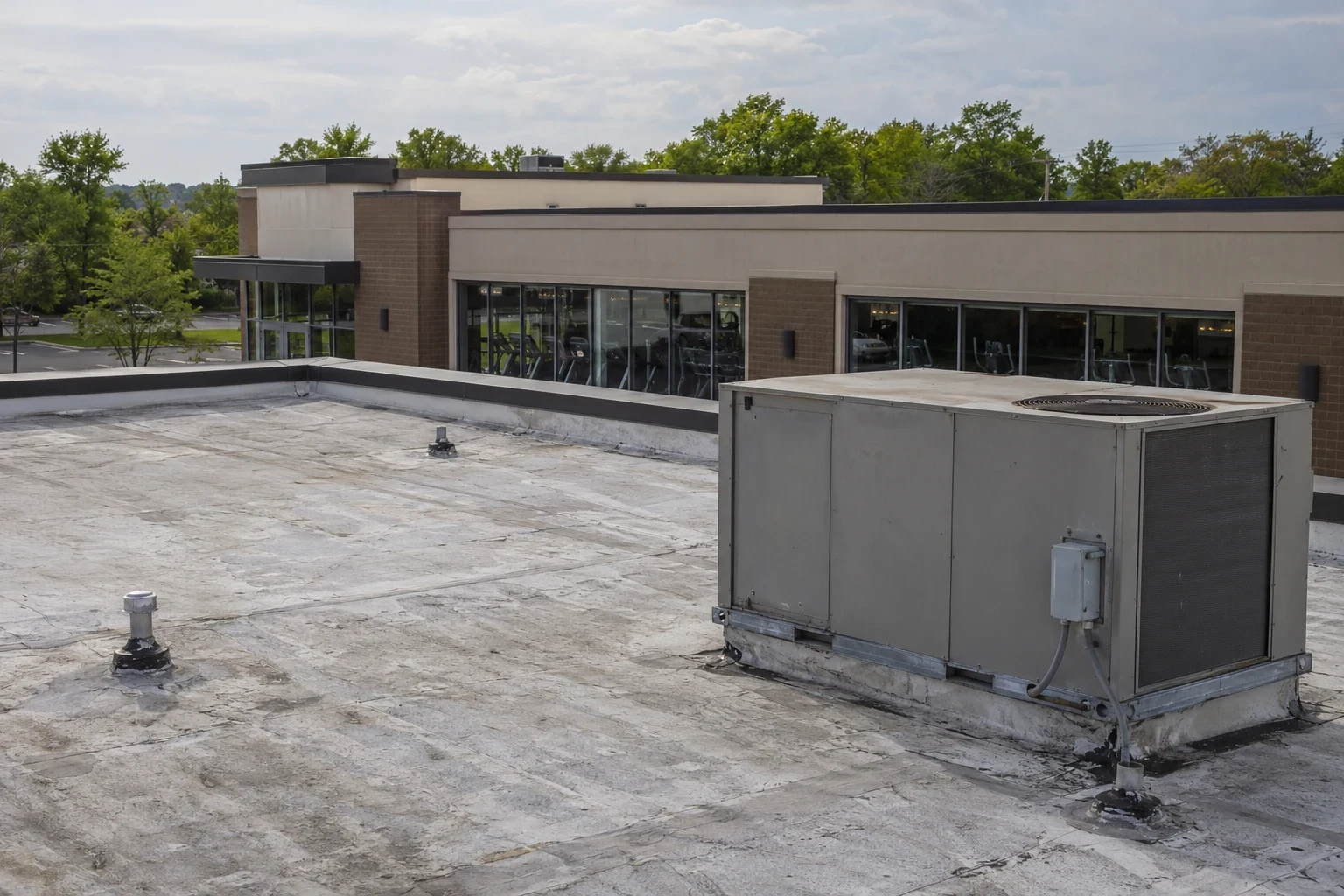
Use zones: inspect pool, locker, and training areas
We assign labels to roof sections that match the interior use and drainage path. A pool area can have a different vapor and ventilation load from a training floor. Locker rooms and showers add exhaust penetrations, while rooftop units require curbs and service clearances. We photograph each zone wide, then move closer to seams, penetrations, drains, perimeter metal, and prior repairs. If an interior mark appears, we trace the likely water route instead of equating the stain location with the entry point.
The record identifies who can release roof access and whether classes or scheduled events limit a visit. If staff reports odor, condensation, or a ceiling mark near a pool, we note the location and look for assembly and ventilation clues before deciding that the roof is the cause. A commercial roof inspection gives the manager dated findings to compare with service tickets. The roof map also keeps a future inspection on the same route, which makes changes by area easier to distinguish.
Moisture review: separate condensation from entry
A damp ceiling near a pool or shower may involve ventilation, condensation, or roof leakage. We record interior conditions and inspect the roof zone above, including exhaust curbs, seams, flashing, and drain paths. If readings suggest moisture in the assembly, we mark the suspect boundary and recommend a test cut when it would change the repair choice. A core reveals the layers at the approved point, not every zone.
North Texas summers are hot and humid, spring and fall run wettest, and severe thunderstorms peak in spring, so drainage and ventilation details both deserve a look. A moisture survey may help identify areas for confirmation. The report distinguishes an observed leak path from a humidity concern and notes which trade coordination may be needed. Where the membrane is sound but flashing fails, the scope can remain at the detail instead of replacing unrelated roof sections.
Equipment curbs: keep service access clear
Fitness centers often rely on HVAC, exhaust fans, and dedicated pool equipment. Each curb and penetration interrupts the roof surface and needs a compatible flashing detail. We photograph the base, counterflashing, sealant, attachment, and any movement around the unit. If a technician must disconnect or lock out equipment, the access log names the contact and approved window before the roof crew begins. The work sequence also identifies service paths that must remain open.
A roof replacement may require more coordination than a localized curb repair because multiple units or zones can be affected. We note curb counts, equipment clearances, and any structural or electrical review that the owner’s project team must coordinate. The scope does not assume the roofer can move equipment without authorization. Rooftop equipment curb work records each detail touched, while drain and scupper service keeps discharge points in the same inspection map.
Class schedule: set the work window
The manager identifies busy class blocks, pool hours, childcare use, deliveries, and any events that change access. We set a staging area away from member entrances and keep the daily roof opening within a section that can be dried in. If loud tear-off must avoid a class, the schedule states the pause before labor is priced. Barriers, interior protection, and a contact for reopening each space are listed in the work plan.
For a gym near Old Town or the gateway corridors, the class and facility calendar controls the work sequence. A roof crew does not need to disrupt every program to complete one zone. Our occupied-building reroofing plan identifies which areas remain open and how the final check is recorded. Routine roof maintenance can then be scheduled around the same access map, reducing the chance that a small drainage or flashing item waits until the next major project.
Repair boundary: choose work by condition
We compare repair, recover, and replacement using the same zone labels. A localized flashing defect or seam opening over dry material may support repair. A recover needs a suitable existing assembly, sound attachment, and dry insulation where tested. Replacement becomes more relevant when moisture, repeated failures, or perimeter deterioration reaches multiple zones. The report keeps those findings separate so a pool roof issue does not automatically set the scope for an adjoining office or studio wing.
Cost and duration follow roof area, curb count, access, interior protection, tear-off depth, disposal, and the number of sections that can be worked within the class calendar. We state assumptions about equipment shutdown and pool-area protection before comparing bids. If a reflective restoration system is appropriate, the existing surface and drainage must support it. A silicone coating system is reviewed against the substrate and manufacturer requirements, not selected simply because a gym has high cooling demand.
Closeout log: match every detail to its zone
The finished file holds the zone map, photographs from before and after the work, core or moisture results, product information and each repair boundary. It lists completed curb and drain work, any deferred item, and the recommended review date. The facilities manager can keep the file with equipment records and schedule the next inspection.
A medical office roof or hospital roof may share equipment or membrane details, yet a gym’s pool and class schedule shape its own work window. A fitness center near Old Town or the I-35E corridor gets the same dated account of actual findings and a clear next step, whether that is repair, another test, or capital planning.
Commercial Roofing Questions
How do you investigate a stain near a pool?
We inspect the roof area above and nearby, then compare the roof details with ventilation and interior conditions. Exhaust curbs, seams, flashing, drains, and ceiling locations all go into the zone record. Moisture readings or an approved test cut can help determine whether water entered the assembly. The findings identify the next test or repair without assuming that pool humidity proves a roof leak.
Can the gym stay open while roofing work is underway?
The schedule follows the building’s class calendar, access rules, and the section being opened. We coordinate noise, deliveries, equipment shutdown, barriers, and interior protection with the manager. Each work area has a defined dry-in and closeout check.
What roof details matter around HVAC and pool exhaust?
Curbs, flashing, sealant, counterflashing, and service clearances are checked because each unit interrupts the roof surface. We photograph each detail and identify any access contact or shutdown requirement. A repair scope names the curb or penetration and the boundary of work, so the closeout file records which units were touched and which remain unchanged.
Could a coating restore the existing gym roof?
The substrate, attachment, moisture condition, drainage, and existing coating compatibility decide whether restoration is viable. We inspect and test suspect areas before selecting a system. Wet insulation or failed details need correction, and a coating does not replace that work. The scope names preparation, repairs, and coating zones.
Which records are included after repairs?
The manager receives dated photos, the roof-zone map, completed detail notes, material information, and test results when testing is included. Deferred findings carry a location and review date. Staff can keep them with HVAC records for another inspection.
Related
Related Roofing Work
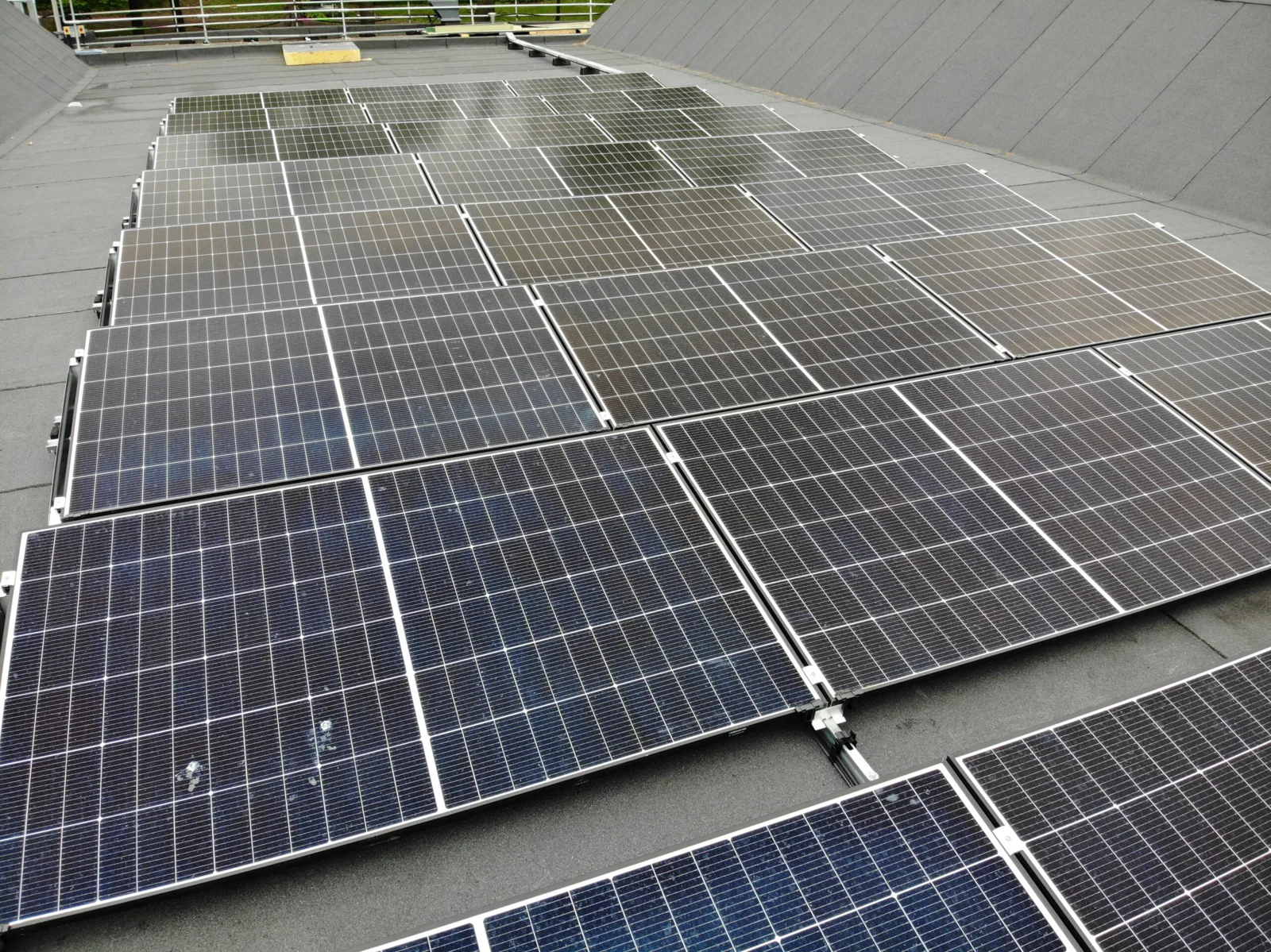
Commercial Roof Inspections
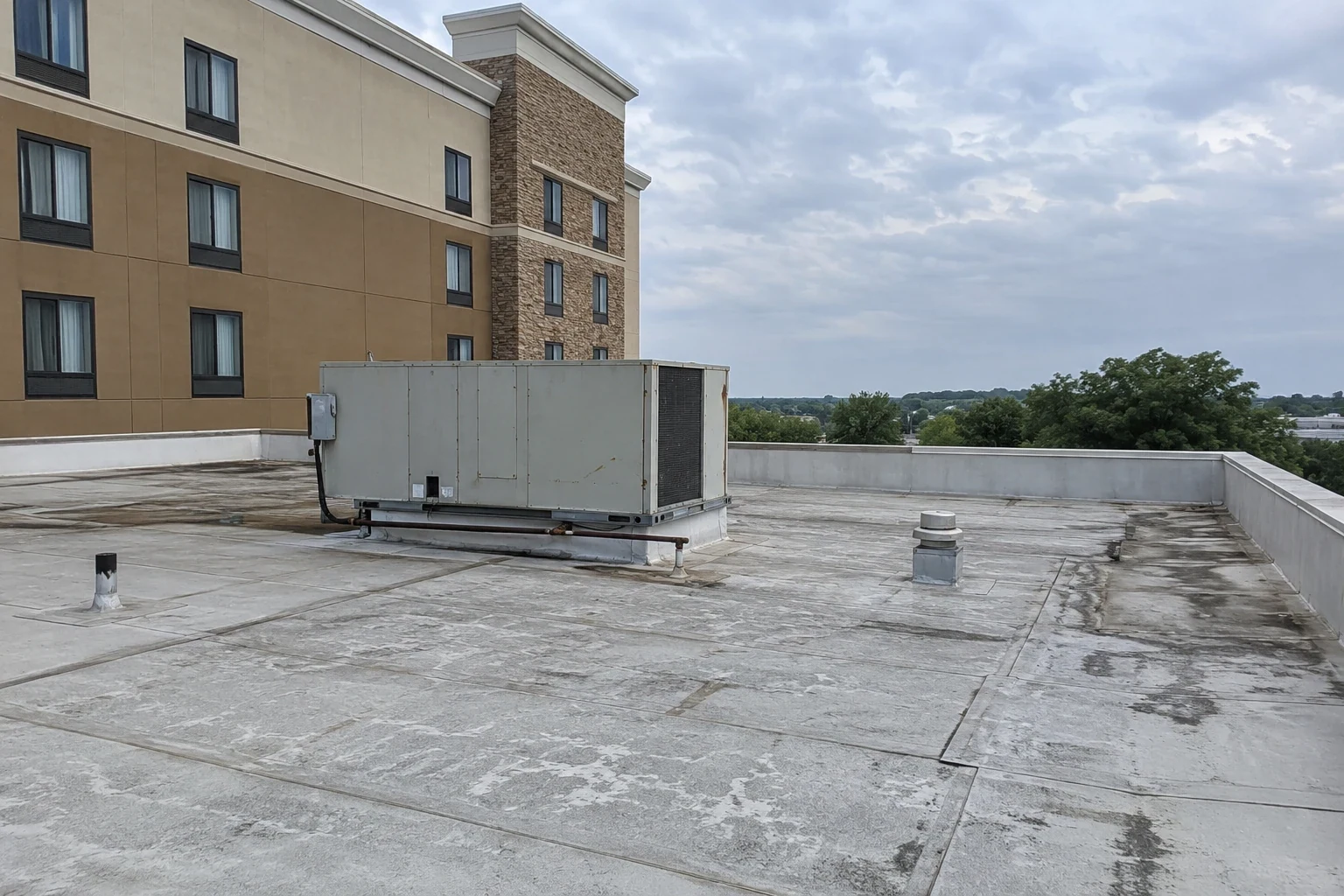
Rooftop Equipment Curbs and Supports
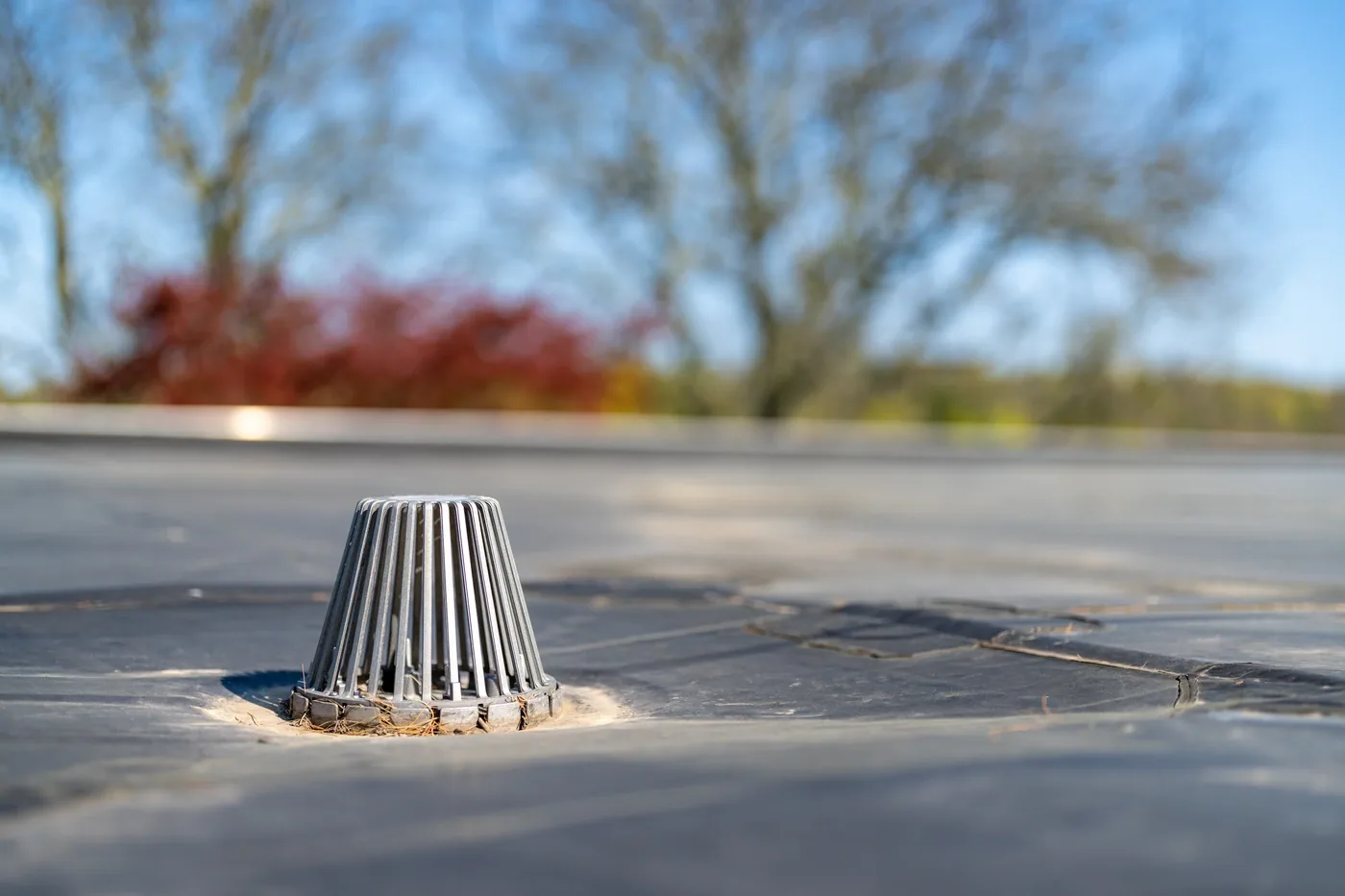
Roof Drains, Scuppers and Ponding Correction

Old Town
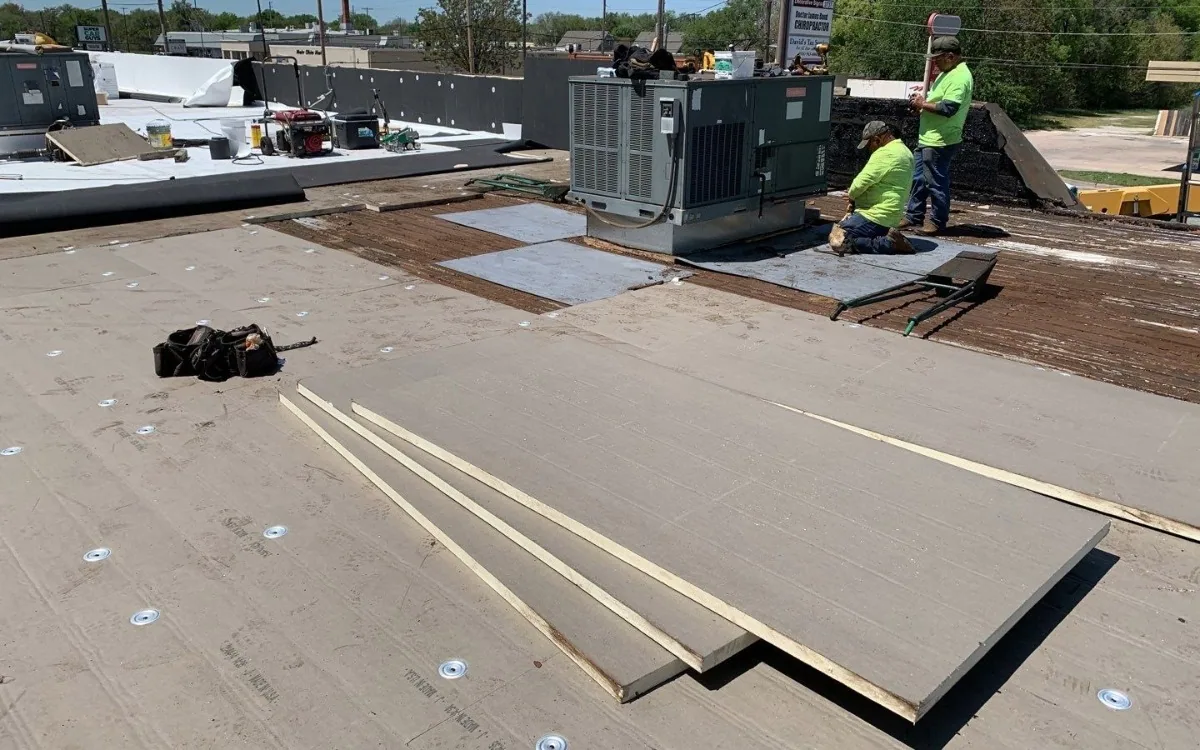
Occupied Building Reroofing
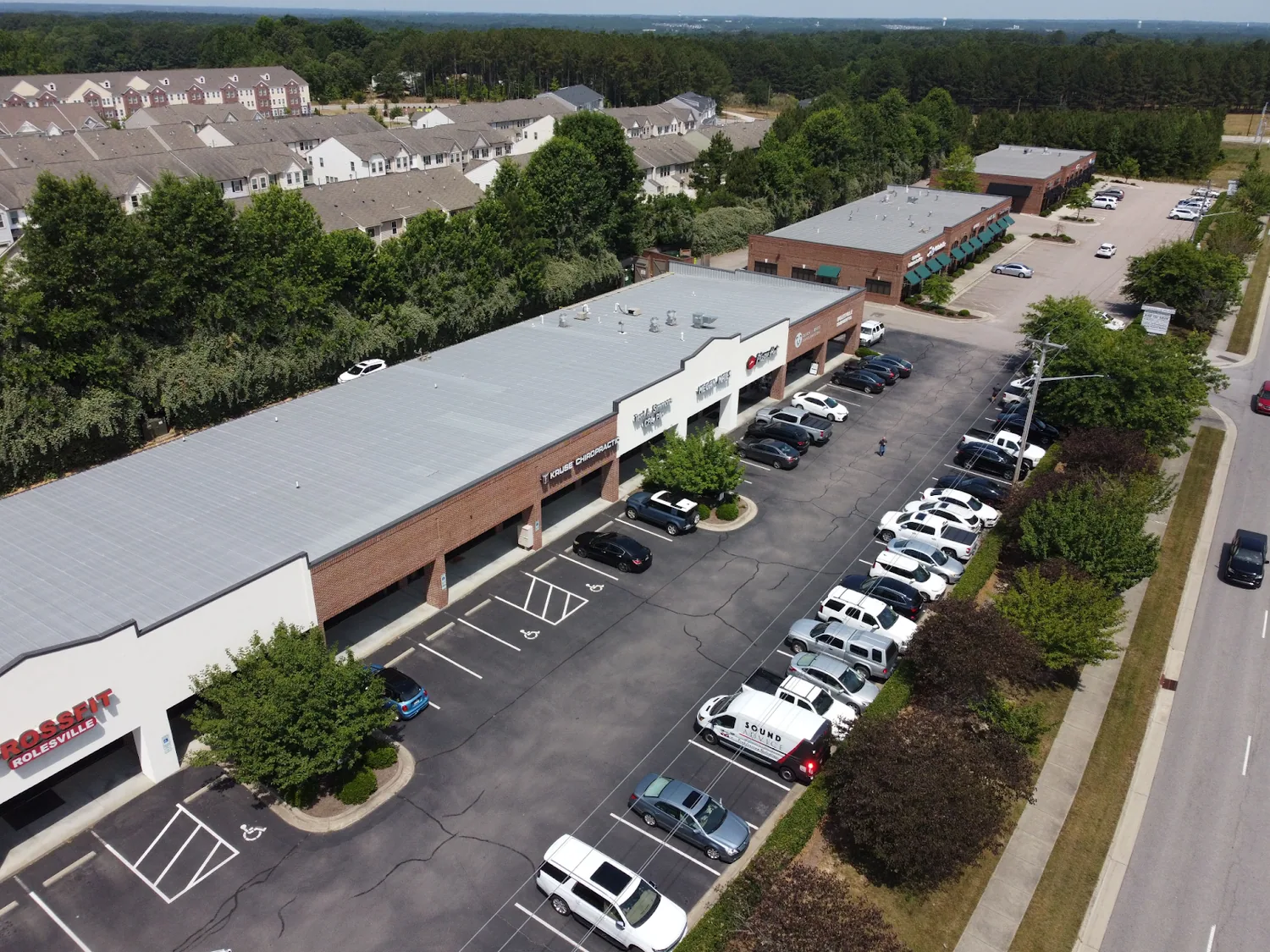
Preventive Roof Maintenance
Schedule a fitness center roof inspection
We will inspect the roof by use zone, coordinate the class and equipment windows, and provide dated photos with recommended next steps.
