
GAF Commercial Roofing Systems in Lewisville, TX
Home // Roofing Manufacturers //
Overview
GAF Commercial Roofing Systems in Lewisville
A roof identified as a GAF system on paper can look very different once someone walks it. The manufacturer makes commercial roofing in several families, so the first record is a plain description of what is actually on the deck: a thermoplastic single-ply, a modified bitumen cap sheet, a built-up assembly, or a liquid-applied coating over an older surface. The manufacturer's name tells an owner whose paperwork to look for. The family tells us how the roof ages, how it is repaired, and what the next inspection should check.
For a Lewisville, TX property, the work is to match the repair and maintenance method to the system in place, record what was done, and keep the file that a warranty reader or a buyer will want to see.
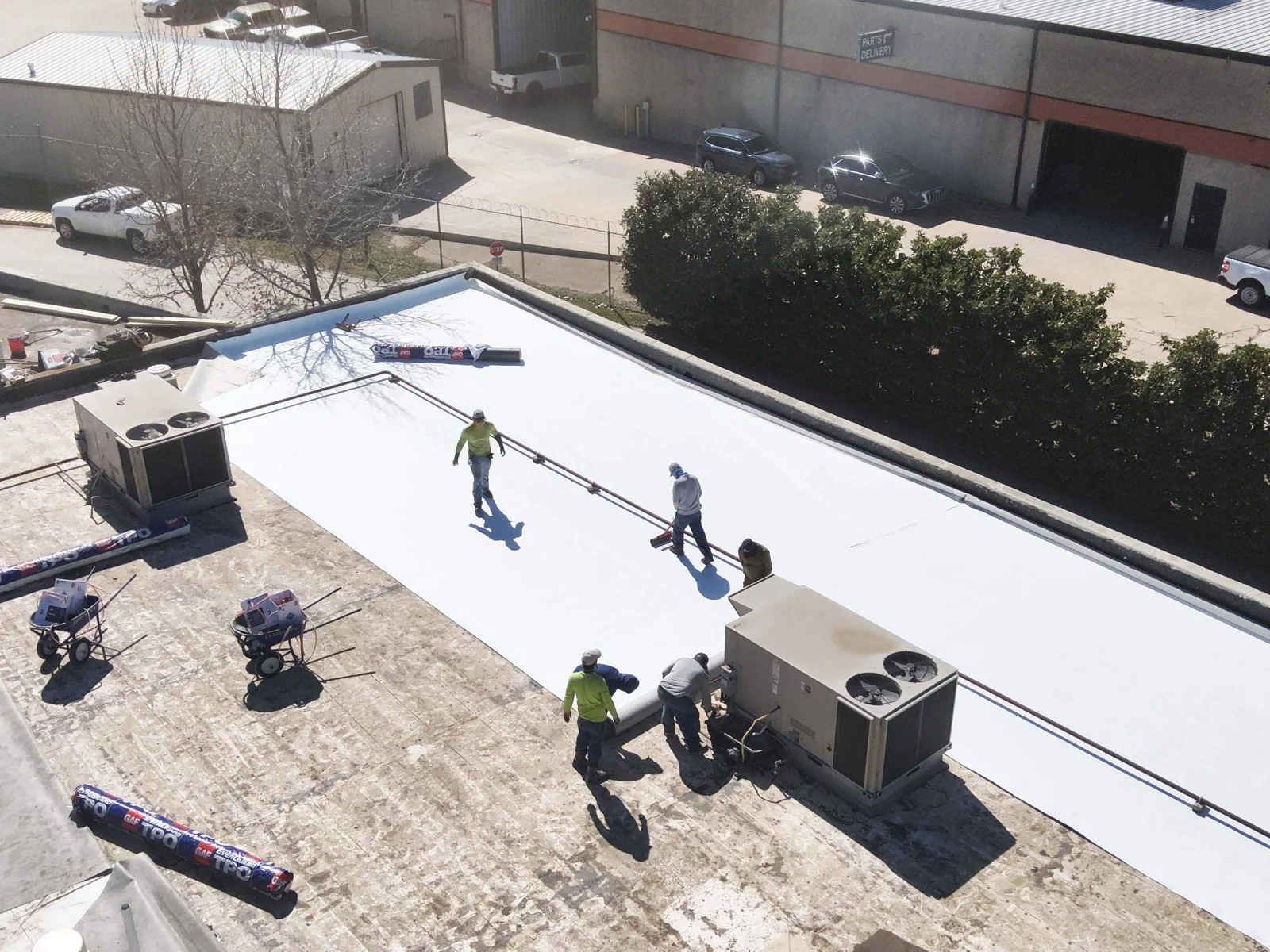
System families: what the name can mean on a roof
The manufacturer's commercial offering spans more than one kind of roof. Thermoplastic single-ply membranes are heat-welded at the seams and are common on low-slope roofs with rooftop equipment. Modified bitumen and built-up assemblies layer asphalt-based sheets, often with a mineral-surfaced cap, and are common on roofs that have been reroofed more than once. Liquid-applied coatings and accessories round out the range.
Which family a roof belongs to is found by looking, not assuming. A seam that is welded, a cap sheet with granules, a fluid-applied surface with a visible reinforcement fabric, each points to a different family. We note the evidence in the file, because a repair product that suits one family can damage another.
Identification: paperwork, labels, and core cuts
Identification starts with documents: the warranty, the closeout packet, a roof plan, and past repair invoices. Where documents are missing, we look for field evidence. Labels on edge details, stamped information on flashing, and the build-up exposed in a core cut each narrow the possibilities. A core also shows the insulation, the cover board if any, and the number of layers below.
The identification is recorded as what the roof shows. If the evidence points to a manufacturer but cannot prove it, the file says so, and repairs are chosen to be compatible with the family in place. That keeps a guess about the brand from becoming a mismatch in the membrane. When a later core cut or a recovered warranty settles the question, the file is corrected and the correction is dated, so the history shows what was believed at each point and why.
Photographs of the identification evidence stay in the file, labeled by location, so a reviewer can see why the roof was placed in a family. A label photographed at a curb, a core laid beside a tape, and a page from the closeout papers together are stronger than any one of them alone.
Repair method: matching the product to the family
Repair follows the family. A thermoplastic membrane is cleaned and patched with a heat-welded piece, and the weld is probed after it cools. A modified bitumen sheet is patched with a compatible bitumen sheet or a cold-applied material, with the granule surface restored so the patch does not become a point of UV wear. A coating system is repaired by cleaning, priming, and recoating with a compatible product.
We follow the manufacturer's published details for flashing, termination, and fastening where they apply to the roof in place, and we record any departure and the reason. Where a detail needs a manufacturer's approval, the owner is told before the work begins, so a repair does not create a question about coverage later.
Storm evidence: hail marks on each family
Hail, wind, flooding, and tornadoes recur across the Metroplex nearly every year according to the National Weather Service, and a given site is hit only some years, so a report starts the inspection. How hail damage shows differs by family: a bruise or fracture on a single-ply surface, a granule loss and mat exposure on a cap sheet, a crack in a coating.
We photograph the pattern across each roof zone with a scale in the frame, then test suspect spots. The record keeps new marks apart from older wear, and it notes which marks reach the reinforcement or the insulation below. That separation is what an owner, an insurer, and a manufacturer each need to read the roof the same way.
Maintenance: what each family needs from a visit
A maintenance visit on a thermoplastic roof probes the seams, checks the welds at flashings, and clears drains. On a modified bitumen roof it checks laps, granule loss, and the condition of edge and base flashings. On a coated roof it looks for wear at traffic paths and for ponding that the coating was not meant to sit under.
Heat drives much of the wear. The regional airport record of about 20 days a year at or above 100 degrees explains why summer visits check sealants and expansion at curbs. Each visit is dated and photographed, and the findings go into the condition record that follows the roof.
Mixed decks: when two makers share one building
Commercial buildings often carry roofs from more than one maker. A later addition may have been roofed with a thermoplastic from Carlisle SynTec, an older section may carry a built-up assembly, and a repair area may hold a patch of something else entirely. Each zone is identified separately, and each gets the method that suits its own family.
Where the zones meet, at a parapet step or a curb, the transition detail is the weak point. Membranes from different makers are not always compatible in adhesives, sealants, or heat welding, and a flashing that spans two systems needs a detail that works for both. We record the transition, photograph it from both sides, mark it on the roof plan, and, where compatibility is in doubt, use a separation layer or a mechanical termination. For roofs that mix thermoplastic and bituminous sections, a liquid-applied flashing resin, the category Soprema supplies, is one way to bridge a detail, chosen after checking compatibility with each side.
Warranty paperwork: terms, notice, and repairs
Manufacturer warranties carry terms about notice, repairs, and maintenance. We read the document and match the work to it where the roof allows. We keep the photographs of substrate preparation, products used, and finished details that a claim reviewer would ask for, and we pass them to the owner. The file lives with the warranty management record.
For owners with several buildings, the multi-site program tracks which roofs carry which warranties and when notice periods or inspections come due. A roof in Old Town Lewisville and one along the Business 121 corridor can sit on the same calendar even if their systems differ.
Commercial Roofing Questions
How can I tell whether my roof is a GAF system?
Start with the warranty and closeout papers. If they are missing, a roof inspection and a core cut show the build-up, and labels on flashing details sometimes help. The file records what the evidence supports.
Do repairs on a manufacturer's roof need that manufacturer's products?
Often a compatible product is required, and the warranty may say so. We check the terms and choose materials that match the system in place.
Can hail damage be told apart from age on these roofs?
Usually, by pattern and by testing. Hail leaves tight clusters with sharp edges, while age spreads thinly across a whole slope. We photograph, then test, then decide.
Should an aging system be coated, recovered, or replaced?
Moisture readings and seam or surface condition decide the path. A dry, sound roof may take a coating or recover. Wet insulation points to replacement.
Do you keep the manufacturer's documentation for the owner?
We keep the photographs and records of our own work and hand them to the owner. The warranty itself stays with the owner.
Related
Related Roofing Work
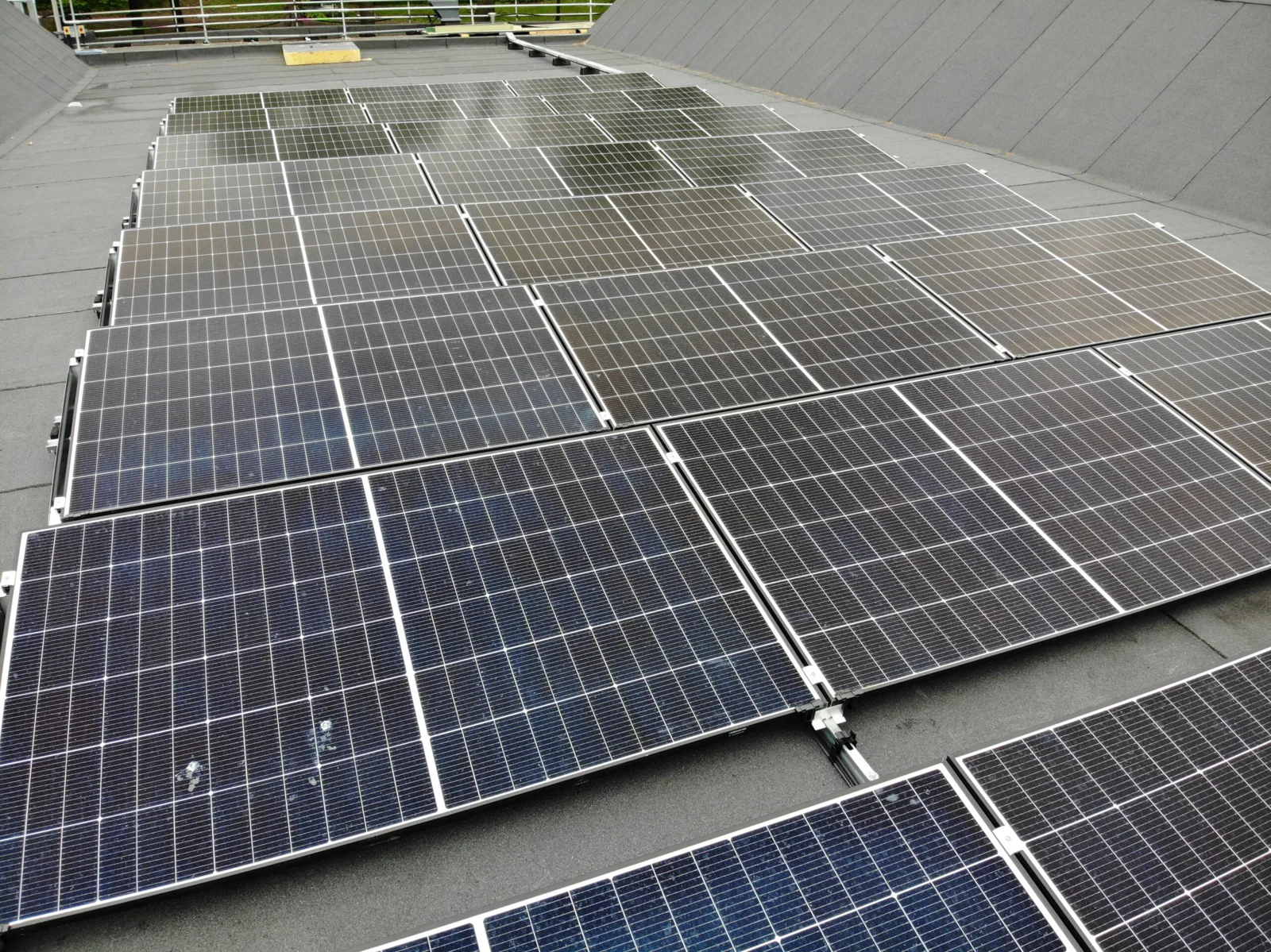
Hail Damage Roof Repair
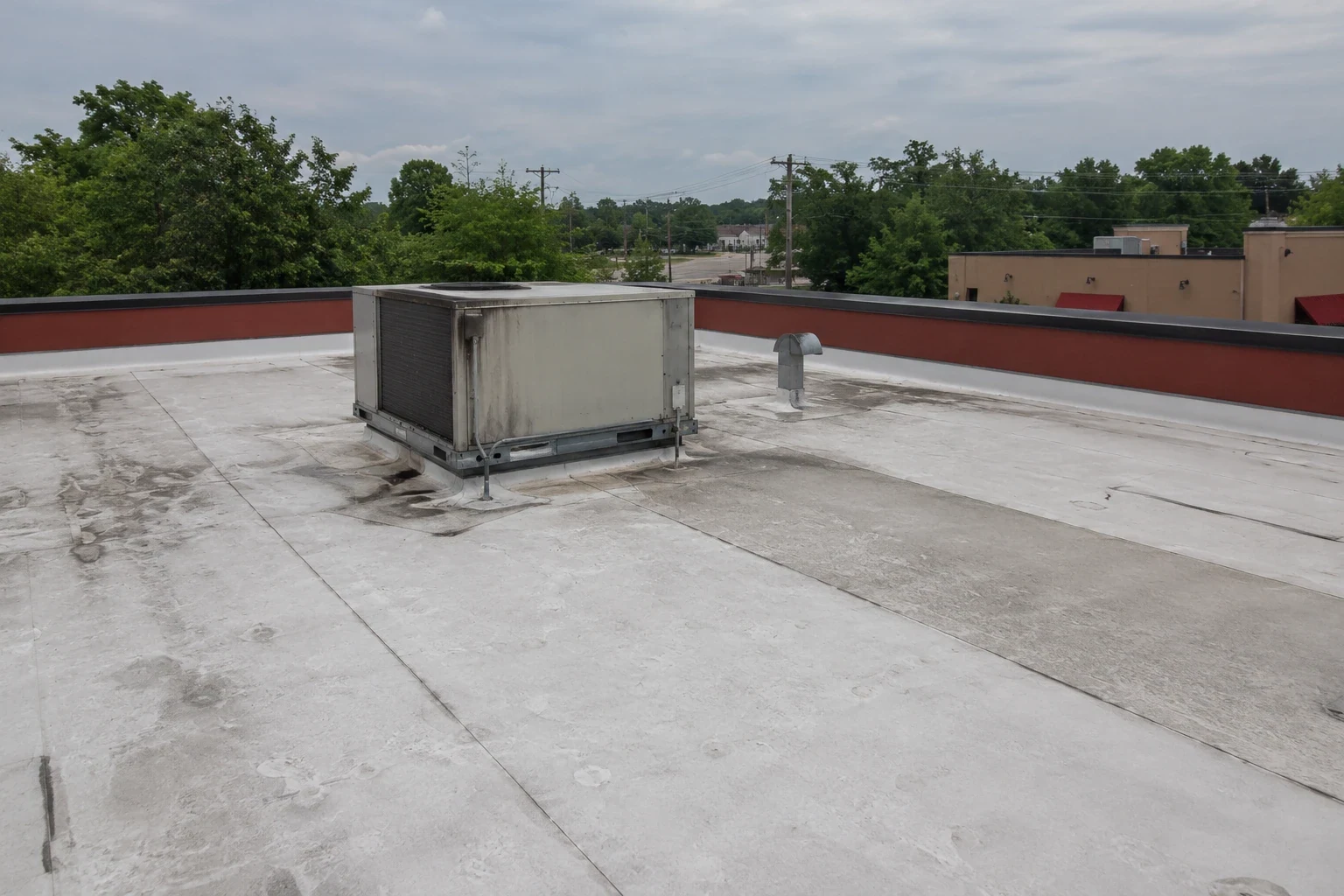
Preventive Roof Maintenance
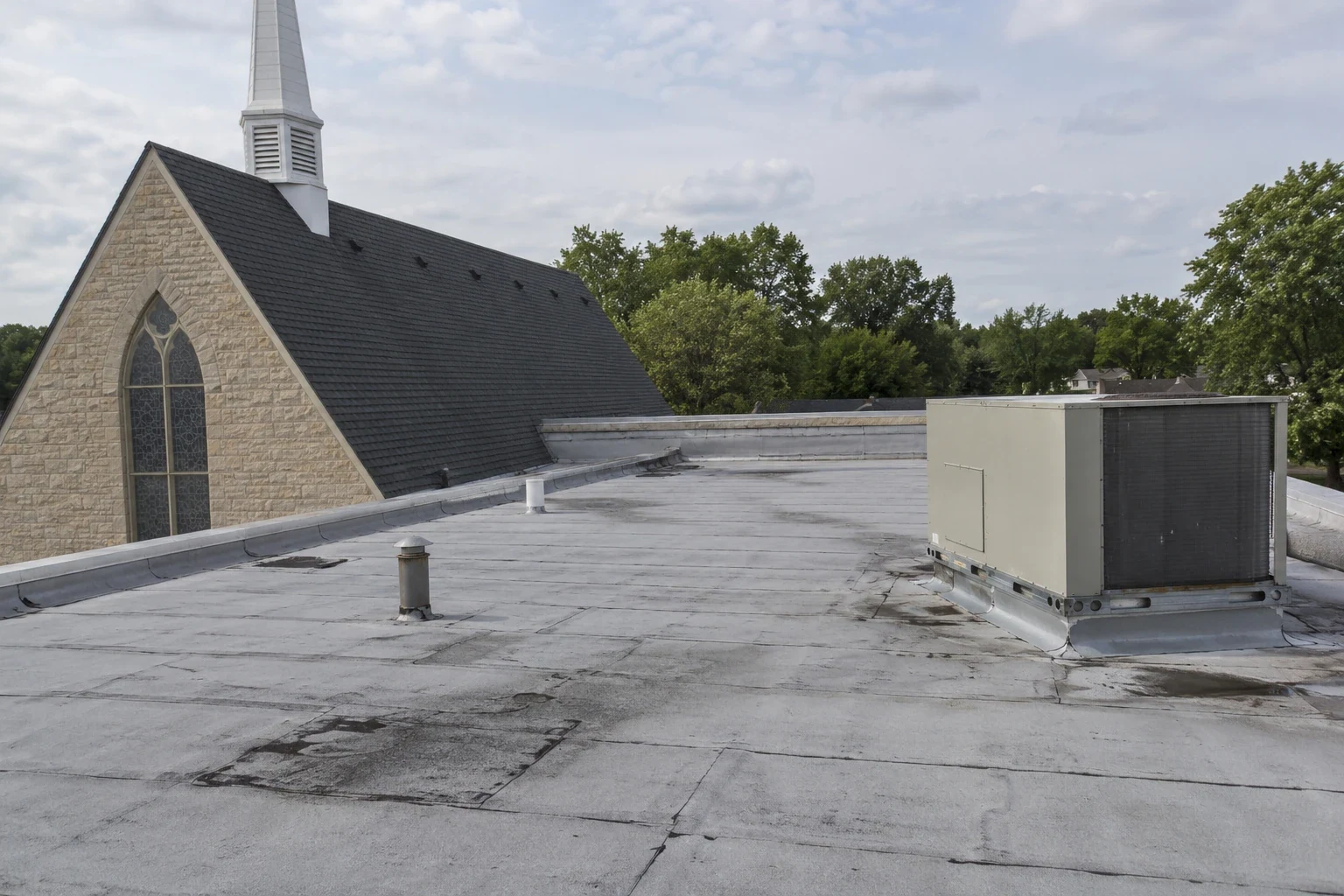
Roof Condition Reports
Carlisle SynTec Roofing Systems
Soprema Roofing Systems
Roof Warranty Management
Schedule an inspection of the roof
Send the warranty or closeout papers if you have them, and the way the roof is reached. We will inspect it and return a dated condition record with photos, findings, and recommended next steps.
