Carlisle SynTec Roofing Systems in Lewisville, TX
Home // Roofing Manufacturers //
Overview
Carlisle SynTec Roofing Systems in Lewisville
Single-ply roofs live or die at their seams, and the seam record is where a Carlisle SynTec roof is read first. The manufacturer's commercial line centers on single-ply membranes in thermoplastic and rubber families, so a walk begins by learning which one is on the deck and how its laps were joined: heat-welded, taped, or adhered. A welded seam that probes clean is an asset. A taped seam with a lifted edge is a repair item. The file records which is which, lap by lap, with a photograph for each suspect.
For Lewisville, TX owners, the useful output is a seam map, a list of flashing conditions, and a plain statement of what the next repair or inspection should address.
Membrane families: thermoplastic and rubber on the same name
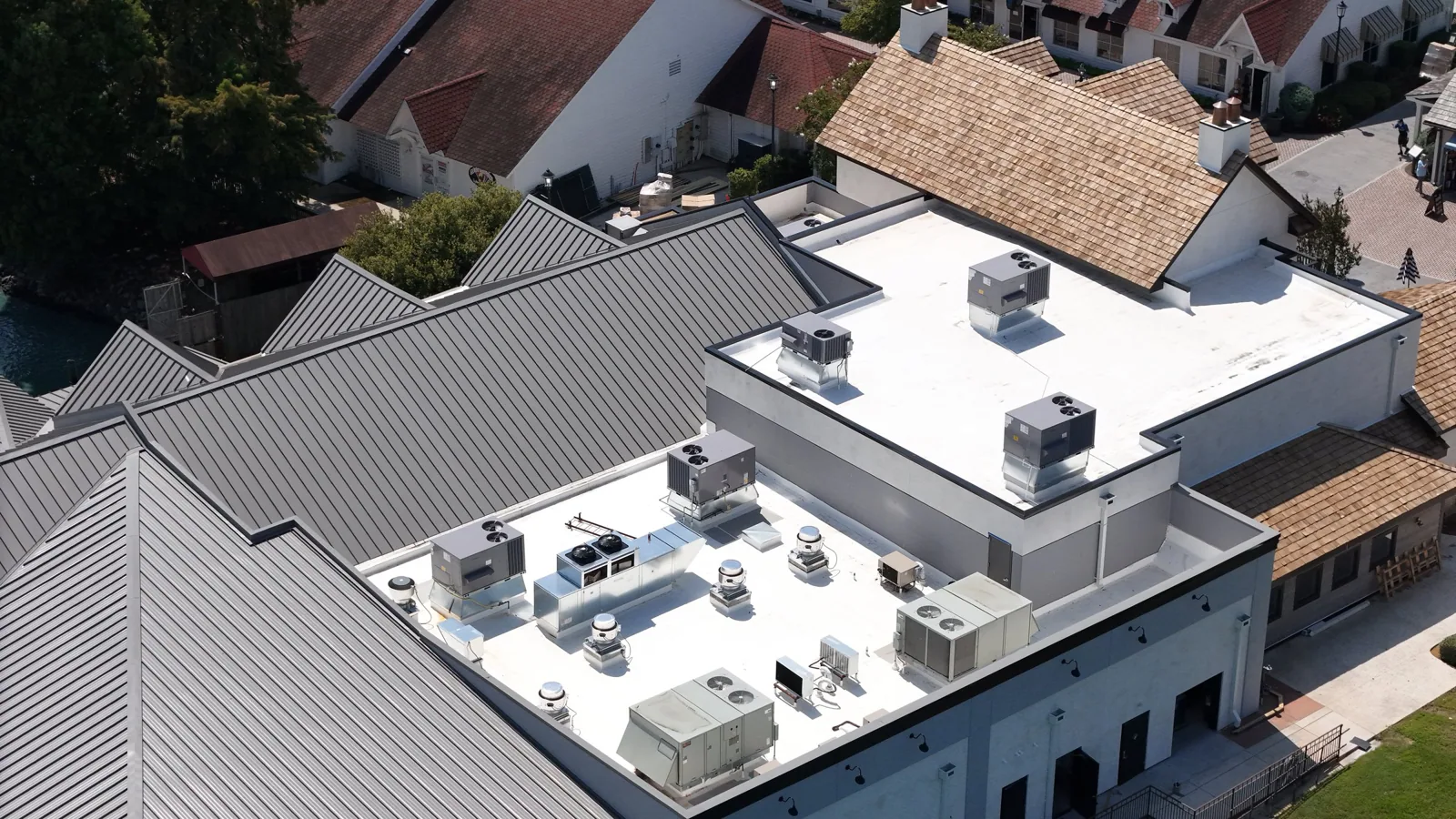
The manufacturer supplies TPO and PVC, which are heat-weldable thermoplastics, and EPDM, a cured rubber membrane joined with tape or adhesive. They behave differently under heat, ponding, and foot traffic. A TPO surface is light in color and reflects sun. A PVC surface resists many greases and chemicals. An EPDM sheet is black or light-colored and stays flexible in cold weather.
Which one is on a roof changes how it is repaired. Thermoplastics are patched with welded pieces. Rubber is patched with primed, taped, or adhered pieces. Putting the wrong repair on the wrong sheet gives a patch that looks fine on the day and peels in the first heat. Our inspection note names the family and the evidence for it before any repair is proposed.
Color and finish give clues. A bright white sheet with a smooth surface suggests a thermoplastic. A flat black or gray sheet with visible seam tape suggests rubber. Chalking, discoloration at the seams, and a rough texture all hint at age. The inspection note records the clues beside the photographs, and a core cut settles the question when the clues disagree.
Seam testing: probe, photograph, and map
A probe pass is the core of a single-ply inspection. A blunt probe is run along each lap, and any spot where it enters is marked. The depth and length of each opening go in the log. For welded seams the check includes the quality of the weld edge: a bead of melted membrane at the edge indicates a good weld, and a seam without it is suspect.
The map shows seam locations, direction, and condition. Open ends and T-joints are flagged, since most seam trouble starts there. If a pattern shows, such as openings all on one slope or all near a wall, the log says so, because a pattern points to a cause: movement, ponding, or a poor installation day. Repairs follow the cause and not only the symptom.
Attachment: fully adhered, mechanically attached, or ballasted
Single-ply membranes are held down in three ways. Fully adhered systems bond the sheet to the substrate with adhesive. Mechanically attached systems fasten it through plates or bars along the seams. Ballasted systems rest under stone or pavers. Each has its own wear signs: bubbles or lifted areas on an adhered sheet, fluttering and fastener stress on an attached one, and shifted stone or drainage blockage on a ballasted one.
Wind uplift matters most at edges and corners. We rely on the building's own design documents and the manufacturer's published attachment details for each zone. Where the edge metal or perimeter attachment looks loose, we flag it before any field repair, because a membrane torn at the edge is a larger repair than one patched in the field.
Ponding gets its own line in the record. Water that stands two days after a storm is measured for depth and traced to the cause: a blocked drain, a deck that has sagged, or insulation that has been crushed. Thermoplastic and rubber sheets handle standing water differently, so the note says which family is under the pool and whether the sheet shows wear there. A drain that can be cleared or a low spot that can be filled with tapered insulation often solves it without touching the rest of the roof.
Hail and heat on single-ply surfaces
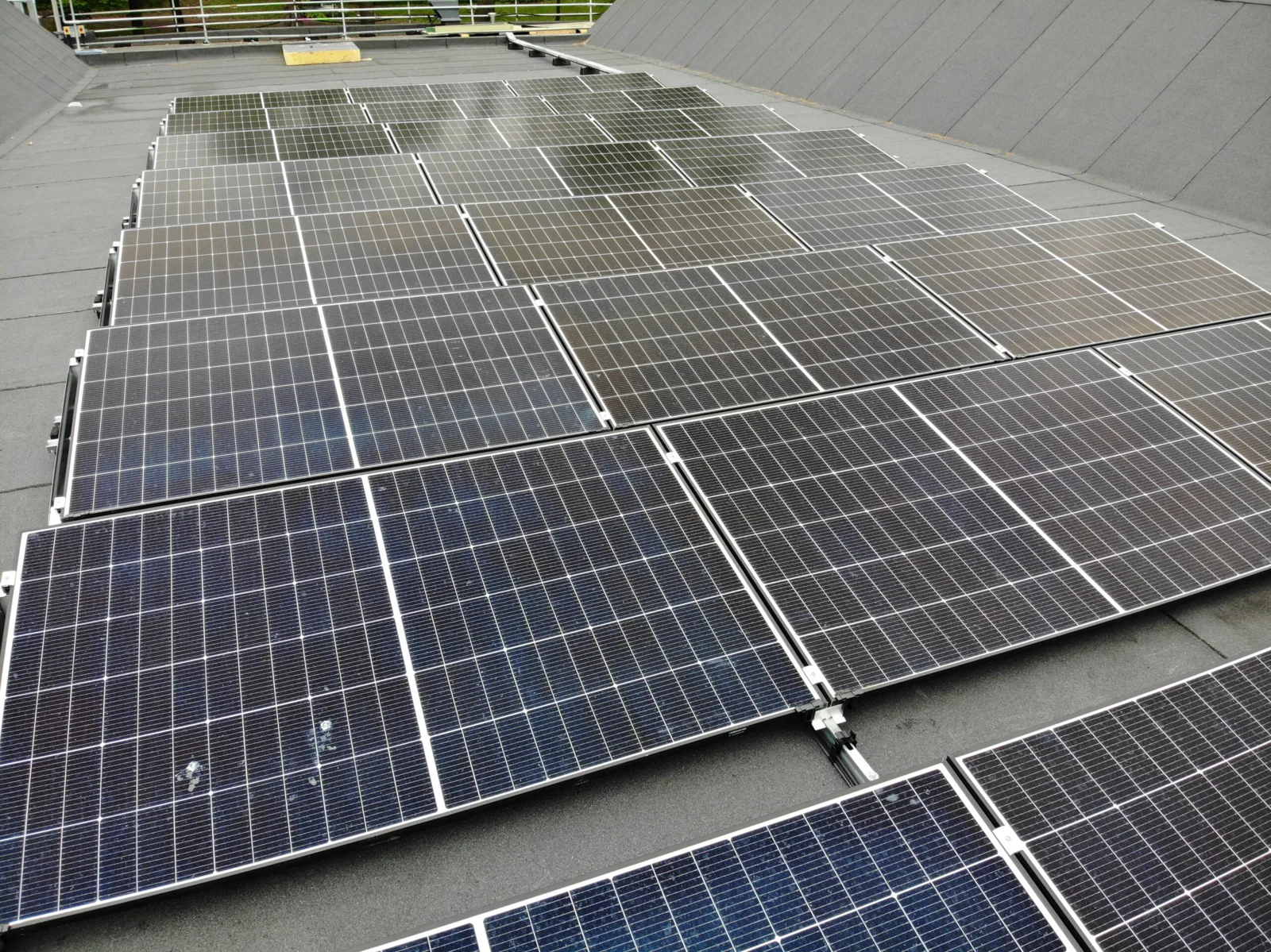
Large hail, damaging wind, flooding, and tornadoes are annual regulars across the Metroplex in the National Weather Service's account, although one address can skip a year. Hail on a single-ply roof can leave bruises that look like shallow dimples, or fractures where the sheet is thin or aged. A report is a reason to inspect, not a conclusion about a particular Lewisville roof. We photograph with a scale, test suspect spots, and separate new marks from foot-traffic scuffs.
Heat works more quietly. A midsummer afternoon near 96 degrees in the airport normals means the sheet expands every day under that sun. Movement concentrates at walls, curbs, and seam ends, so those are the first places the summer check looks. A confirmed impact becomes a scoped hail damage repair with its own photographs and test results.
After any storm that prompts an inspection, the comparison is with earlier photographs of the same zones. New marks stand out against a record, and old wear stops being mistaken for new damage. The record keeps the owner's insurance conversation tied to what the roof shows.
Related brands and roofs that mix them
Single-ply roofs from related makers can look alike. Versico offers similar membrane families, and Johns Manville and Holcim Elevate do as well. A building that has been reroofed in phases may hold sections from more than one maker. Each section is identified by evidence, and repair materials are chosen for compatibility with the sheet in place.
Where two sections meet, the transition is recorded and photographed, because adhesives and sealants that suit one family can attack another. If compatibility is unclear, a separation layer or mechanical termination is used.
The manufacturer's accessories matter too: pipe boots, corner patches, termination bars, and adhesives are made to work with the membrane. Substituting a generic part is sometimes fine and sometimes the cause of a leak. The file lists which accessories are on the roof and which were swapped in during earlier repairs, so replacements match.
Options at the end of service life
When seams fail across a zone, insulation reads wet, or the membrane has lost flexibility, the choice is between repair, coating restoration, recover, and replacement. A dry, sound single-ply may take a coating restoration. A dry roof with a modest layer count may accept a recover. Wet insulation or widespread seam failure points to replacement.
The decision file lists the evidence for each path. In Castle Hills, a planned mixed-use area that crosses into Carrollton, and in the districts around it, the access plan and tenant hours often shape the schedule as much as the membrane does.
Commercial Roofing Questions
How do I know if my single-ply seams are failing?
A probe pass finds open laps that the eye misses. Visible signs include lifted edges, wrinkles at seam ends, and stains along a lap line. The map records each one.
Can TPO and EPDM be repaired the same way?
No. TPO is heat-welded and EPDM is taped or adhered. A repair made with the wrong method fails early, so the family is identified first.
Does a membrane warranty cover hail?
Warranty terms vary and often treat hail separately from defects. Read the document and send it to us. We record the damage and leave coverage to the reader.
When is recover better than replacement on single-ply?
When moisture readings are dry, the layer count is low, and the deck is sound. Wet insulation or a thick stack of layers points to tear-off.
How often should single-ply seams be checked?
At least once or twice a year, and after major storms. The log shows how fast any opening is growing.
Related
Related Roofing Work
Hail Damage Roof Repair
Versico Roofing Systems
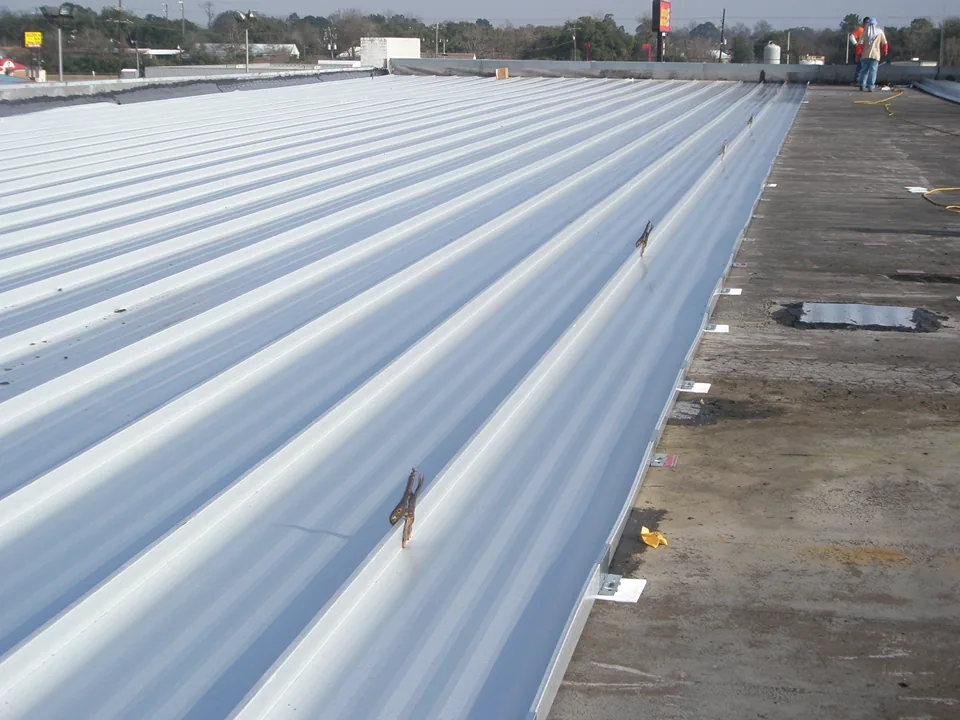
Johns Manville Commercial Roofing
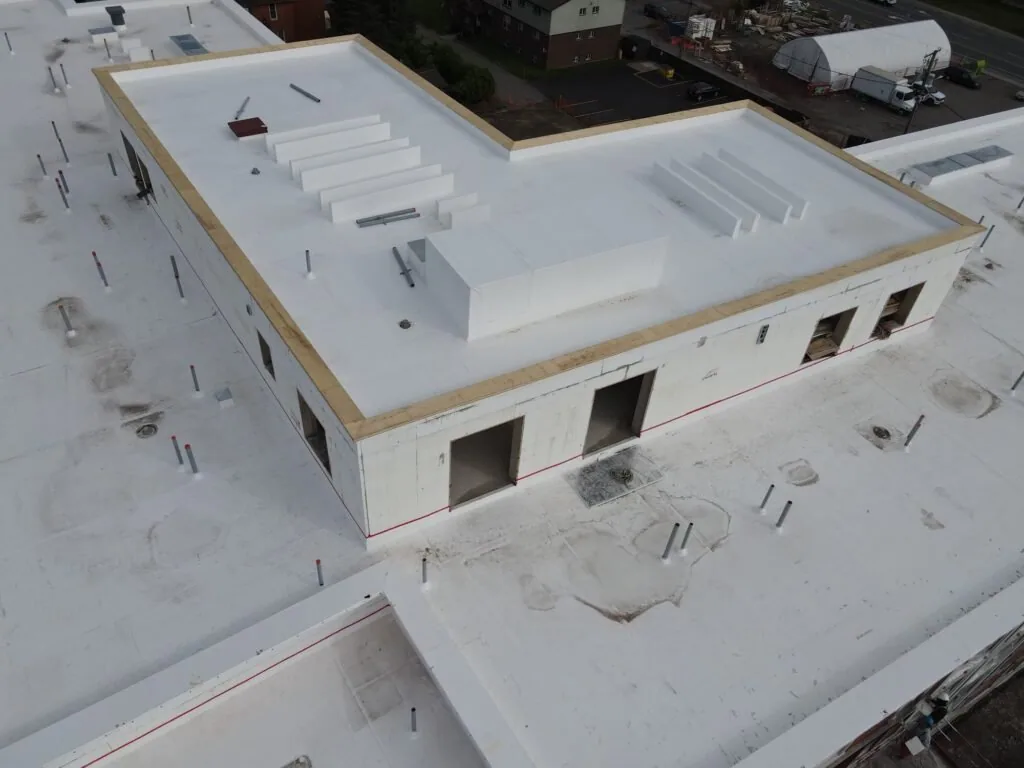
Holcim Elevate Roofing Systems
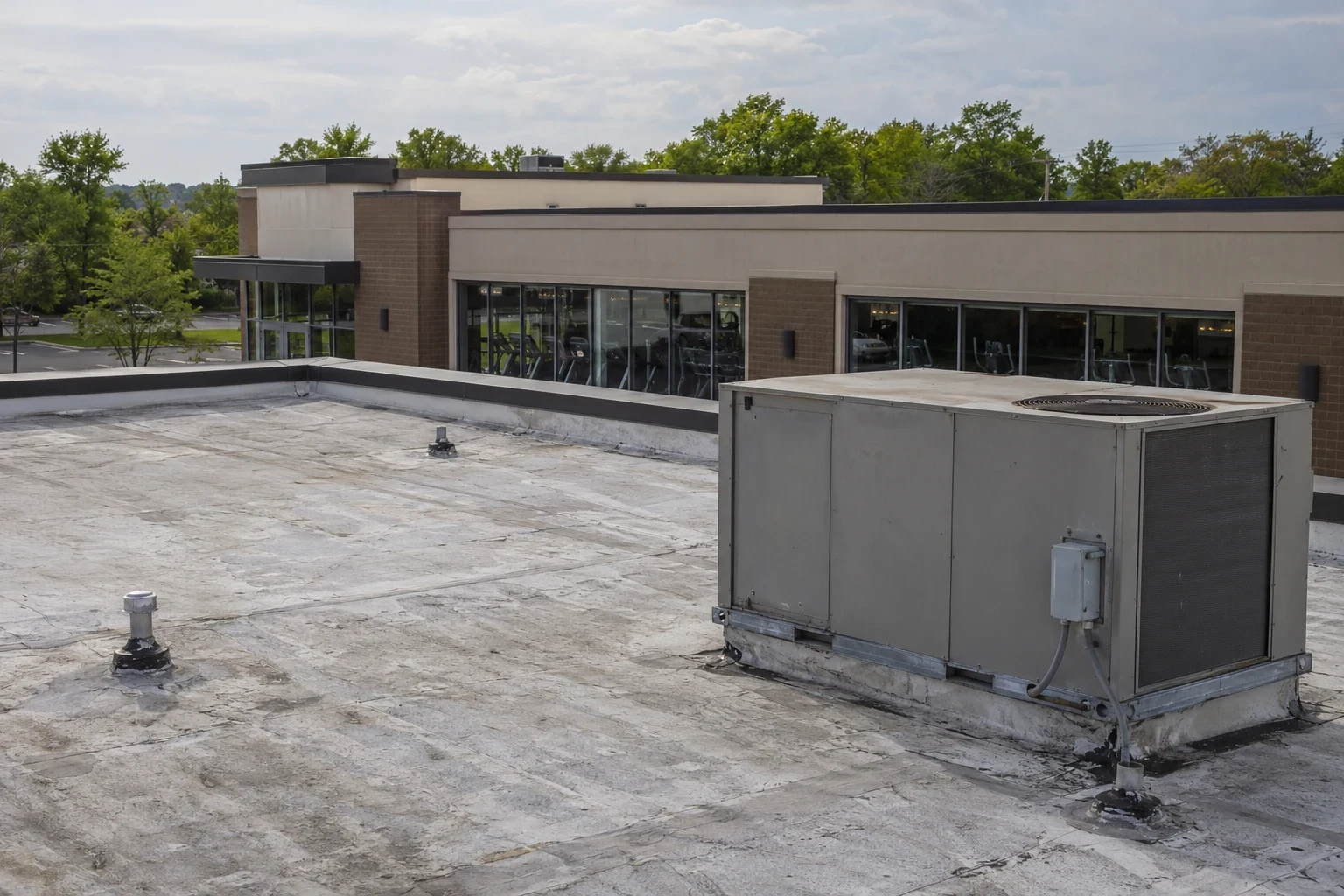
Roof Coating and Restoration
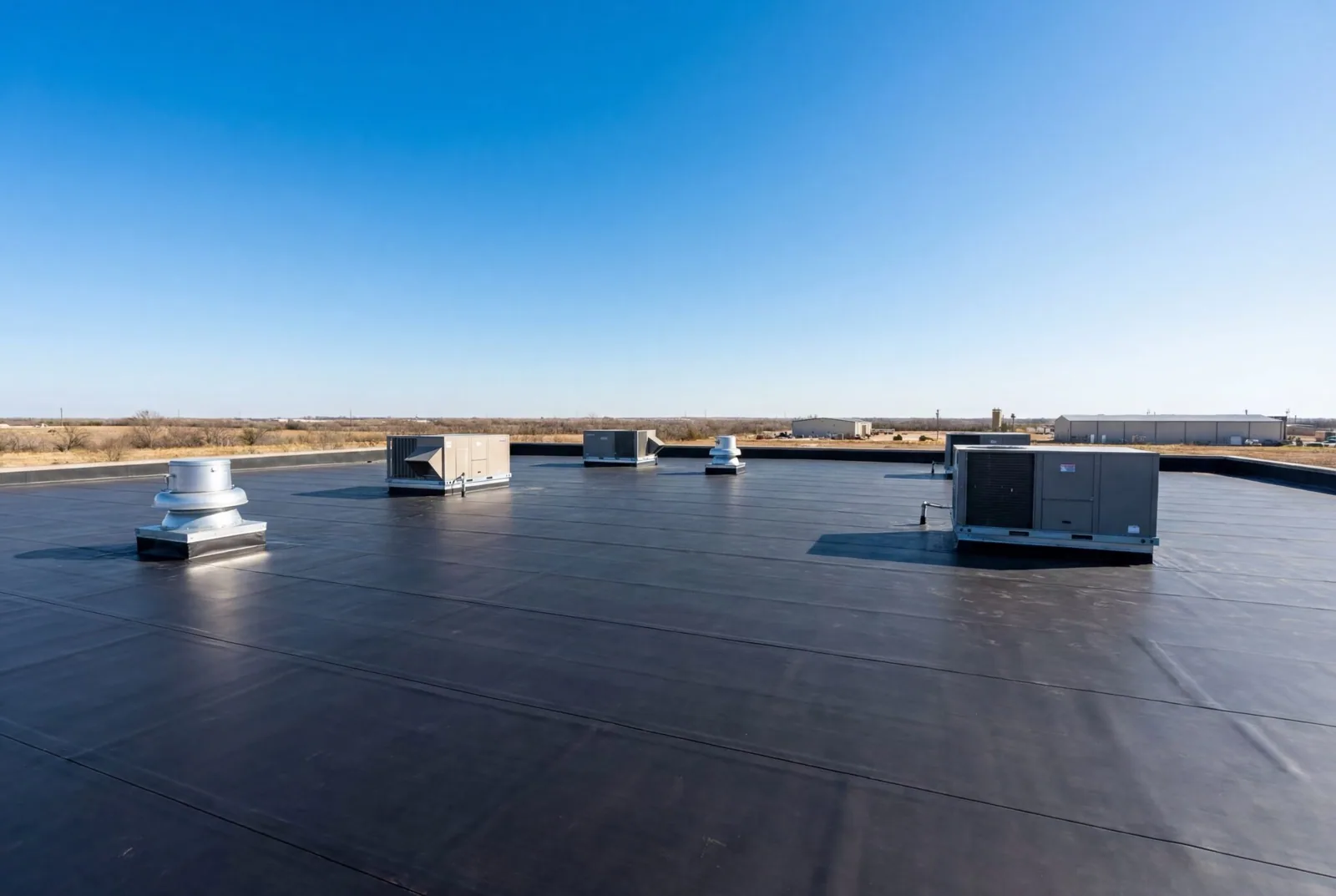
Roof Recover and Overlay Systems
Schedule a seam inspection
Send the roof plan or any warranty papers, and the way the roof is reached. We will probe the seams and return a dated condition record with photos, a seam map, and recommended next steps.