Johns Manville Commercial Roofing in Lewisville, TX
Home // Roofing Manufacturers //
Overview
Johns Manville Commercial Roofing in Lewisville
On a Johns Manville roof the membrane is only one layer of the story. The manufacturer supplies roofing membranes and also insulation boards, so a roof of this kind is often an assembly: a deck, a vapor layer if needed, polyisocyanurate or similar board in one or two layers, a cover board, and a membrane on top. Each layer has its own failure, and the roof walk has to reach below the surface to read them. A core cut, photographed beside a tape, shows the layers in order and their condition, and it is the first record in the file.
For Lewisville, TX owners, the aim is to learn which layer is working, which is not, and what repair keeps the assembly from being opened more than once.
Assembly record: layers, thickness, and what each does
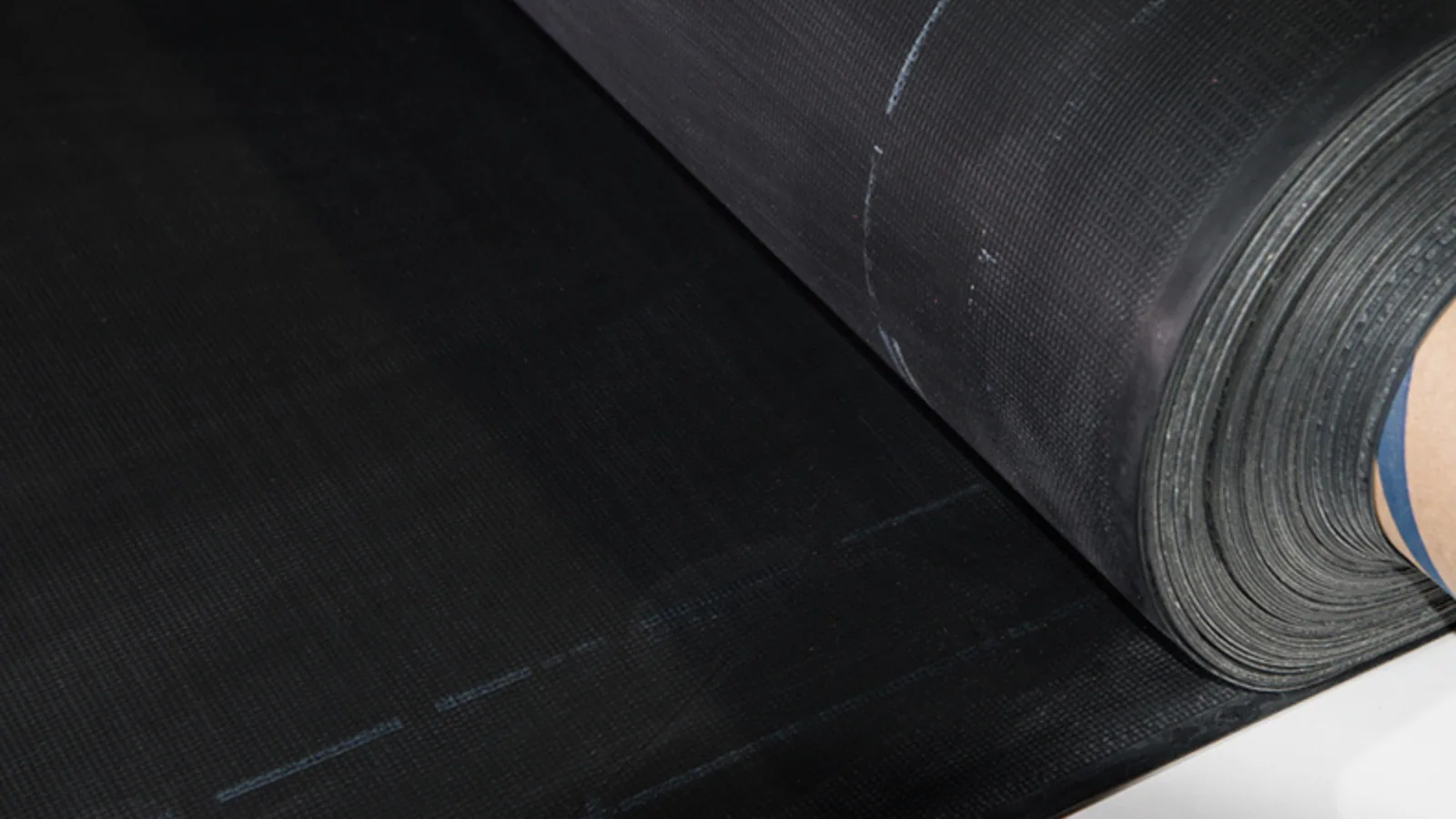
The assembly record lists the layers from the deck up: deck type, vapor control if present, insulation board type and thickness, cover board if any, membrane type, and surfacing. We write down the evidence for each entry: a core cut, a label on a board edge, a plan, or a warranty page. Where a layer is inferred and not seen, the record says so.
The record matters because layers interact. A cover board changes how a membrane is attached. Thicker insulation changes flashing heights at walls and curbs. A vapor layer in the wrong place traps moisture. When a repair or a recover is considered, the first question is what the existing layers allow, and the assembly record answers it before anyone prices a membrane.
Insulation condition: wet, crushed, or sound
Insulation fails in three ways. It gets wet from a leak or from vapor drive, it gets crushed where foot traffic or equipment bears on it, or it separates at the joints where boards shrink. Wet board loses its thermal value and holds water against the deck. Crushed board makes low spots that pond. Open joints let heat pass and can telegraph through the membrane as a line.
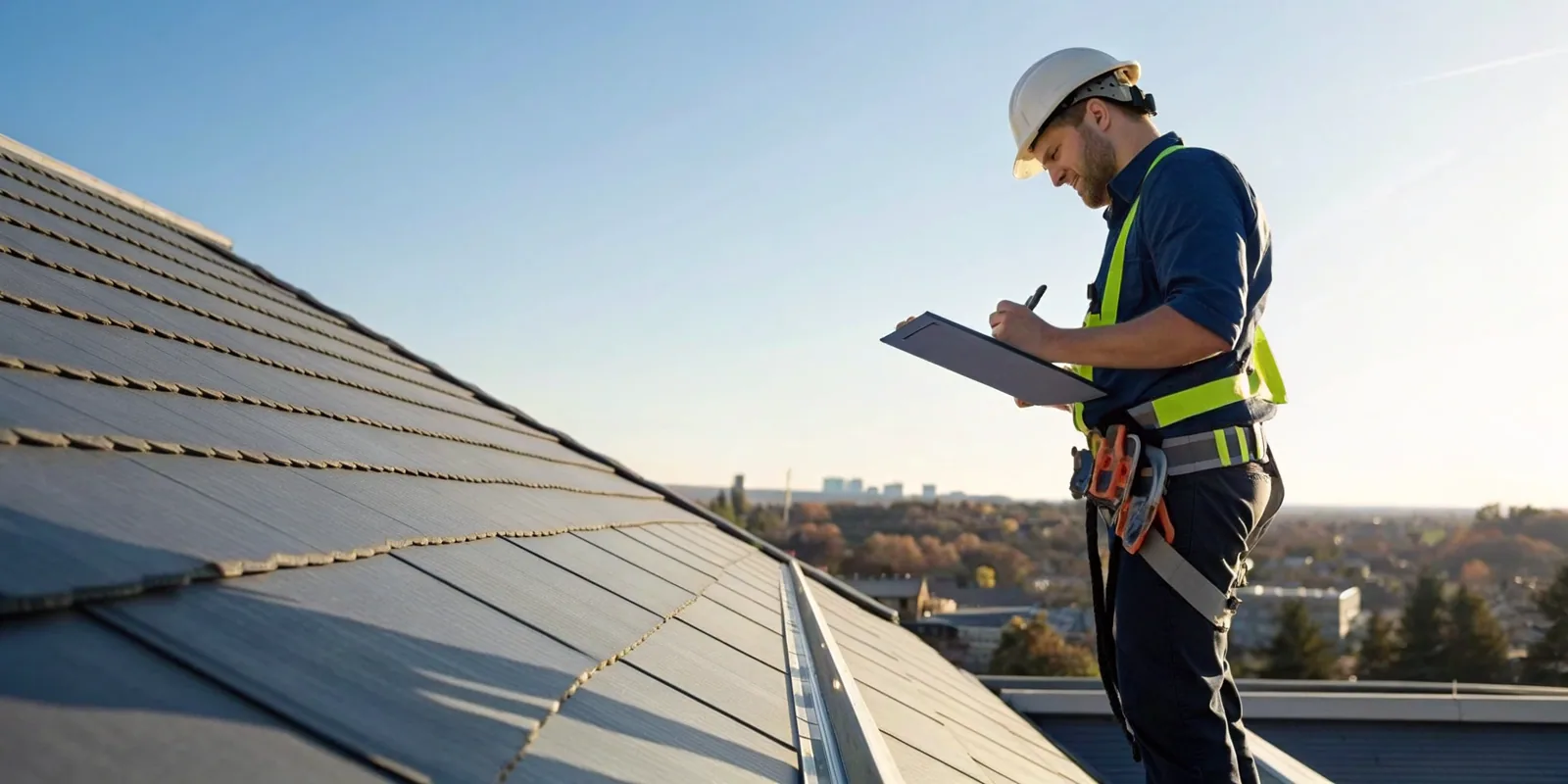
We find these with probe checks, a meter grid, and, when conditions suit, an infrared moisture survey. Core cuts confirm what the instruments suggest. The result is a map that shows which boards come out and which stay, which turns an open-ended repair into a bounded one.
Vapor movement is a second route for water. In a cooled building during a humid Metroplex summer, moist air can reach the cold side of the assembly and condense. The same happens in reverse in winter at roofs over humid spaces. We look for staining at board joints, damp facers on cores, and corrosion on deck fasteners, since each points to vapor and not to a leak. The fix is different, and so the record names the cause before it names the repair.
Cover board and hail: the layer that takes the blow
A cover board sits between the insulation and the membrane. It spreads loads, adds a firmer surface for hail to strike, and gives fasteners and adhesives something to hold. Where the National Weather Service lists large hail, damaging winds, flooding, and tornadoes as near-annual Metroplex hazards, the layer under the membrane is part of the story when impact is a concern.
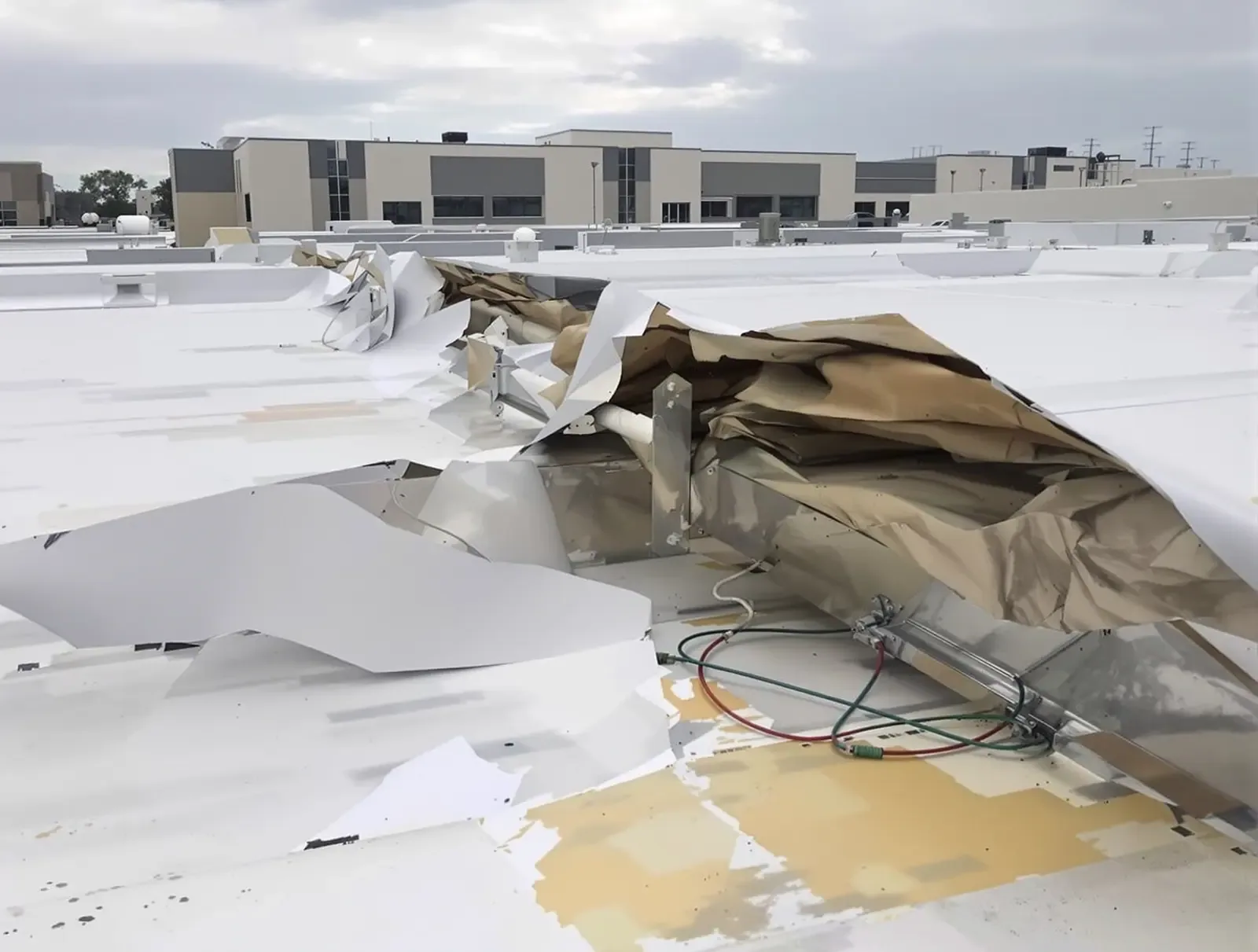
After a storm, we look for marks on the membrane and then test below them. A bruise in a membrane over a firm cover board is a different problem from the same bruise over soft insulation. The record shows which is which. A confirmed impact becomes a hail damage repair scoped to the affected layers and not only to the surface.
Membrane repair: matching the sheet in place
The membrane on a Johns Manville assembly may be a single-ply or a bituminous sheet, so repair follows the sheet. A thermoplastic is cleaned and welded. A rubber sheet is primed and taped or adhered. A modified bitumen or built-up surface takes compatible patches and reinforced flashing, with the surfacing restored.
We follow the manufacturer's published details where they apply to the roof in place, and the file records any departure with the reason. Where a detail needs the manufacturer's input, the owner is told before work starts. Patches, boots, and flashings are photographed before they are covered, since the work below the surface is the part a later reader cannot see.
Cost and timing follow the layers involved. A membrane-only repair is quick. A repair that reaches the insulation takes more time and dry weather, since the opening must be closed the same day. A repair that reaches the deck brings in a structural check. The proposal lists which of the three applies to each finding, so the owner sees how far each fix reaches before it begins.
Thermal performance and code in Lewisville
The 2021 International Building Code is among the codes Lewisville has adopted, and the exact edition and amendments for a permit are confirmed when the work is scoped. Insulation levels in a replacement or a significant recover are checked against what the permit requires, and the added thickness is checked against flashing heights and clearances.
Heat is the working climate. Summer highs in the regional normals sit near 96 degrees, and the airport counts about 20 days a year at 100 or higher. Insulation and a reflective surface work together, and a roof that runs hot loses energy to the space below. The file notes what the existing assembly provides and what a new one would add, in plain terms, without promising a savings figure.
Roofs that mix makers and ages
A building roofed in phases may combine assemblies from more than one maker. A section from Carlisle SynTec may sit beside one from Holcim Elevate, and an older built-up section may sit beside both. The transitions between them are noted and photographed.
In districts such as the Central I-35E subdistrict, where the city has an I-35E corridor overlay framework for redevelopment, a property's roof may be part of a larger change. We keep the roof record separate from any redevelopment plan, so decisions follow the roof's condition. Closeout packets list the layers, the repairs, the materials used, and the review date, and they join the condition record the owner keeps.
Across the region, owners hold roofs in many settings. Flower Mound's economic-development profile lists distribution, manufacturing, and transportation employers, and Denton identifies Westpark as an industrial zone of about 800 acres north of Airport Road. Any building in that range can be roofed in stages over the years, and each stage leaves a layer for the next inspector to read. We write the layers down so the next stage starts from knowledge.
Commercial Roofing Questions
Why does a core cut matter on an assembly roof?
It shows the layers, their thickness, and their moisture state. Surface inspection cannot. The cut is patched the same day and logged by location.
Can wet insulation be left under a new membrane?
Not if it is wet over a wide area. Water under a new sheet shortens its life and hides the problem. Wet board is cut out and replaced with dry board of matching thickness.
Does a cover board improve hail resistance?
It adds a firmer base under the membrane, which can reduce damage from impact. Results vary by system and storm, and we record what the roof shows after any event.
Will adding insulation change flashing heights?
Yes, and the scope accounts for it. Walls, curbs, and doors are rechecked, and flashings are extended where needed.
How do you handle roofs where the maker is unknown?
By identifying the layers and the membrane family from evidence and choosing compatible materials. The file records what is known and what is assumed.
Related
Related Roofing Work
Infrared and Core-Cut Moisture Surveys
Hail Damage Roof Repair
Carlisle SynTec Roofing Systems
Holcim Elevate Roofing Systems
Central I-35E
Roof Condition Reports
Schedule an inspection with core cuts
Send any roof drawings, warranty papers, and past repair records. We will inspect the roof, cut cores where needed, and return a dated condition record with photos, an assembly record, and recommended next steps.