
Holcim Elevate Roofing Systems in Lewisville, TX
Home // Roofing Manufacturers //
Overview
Holcim Elevate Roofing Systems in Lewisville
A warranty folder with the name Firestone Building Products on its cover can describe a roof from a maker that now trades as Holcim Elevate. The manufacturer changed its name, and the paperwork on a given Lewisville, TX roof may carry the old one, the new one, or both. The first task is to match the document to the roof: which membrane, which date, which installer, and which details are listed. A mismatch between the paper and the deck is common after a reroof in stages, and it is much easier to find in the first week than at the moment a leak needs a claim.
The file we build lists the name on each document, the system on each roof zone, and the evidence that connects the two.
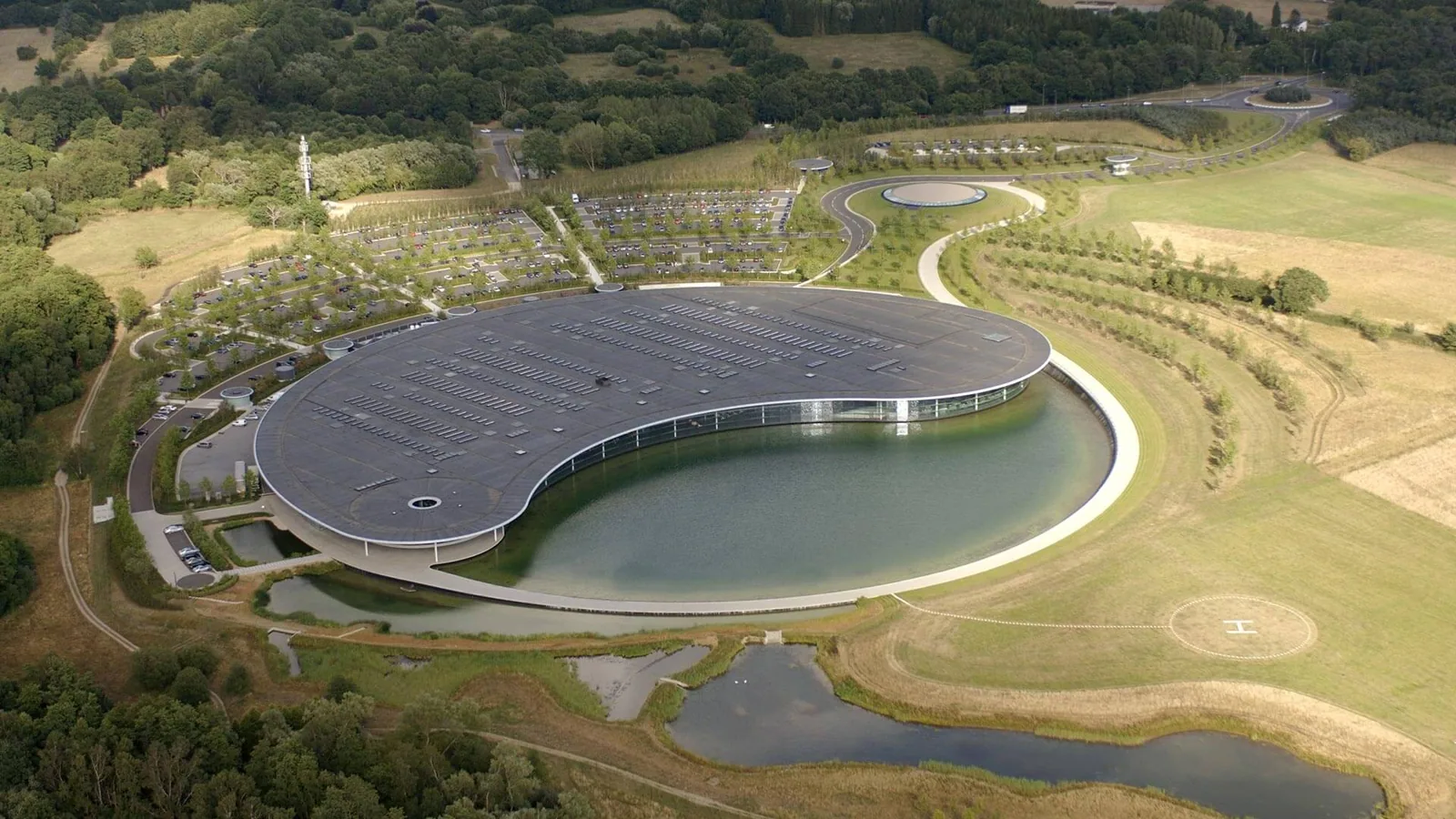
Legacy paperwork: finding the right document for the roof
We ask for the warranty, the installer's closeout papers, any inspection reports, and the roof plan. Documents under the earlier company name are treated as valid evidence of the system, and we record the date and the described scope. If the warranty names a roof area, we compare it with the measured area and note any additions since.
When the paper cannot be found, field evidence takes over: labels on accessories, stamped information on flashings, the look and thickness of the sheet, and a core cut that shows the layers. The record shows what is known, what is inferred, and what is open. An owner who later finds the original papers can update the file without redoing the inspection.
Transfer of a roof between owners adds another layer of paper. A buyer may hold the warranty under the seller's name, with notice or fee requirements that were never met. We list the status of each document in the file and flag any step the new owner still has to take, so a request for coverage later is not rejected on a technicality.
Rubber membranes in the heat: what aging looks like
The manufacturer is widely associated with EPDM, a cured rubber membrane, alongside thermoplastic and other systems. A black rubber sheet absorbs summer sun. Regional airport records put July and August highs close to 96 degrees with some twenty 100-degree days a year, and a dark sheet under that load runs hotter than the air.
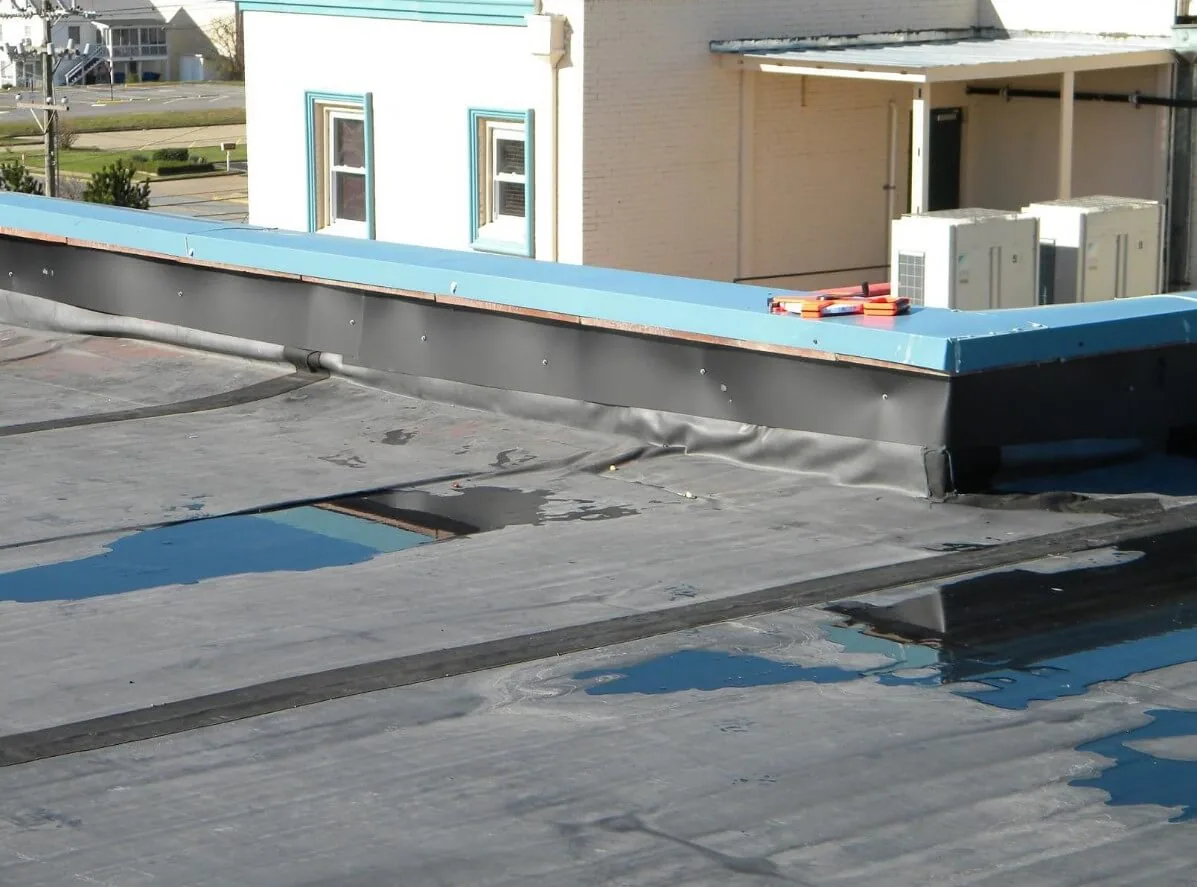
Aging shows in specific ways: shrinkage that pulls flashing away from a wall, seam tape that loses grip at its edges, surface crazing, and splits at corners. We look at each, photograph it, and probe the seams. A shrunken sheet at a curb corner is a different repair from a lifted seam, and the record keeps them separate so that the repair matches the failure.
Flashing is where rubber roofs fail first. Uncured flashing material, field-formed corners, and pipe boots all age faster than the field sheet. We check each against the sheet around it and replace those that have cracked or pulled away. Details that were made from the same material as the field are repaired in kind. Details that were added later with another product are noted, and their compatibility with the surrounding sheet is checked before any sealant goes on.
Thermoplastic and insulation lines on the same roof
The same manufacturer also supplies thermoplastic membranes and polyiso insulation, so a single roof can mix a rubber field with a welded thermoplastic flashing, or a thermoplastic sheet over board from the same line. These combinations need care at the joints between materials. Adhesives and sealants that bond one family can attack another.
Our repair choice follows the material at the point of repair. A welded patch goes on a thermoplastic sheet. A primed, taped patch goes on rubber. A cut-out for wet insulation is filled with board of matching thickness, and the membrane is closed the same day. Each step is photographed before the next layer covers it, and the closeout packet lists the materials used.
Moisture is the test that matters before any of these repairs. Rubber and thermoplastic sheets both hide wet board, and a smooth surface says nothing about what lies below. A meter grid and, where it suits, an infrared scan locate the wet zones, and core cuts confirm them. The map sets the boundary of the repair and spares dry board from being removed.
Storm response: separating the report from the roof
The National Weather Service counts large hail, damaging winds, flooding, and tornadoes among the Metroplex's near-annual hazards, with no promise that any one location is hit. A regional storm report prompts the visit; it does not describe the roof. We compare each zone with its earlier photographs and look for fresh impact marks, torn edges, and displaced flashings.
Damage on rubber looks different from damage on thermoplastic, and the record names the family beside each mark. Where damage is confirmed, the scope is bounded by moisture readings and core cuts and written so that the owner and an adjuster read the same boundary. Work that follows is documented for the warranty file and, when needed, for claim documentation.
Districts: where Lewisville roofs are growing and changing
The Northern Gateway Plan pictures a mixed-use urban village across roughly 300 acres on the west side of I-35E, with transit-oriented business and residential locations the city has described. Mixed-use and transit-oriented redevelopment is also planned around Old Town. The Denton County Transportation Authority's A-train passes through Lewisville and connects Denton County service to DART.
Development of that kind brings new roofs and changes the access around old ones. For an existing roof near the Northern Gateway, the record notes who holds access and where staging can go, and a baseline walk before nearby construction gives the owner a comparison if damage appears later.
Options: restore, recover, or replace an older system
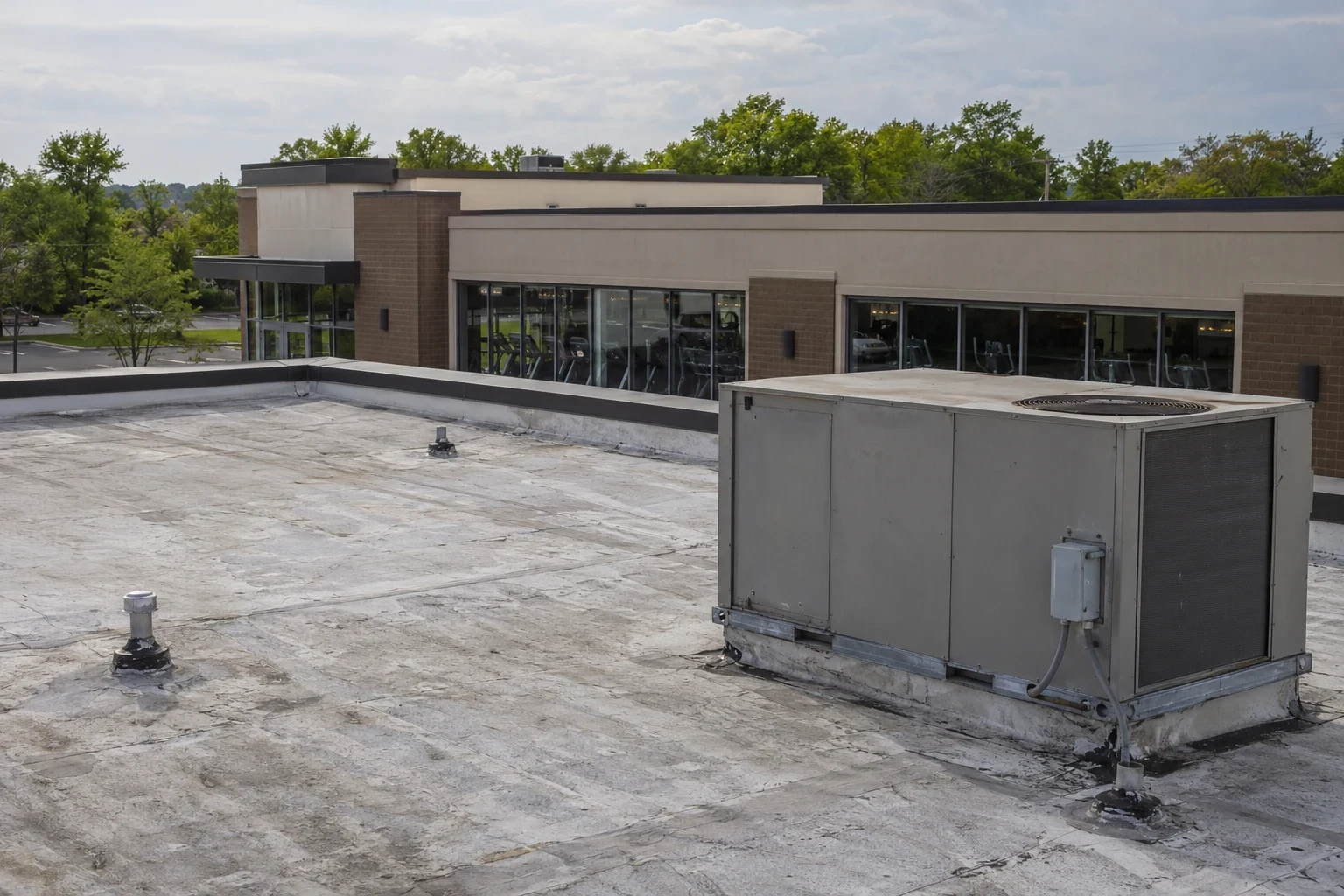
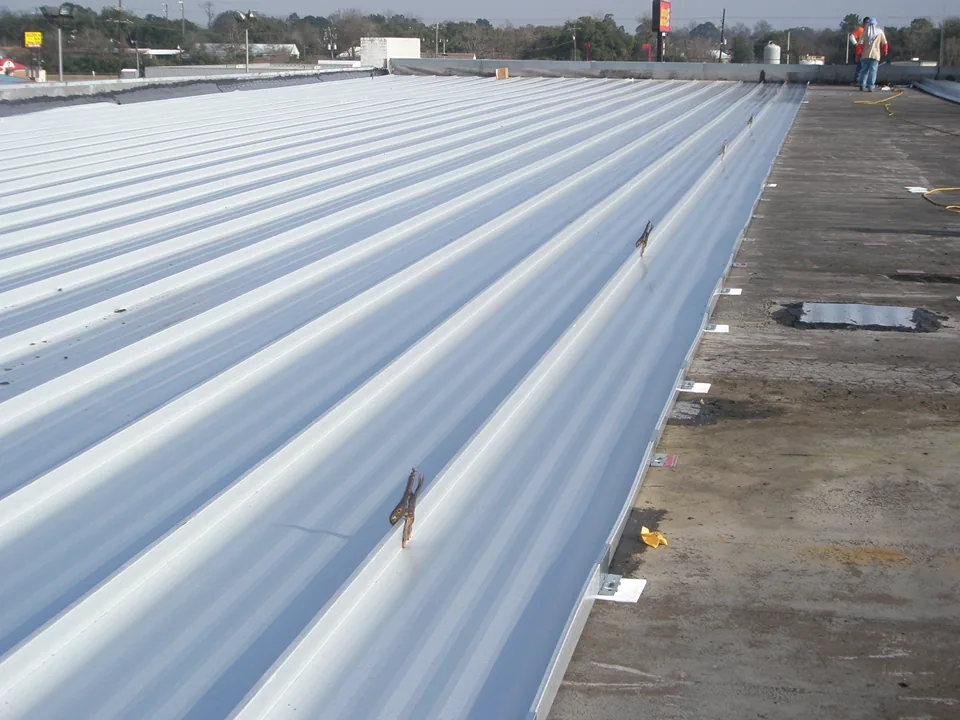
For an aging rubber or thermoplastic roof, the decision follows measured conditions. Sound seams over dry board suit a coating restoration, once the surface is cleaned and primed for the coating's chemistry. A dry roof with few layers can carry a recover. Soaked insulation or seams failing across a zone call for replacement.
The file sets the evidence for every path beside what each path leaves behind, and it dates the first review of whichever one is chosen. A roof from Carlisle SynTec or Versico gets the same treatment, so owners with mixed portfolios read their files in one format.
The review date matters as much as the choice. A coated roof is looked at after its first summer, a recovered roof after its first winter, and a repaired roof after the first major storm. Each review adds photographs and readings to the same file, so the roof's history reads in order and the next decision starts from evidence.
Commercial Roofing Questions
Is Firestone the same as Holcim Elevate?
The company that sold roofing as Firestone Building Products is now identified as Holcim Elevate. Your paperwork may carry either name, and we match each document to the roof it describes.
How does an EPDM roof show age?
Shrinkage at walls and curbs, tape that loses grip at seam edges, surface crazing, and corner splits. A probe pass and photographs record each.
Can a coating go on an old rubber roof?
Sometimes, after cleaning, repair, and a compatible primer, and only over dry insulation. An adhesion test on a small area decides it.
What if the warranty is under the old company name?
It is still evidence of the system and its dates. We record it and match it to the roof. The warranty terms govern coverage.
Do you work on roofs with more than one system?
Yes. Each zone is identified and repaired with materials suited to it, and the transitions between zones get their own detail and photographs.
Related
Related Roofing Work
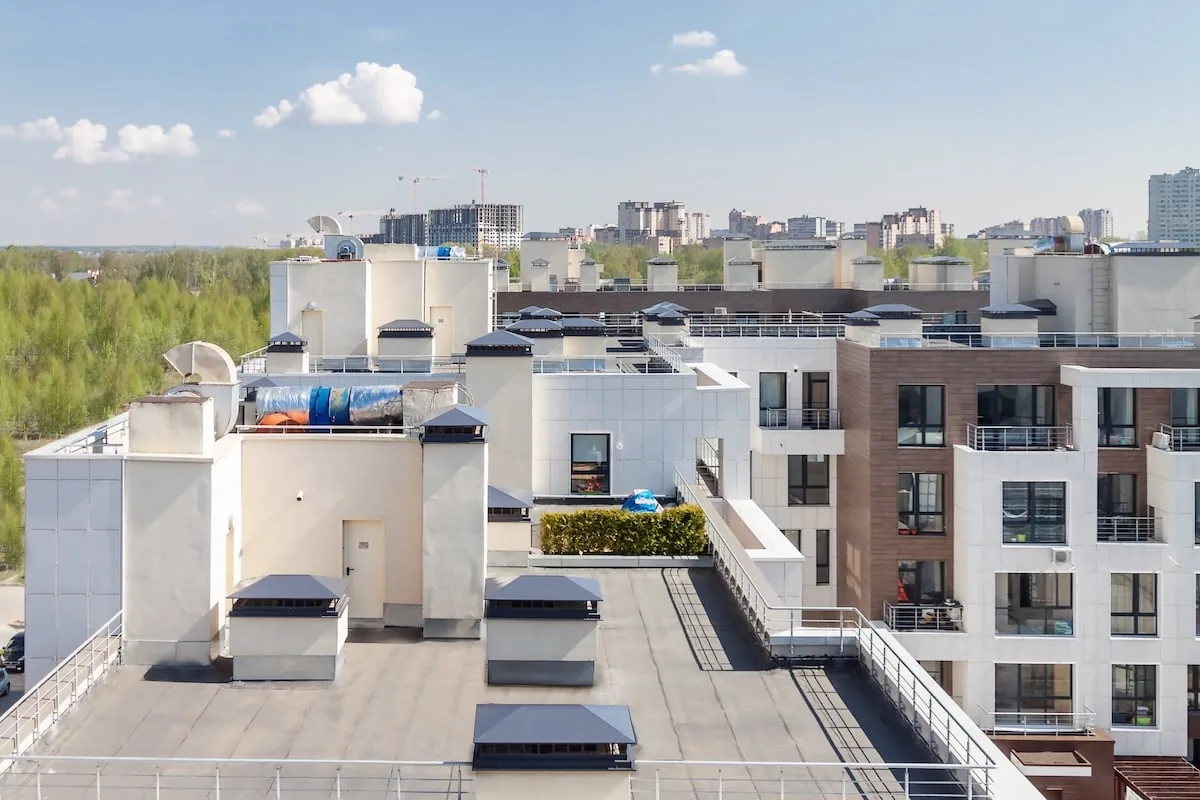
Roof Warranty Management
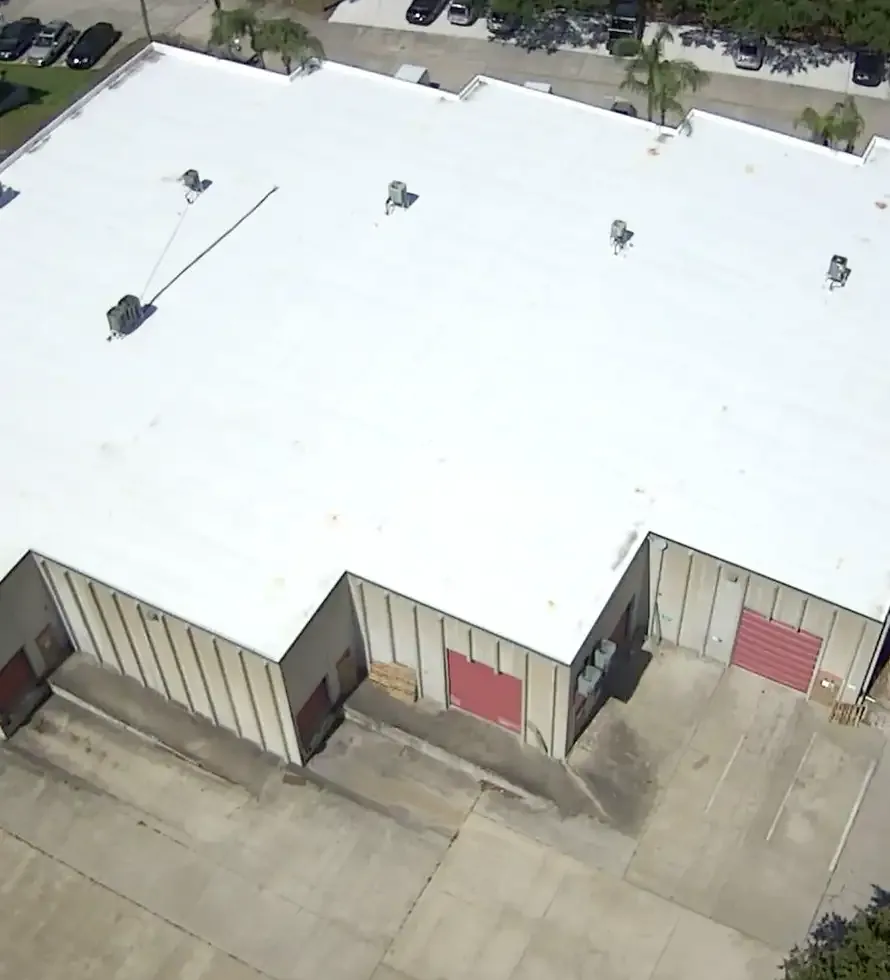
Roof Insurance Claim Assistance
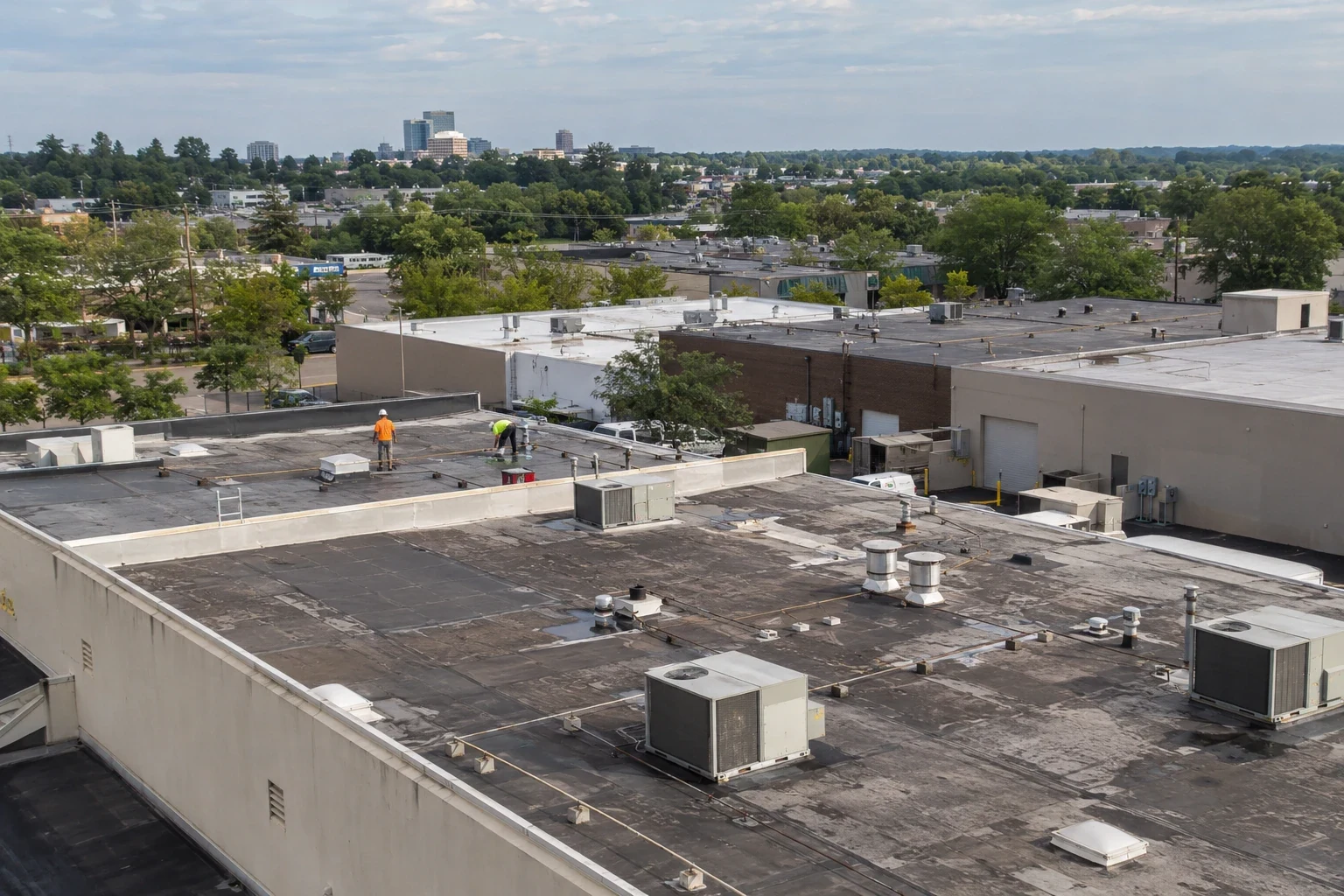
Old Town
Northern Gateway
Roof Coating and Restoration
Roof Recover and Overlay Systems
Send the warranty folder, whatever name is on it
Send the warranty or closeout papers and the way the roof is reached. We will inspect the roof, match the paperwork to what is on the deck, and return a dated condition record with photos, findings, and recommended next steps.
