
Soprema Roofing Systems in Lewisville, TX
Home // Roofing Manufacturers //
Overview
Soprema Roofing Systems in Lewisville
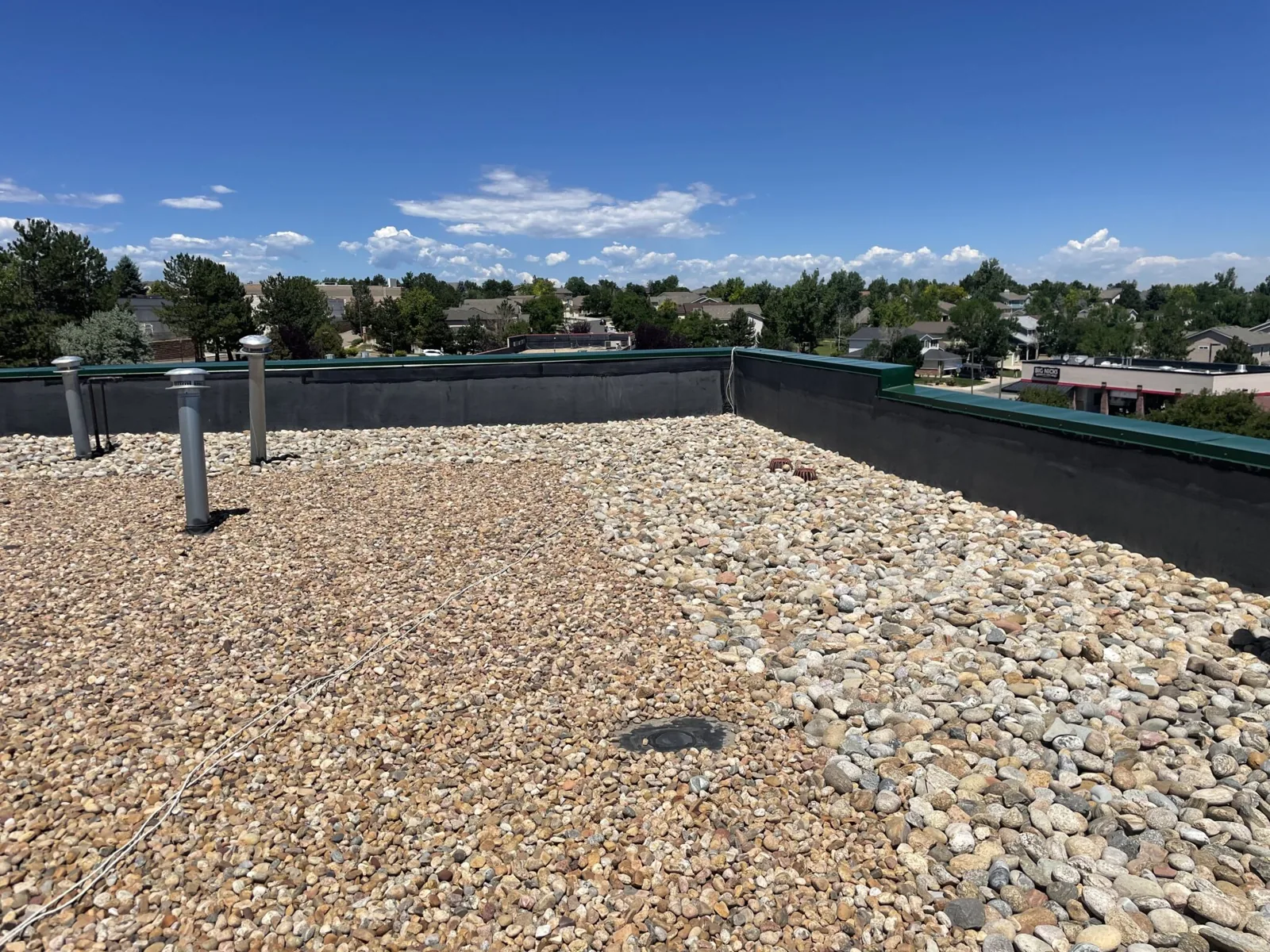
On a modified bitumen roof, the granules are the first record. Pick up a handful from a downspout or a drain bowl and the roof reports its own wear: a light scattering is normal, a heap means the cap sheet is losing the layer that shields the asphalt from sun. A Soprema roof is often of that kind, because the manufacturer is known for modified bitumen sheets, liquid-applied membranes and flashing resins, and insulation. The walk records which of those is on the deck and in what condition, with a photograph of the surface at each roof zone and a note on any bare mat showing through.
For Lewisville, TX owners, the file separates surface wear from membrane failure, and it chooses repairs that suit the sheet.

Cap sheet condition: granules, laps, and blisters
A modified bitumen assembly usually has a base sheet and a cap sheet, joined by torch, hot asphalt, cold adhesive, or self-adhesion. The cap sheet is surfaced with mineral granules that reflect sun and protect the asphalt. We look at granule loss, at laps for open edges, and at the surface for blisters, ridges, and splits.
Each defect is photographed with a scale and marked on the plan. Blisters are pressed to see whether they hold air or water; a water-filled blister points to moisture in the assembly and is flagged for a moisture reading. Splits are measured and probed. Open laps are repaired by re-adhering and sealing, and the restored area is surfaced so the repair does not become a point of sun damage.
Laps and flashings on a bituminous roof are checked by pressure and by eye. A lap that lifts under a gloved finger has lost its bond. A base flashing that has slipped down a wall leaves a gap at the top that wind-driven rain finds. We note slip distance in inches and photograph it against a fixed reference, so the next visit shows whether the slip is still moving.
Liquid-applied details: where a resin beats a cut sheet
Details are where bituminous roofs leak: pipe clusters, curb corners, drain rims, and wall terminations. A liquid-applied flashing resin, reinforced with fabric, can wrap a shape that a cut sheet cannot follow. It cures into a continuous layer that sticks to a range of substrates when properly prepared.
Preparation decides the result. The surface must be clean, dry, and compatible, and the resin has a cure time that has to fit inside a dry weather window. We schedule resin work against the forecast, record the temperature and humidity, and photograph each coat. When a liquid detail meets a sheet, the junction is lapped and the overlap is photographed, since that line is where a later leak is most likely to appear.
Drain rims deserve their own mention. Where a membrane meets a drain bowl, the clamping ring and the sheet around it must lie flat and bonded. A resin collar around the rim can restore a seal where the sheet has curled. The drain is tested with water before and after, and the result goes in the log.
Hot work and cold-applied options
Torch-applied systems use open flame on a roof, and the building's fire safety rules govern when and where that can happen. The plan identifies combustibles near the work, sets fire watch periods after the torch is out, and confirms with the property manager what is allowed. Some buildings prohibit open flame altogether, and a cold-applied or self-adhered system is the alternative.
The choice between methods is made on the roof's conditions, the building's rules, and the weather. Cold-applied adhesives need clean, dry surfaces and temperatures within range; self-adhered sheets need the same and a primed substrate. The scope states the method and the reason, and the closeout file shows the fire-safety steps taken.
Weather windows differ between methods. Torch work tolerates cooler air than adhesives do, while cold-applied products want warmth and dry surfaces. The schedule lists the minimum temperature for each product and the forecast on the day, and the foreman records both. If the window closes, the work stops at a watertight tie-in and resumes the next dry day.
Hail on bituminous surfaces
Among the hazards the National Weather Service lists for the Metroplex nearly every year are large hail, damaging wind, flooding, and tornadoes, though any single property may not be affected. A report is a reason to inspect and not a finding about a particular Lewisville roof. On a granule-surfaced cap sheet, hail shows as bruising, granule displacement, and sometimes a fracture of the mat beneath.
We photograph the pattern across each zone with a scale in the frame, then test suspect spots to see whether the mat is cracked. New impact marks look different from old granule wear, and the record keeps them apart. A confirmed impact is scoped as hail damage repair to the layers that were hit.
Summer heat and thermal movement
Climate normals recorded at the regional airport average midsummer highs near 96 degrees and about 20 days a year of 100 or more. Asphalt softens in that heat, and a bituminous roof moves with it. Ridges and slippage show up at laps and near walls, and granules loosen under foot traffic.
The summer visit checks those movement signs, looks at walkway wear, and clears debris from drains. If traffic paths are worn to the mat, walkway pads are proposed. The record compares each zone with earlier photographs, so a ridge that has grown or a lap that has opened shows against the file.
Foot traffic accelerates the damage. Technicians servicing rooftop units walk the same paths all year, and on a softened cap sheet those paths wear down to the mat. A walkway pad costs little compared with the sheet beneath it, and the record shows where one belongs.
Neighbors, mixes, and end-of-life choices
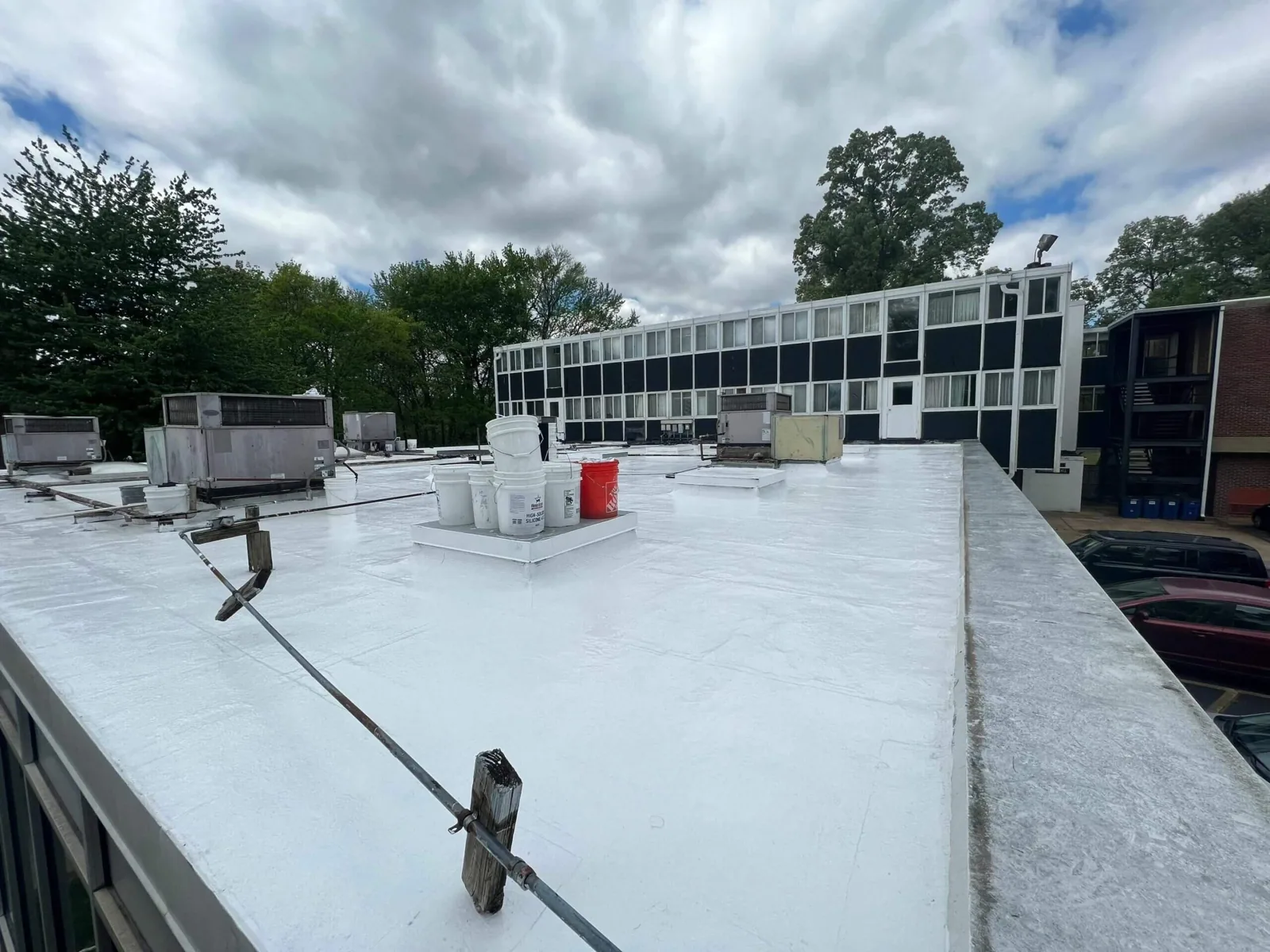
Bituminous roofs often sit beside single-ply sections from makers such as GAF or Johns Manville, and the transitions between them are recorded and photographed. When a modified bitumen roof reaches the end of its life, owners weigh a coating restoration over a dry, sound surface, a recover, or replacement.
In the Southern Gateway, where a city plan guides mixed-use investment at SH 121 and I-35E, and in other districts, the access plan and tenant hours shape the schedule. The decision file lists the evidence for each path and the review date for whatever is chosen.
Whichever path is chosen, the closeout packet lists the layers added or removed, the products and batch numbers where available, the weather on each work day, and photographs of every detail before it was covered.
Commercial Roofing Questions
Is granule loss on a cap sheet a sign of failure?
Some loss is normal. Heavy loss that exposes the mat means the asphalt is unshielded and aging fast. The record shows how much and where.
Can a modified bitumen roof be coated?
Sometimes, if it is dry, sound, and clean. An adhesion test on a small area decides it, and moisture readings come first.
Why do some buildings forbid torch work?
Open flame near combustibles carries fire risk. Cold-applied or self-adhered systems avoid it, and the scope states which method fits the building.
When is a liquid flashing the better choice?
At crowded or irregular details that a cut sheet will not follow. It needs a clean, dry, compatible surface and a dry weather window.
How do I tell hail damage from age?
By pattern and testing. New impacts bunch together with crisp edges; age wear is wider and softer. We photograph and test first.
Related
Related Roofing Work
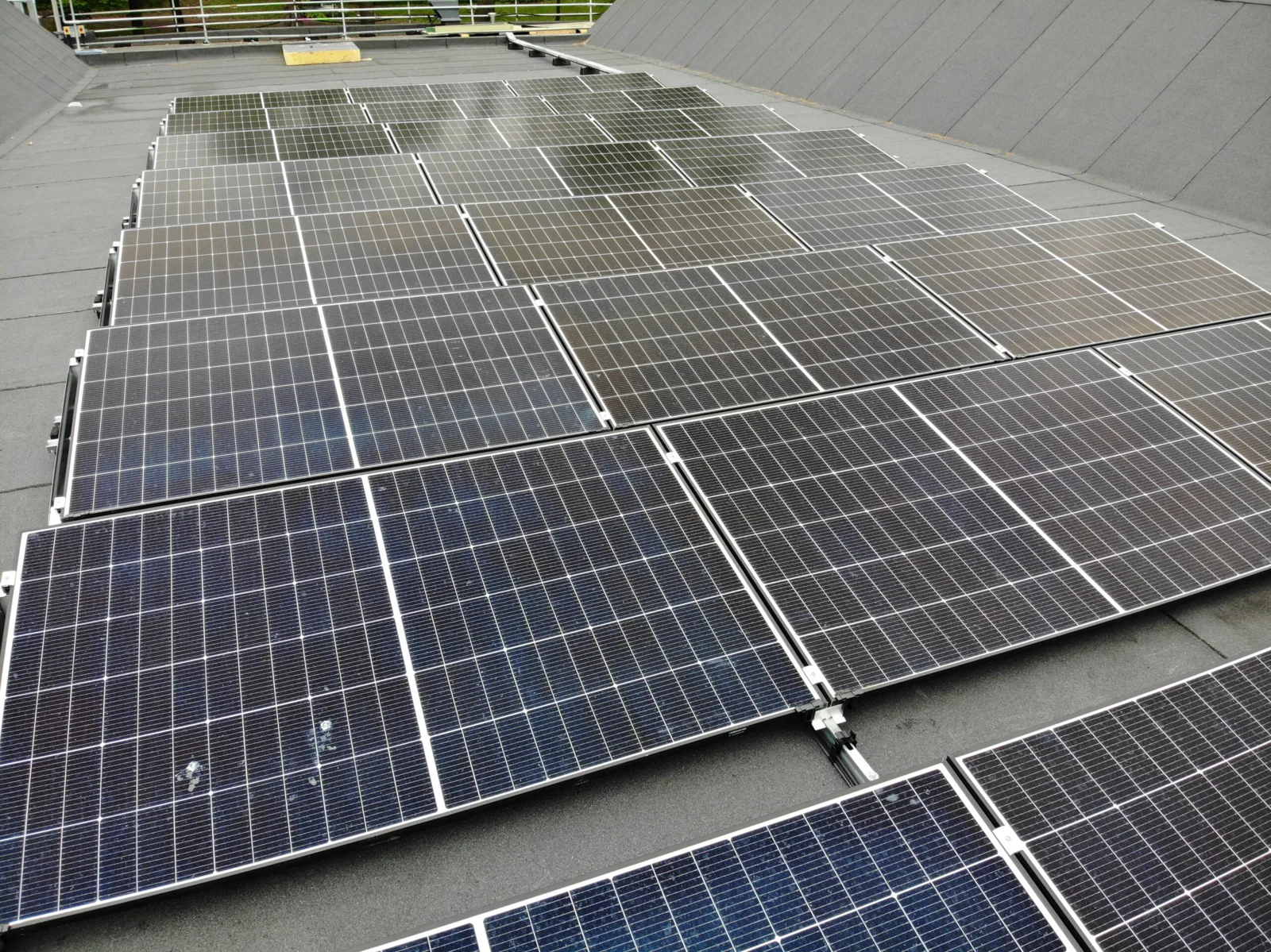
Hail Damage Roof Repair
GAF Commercial Roofing Systems
Johns Manville Commercial Roofing
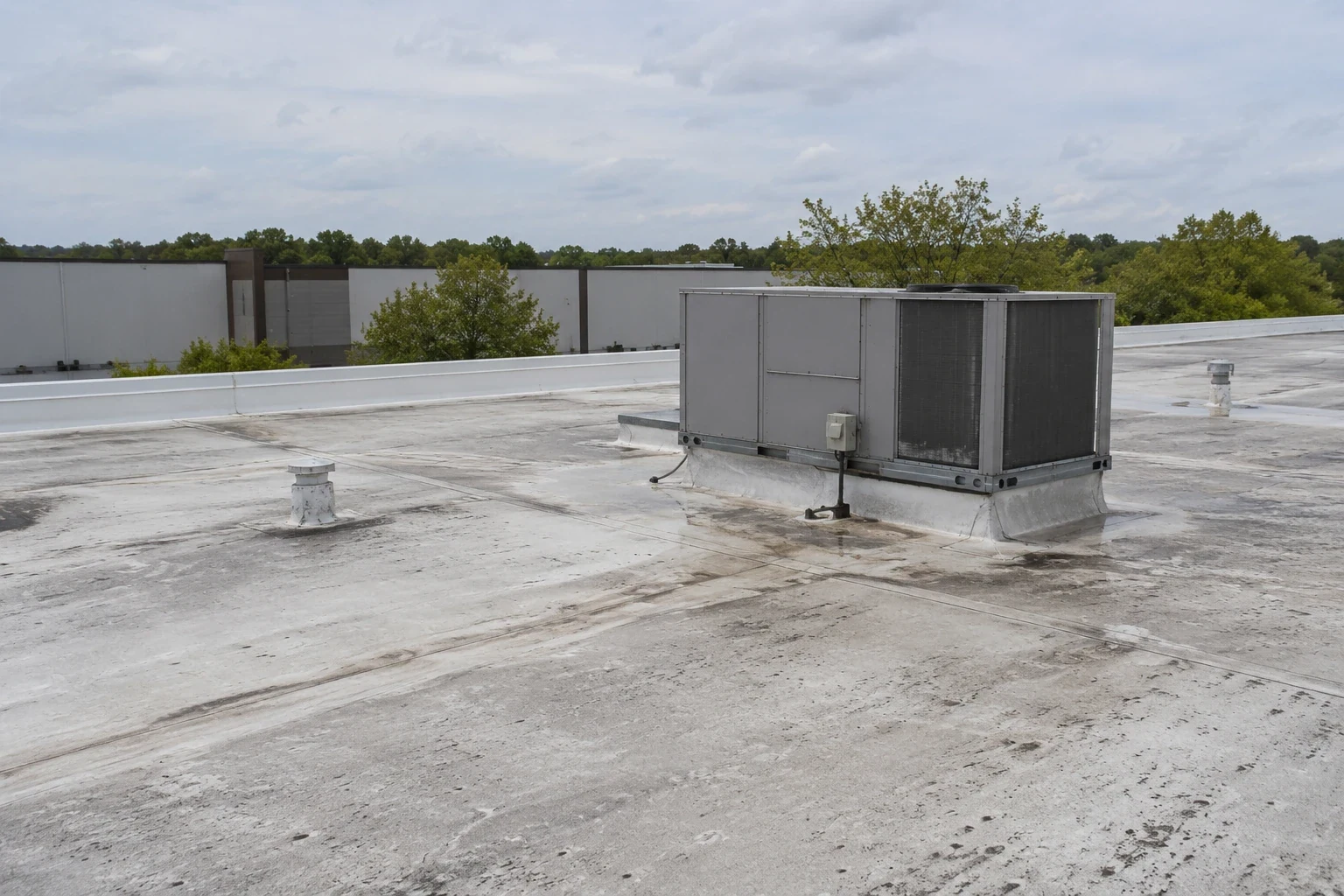
Roof Coating and Restoration
Roof Recover and Overlay Systems
Commercial Roof Replacement
Schedule a cap sheet inspection
Send any warranty papers, roof plans, and the way the roof is reached. We will inspect the roof and return a dated condition record with photos, findings, and recommended next steps.
