
Sika Sarnafil Roofing Systems in Lewisville, TX
Home // Roofing Manufacturers //
Overview
Sika Sarnafil Roofing Systems in Lewisville
A weld probe is the first tool out on a Sika Sarnafil roof. The manufacturer is best known for thermoplastic single-ply membrane, PVC in particular, and its seams are joined by hot-air welding. A good weld shows a clean, continuous edge and resists a probe pushed along it. A cold weld looks the same from a standing height and opens under the tip. The inspection walks every seam with the probe and logs each opening by location and length, with a photograph, so the owner sees the real state of the roof and not its surface.
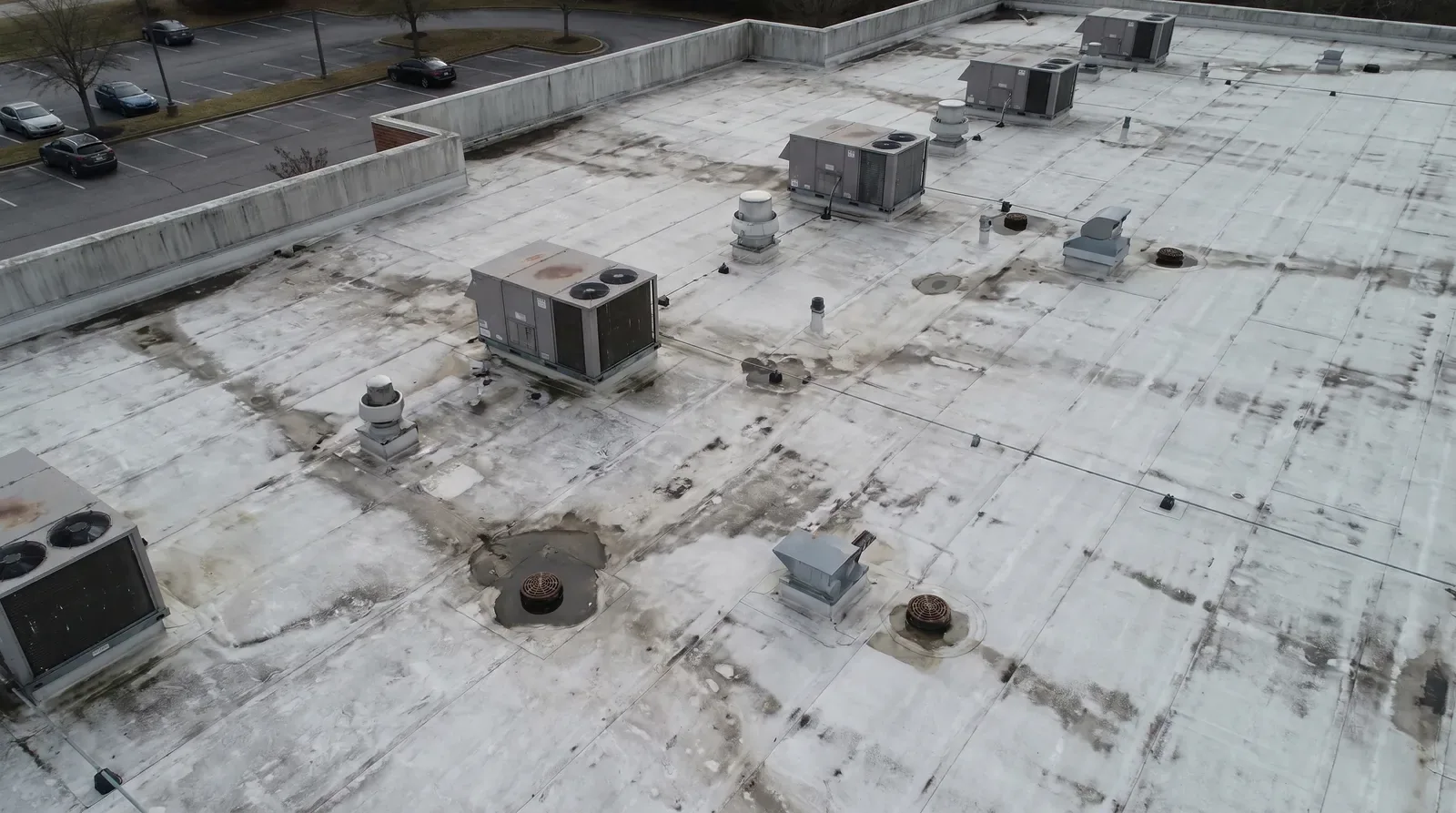
For Lewisville, TX properties, the work also covers what the roof is exposed to: exhaust, grease, chemical vapors, standing water, and Metroplex sun.
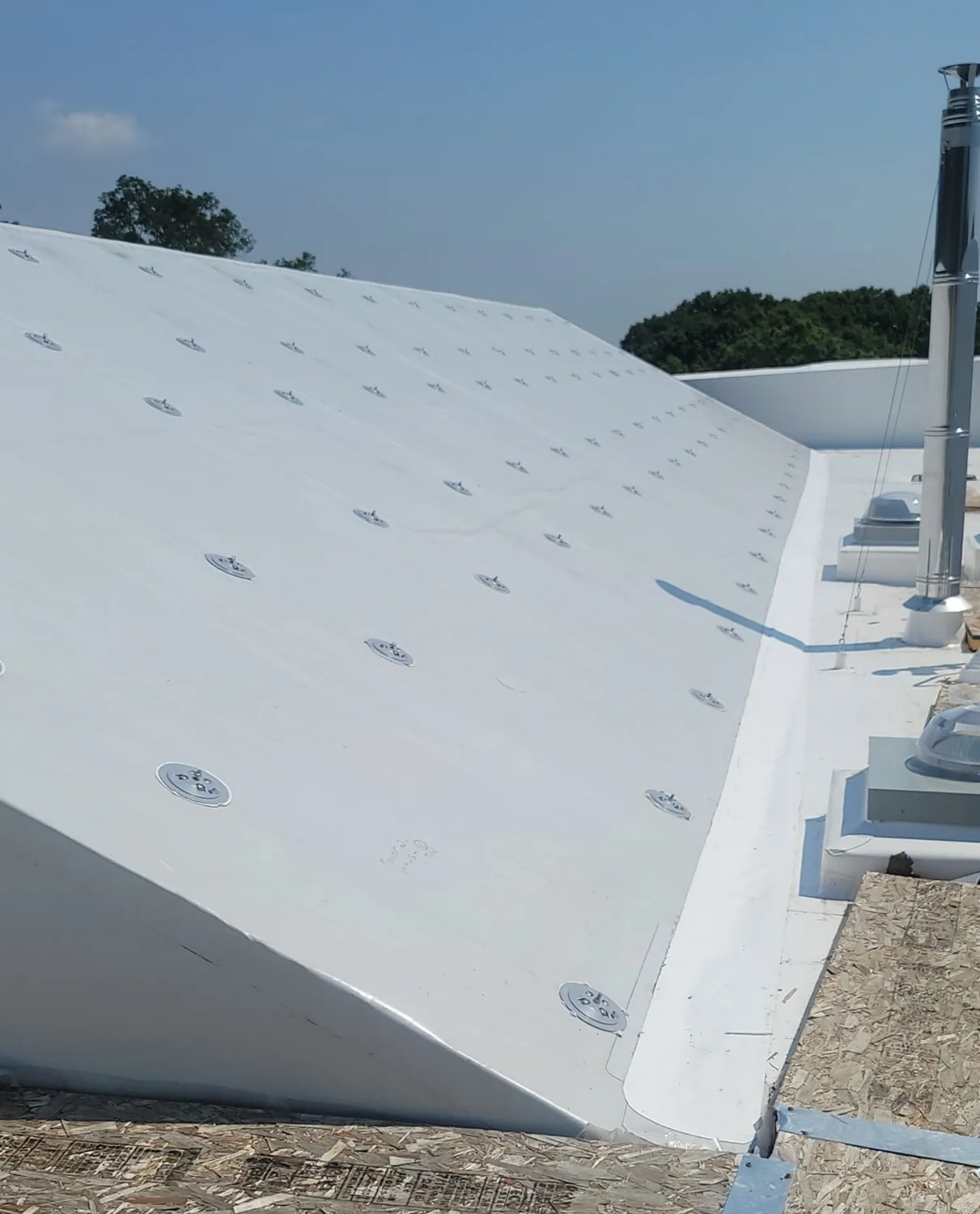
Weld record: probe results, lap by lap
The weld record is a drawing of the roof with each lap marked and each probe result noted: tight, marginal, or open. Marginal laps are rechecked on the next visit, and open laps go on the repair list with a proposed method. The drawing shows patterns, such as openings clustered at a wall or running along one slope, which help find causes like movement, ponding, or a poor installation day.
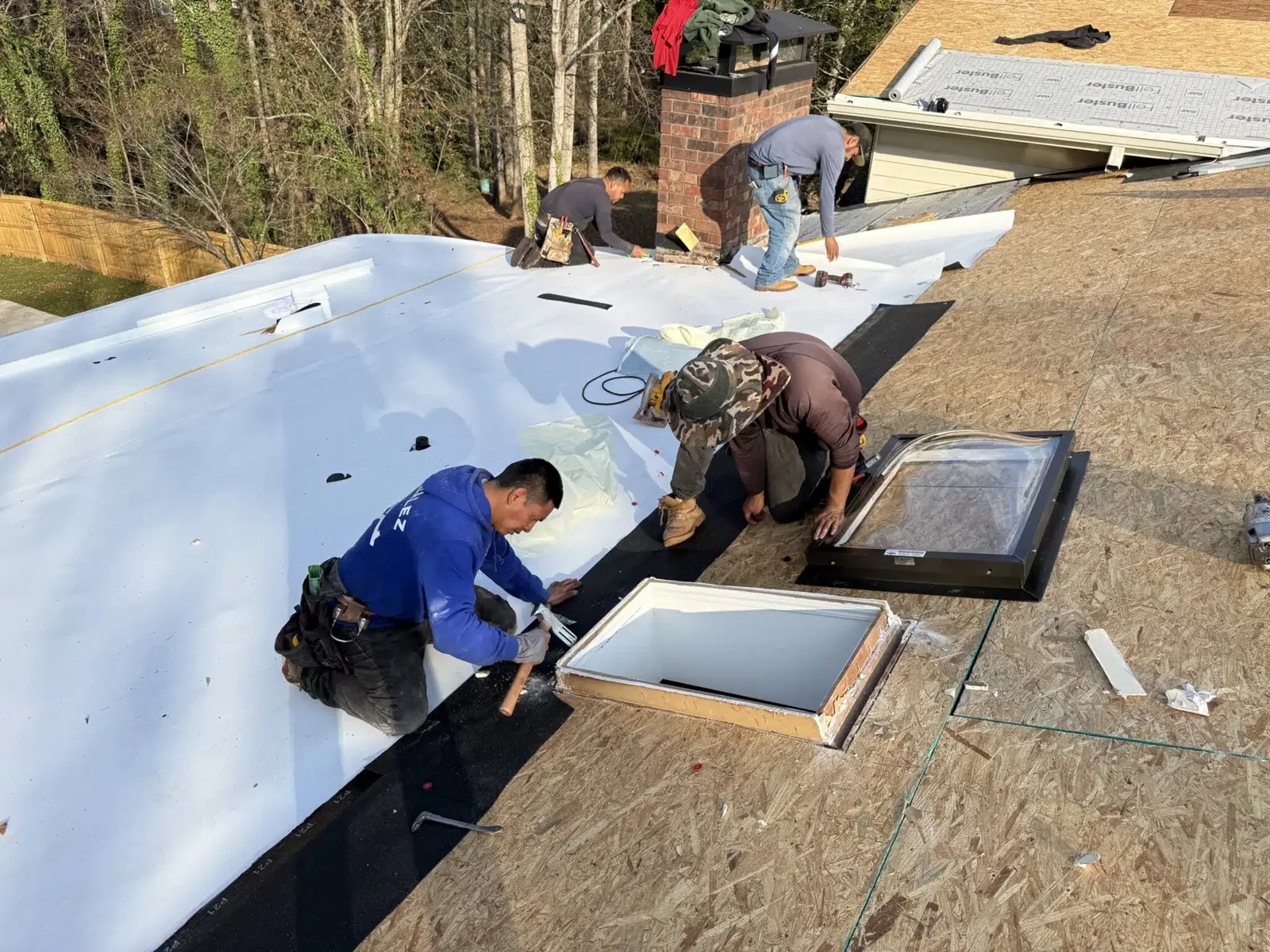
Repairs are made with welded patches. The surface is cleaned of dirt and any film, because a weld to a dirty surface fails. Each patch is probed after it cools, photographed with a scale, and entered in the log. Heat-welded repairs are strong only when the surface is clean, the temperature is right, and the pass is steady, so the record shows the conditions on the day.
Flashing welds get a separate column in the log. Corners, boots, and wall terminations are welded by hand, and hand welds vary more than machine welds on long laps. We probe every hand weld and look for the soft edge or pinhole that marks an incomplete pass. Where an installer left a flashing held by sealant alone, the record flags it as sealant-dependent and sets a recheck date, because a bead of sealant ages faster than a weld.
Exhaust and grease: where PVC earns its place
Many PVC membranes resist grease, fats, and a range of chemicals better than other single-ply families, which is why they are often considered for roofs under kitchen exhaust. Lewisville's Castle Hills, a planned development spanning Lewisville and Carrollton, includes Crown Centre, planned as office, retail, dining, and multifamily development along SH 121, and dining uses commonly bring kitchen exhaust to the roof.
On any roof, exhaust still deserves a check. Grease collects on and around a fan, and some sealants and accessories soften under it. We look at the fan curb, the area downwind of the discharge, and the drain line nearby. A grease containment tray or a longer discharge stack can protect the membrane, and the record lists each unit and what protects the surface beneath it.
Ponding: what the sheet tolerates and what the roof does not
Standing water that remains two days after rain is recorded with its depth and location, then traced to a cause: a blocked drain, a deck that has deflected, or insulation that has compressed. Thermoplastic sheets generally handle standing water better than some other membranes, but water that stays still adds weight, collects debris, and speeds wear on seams and flashing.
The first fix is drainage. Drains are cleared and tested, low areas are checked with a level, and tapered insulation or a cricket may be proposed where a pool keeps returning. The membrane's tolerance is a margin, not a license, and the record says whether a pool is a nuisance or a problem the owner should address in the next capital cycle.
Drain testing is part of the same visit. Water is run into the bowl and the line is watched; a line that runs slowly is flagged for a flush before the next rain. Overflow openings are checked for height and clearance, since an overflow set too high does not protect the roof it was meant for.
Hail, wind, and heat on thermoplastic
Severe hail, wind, flooding, and tornadoes return to the Metroplex nearly yearly, the National Weather Service reports, while individual locations may escape. After an event, we inspect for impact marks, torn edges, and lifted flashings, and we test suspect spots. That report is a reason to inspect, and the findings come from the roof.
Heat acts all summer. Airport normals for the region show highs near 96 degrees in midsummer and about twenty days a year at 100 or above, and a light-colored sheet reflects much of that sun while its seams and flashings still move. Walls, curbs, and seam ends are the first places we check in summer, and findings from a hail damage repair stay separate from heat wear in the log.
Liquid-applied products and details
The manufacturer's parent company also supplies liquid-applied products, used at odd-shaped details where a sheet is hard to fit. A liquid flashing resin can seal around a crowded cluster of pipes, and a reinforced liquid membrane can wrap a curb whose shape defeats a cut sheet. These details are only as good as their preparation: the surface must be clean, dry, and compatible.
We use liquid details where they suit and record them in the file with the product type, the reinforcement used, and the cure conditions. When a liquid detail meets a welded sheet, the junction gets a photograph and a note, because that overlap is the place a later leak is most likely to show.
Cure conditions matter for liquids more than for sheets. Rain before cure ruins a coat, and low temperature slows it. The schedule for liquid work is set against the forecast, with a dry window of the product's stated length, and the foreman records temperature, humidity, and the time each coat went on.
Options and neighbors
When PVC seams fail across a zone, or wet insulation is widespread, owners weigh repair, restoration, and replacement. The evidence for each goes into the decision file. In Old Town Lewisville, the historic downtown with commercial buildings along Main Street, roof access and shared walls often drive the schedule as much as the membrane does.
Roofs from Duro-Last, a prefabricated PVC maker, and from Versico can sit on the same property, and Old Town buildings may carry sections from several makers. Each section is identified and repaired with materials suited to it.
Whatever the choice, the closeout packet is the same: weld map as corrected, photographs of each repaired detail, products used, and a list of items to watch with a review date.
Commercial Roofing Questions
How do I tell a good PVC weld from a bad one?
A probe tells it. A sound weld resists the probe along its full length, and a cold weld opens. The log records each lap with its result.
Does PVC need special care near kitchen exhaust?
It resists many greases, but fans still need containment, and surrounding sealants and accessories can soften. We inspect each exhaust location.
Can PVC sit under standing water?
It tolerates more than some membranes, but standing water still adds weight and wear. We trace the cause and recommend a drainage fix.
What repairs does a welded sheet take?
Cleaned, welded patches. The surface must be clean, and the weld is probed after cooling. We record the conditions on the day.
What is a liquid flashing used for?
Odd shapes where a sheet will not fit well, such as clustered pipes or irregular curbs. It must be applied to a clean, dry, compatible surface.
Related
Related Roofing Work
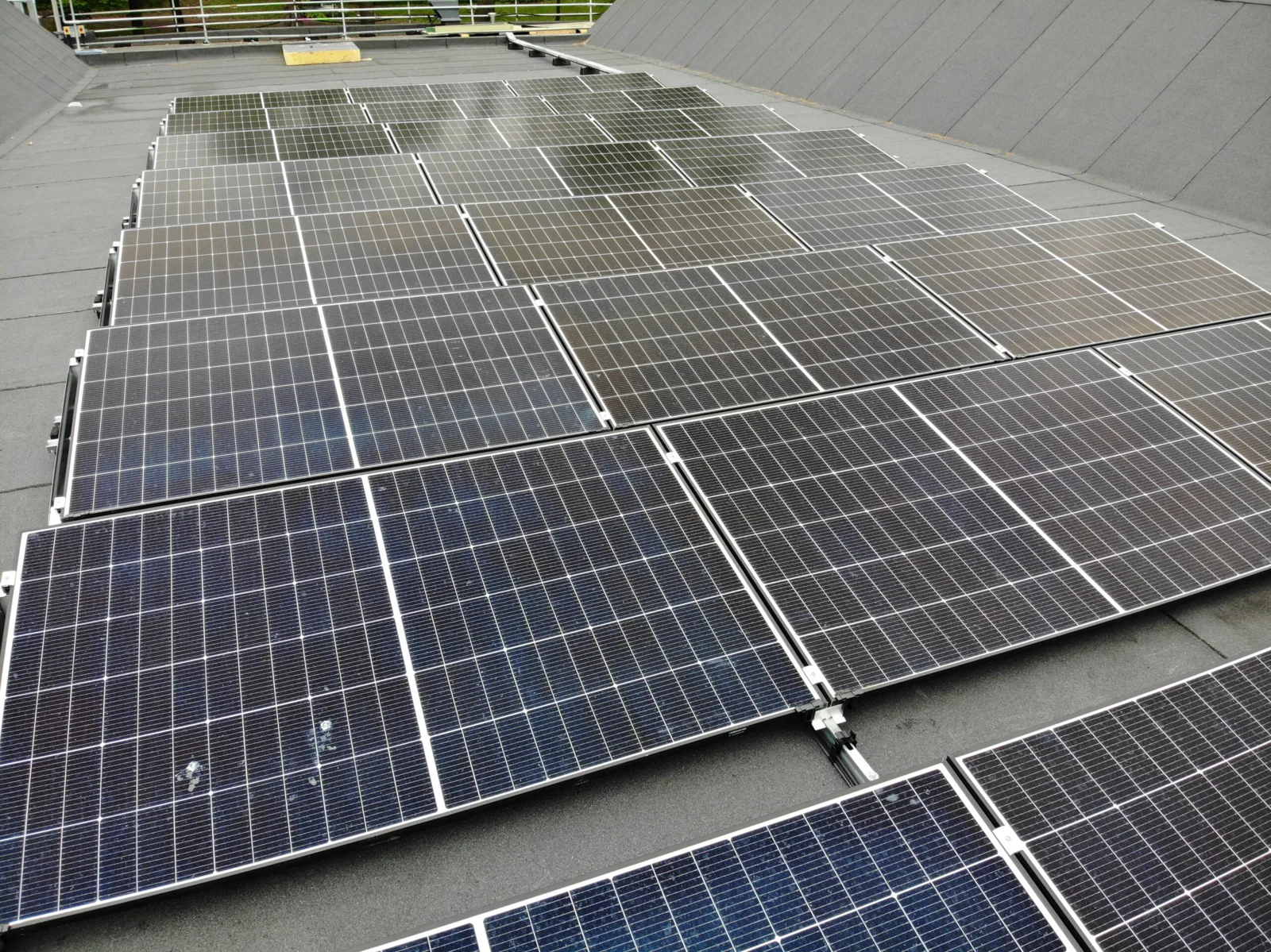
Hail Damage Roof Repair

Roof Coating and Restoration
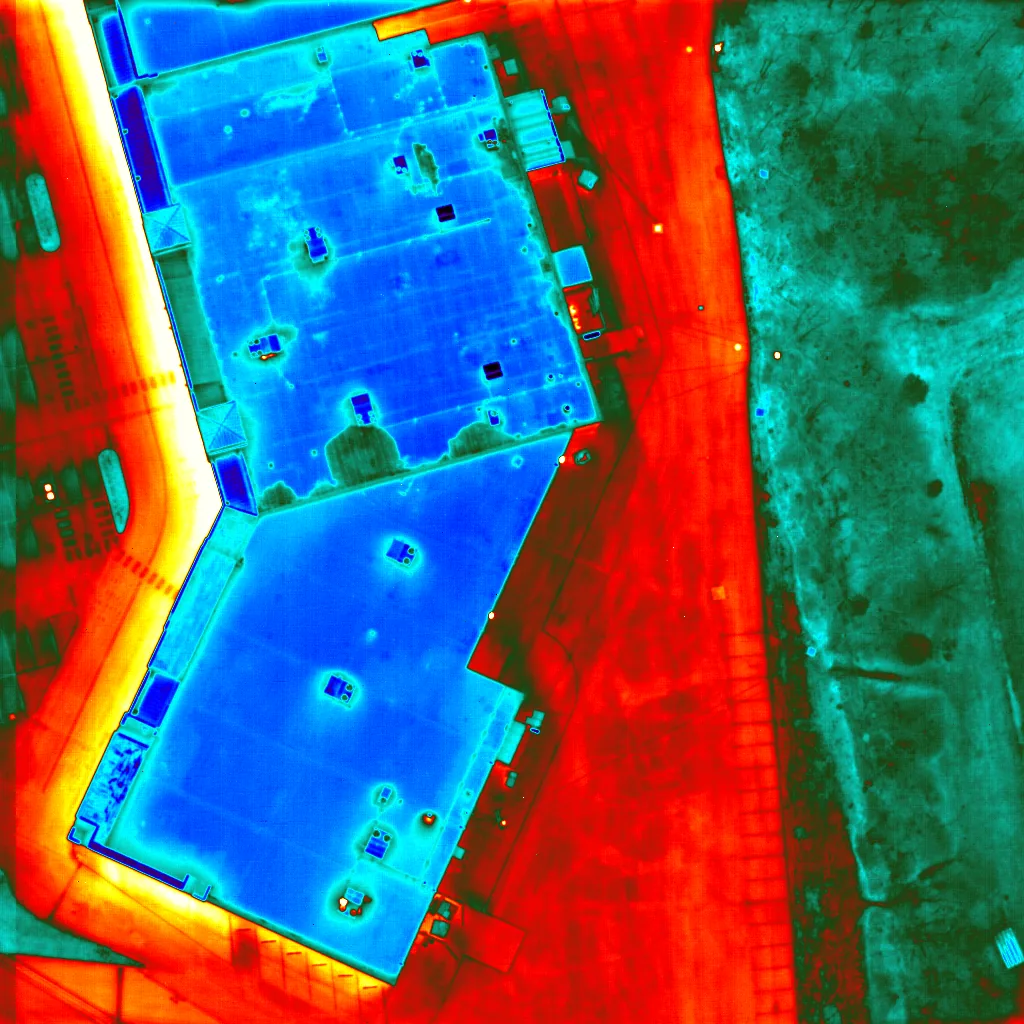
Commercial Roof Replacement
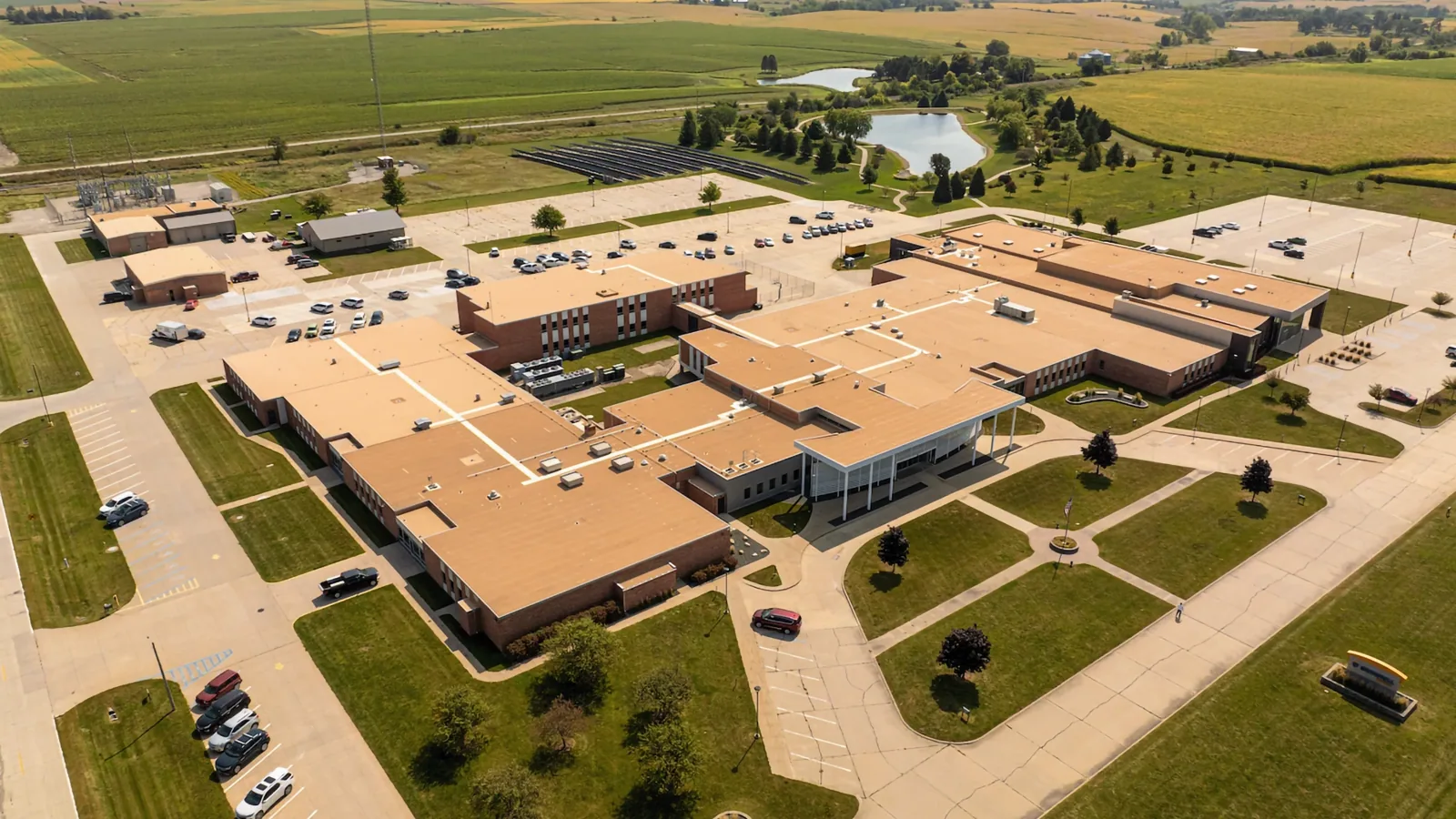
Duro-Last Roofing Systems
Versico Roofing Systems
Old Town
Schedule a weld inspection
Send the roof plan or warranty papers and the way the roof is reached. We will probe the seams and return a dated condition record with photos, a weld map, and recommended next steps.
