
Duro-Last Roofing Systems in Lewisville, TX
Home // Roofing Manufacturers //
Overview
Duro-Last Roofing Systems in Lewisville
The measurements come before the membrane. A Duro-Last roof starts as a set of dimensions: the manufacturer makes PVC membrane in prefabricated panels cut to the roof's measured size, with prefabricated flashings for pipes, corners, and curbs sized to the openings on that roof. On an existing roof, the prefabrication shows as large panels with factory-welded seams and shaped accessories that fit closely. The inspection starts by locating the panel seams, which are field-welded where panels meet, and the prefabricated details, which are where the fit either holds or has moved.
For Lewisville, TX owners, the file lists each panel seam and each prefabricated detail with a condition and a photograph.
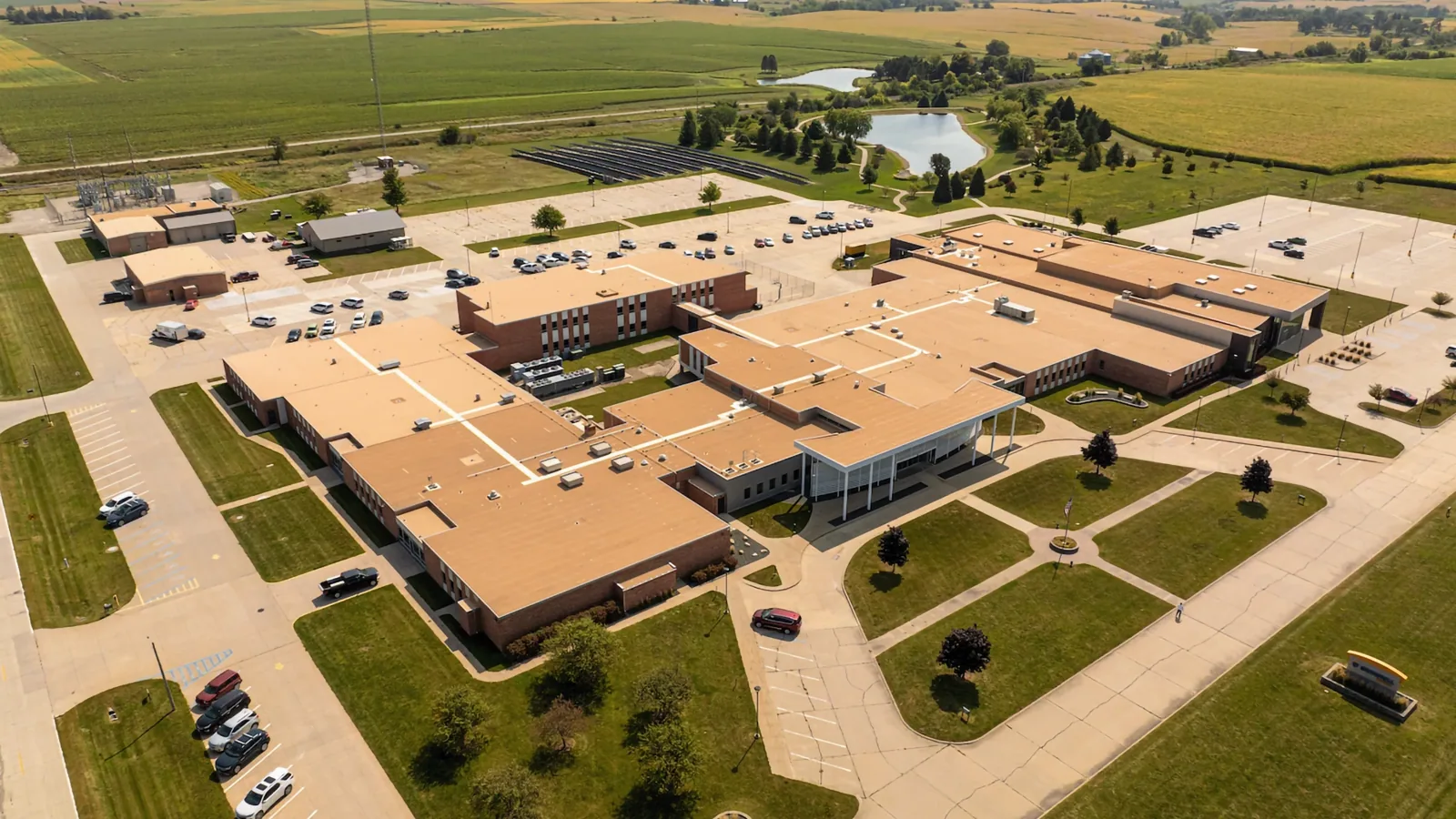
Panel layout: factory welds and field welds
Prefabrication moves much of the welding into a shop, where conditions are controlled. The remaining seams are made on the roof, where the weather, the surface, and the crew's pace all matter. Those field seams are the first place we probe. Factory welds are checked too, but field welds are where installation conditions show.
A probe pass along each field seam marks any opening by position and length. Marginal welds are rechecked on later visits. The panel layout drawing, which we sketch if none exists, shows which seams are field welds and where each panel ends, so an owner and a repair crew can find a particular lap without guessing.
Seams that run across the direction of drainage deserve extra attention, since water crossing a seam tests the weld every time it rains. The layout drawing marks the direction of flow beside each seam, and the log notes which seams carry the most water. Those seams are probed first and rechecked at each visit.
Prefabricated details: boots, corners, and curbs
Prefabricated flashings are made from the measurements taken before the roof was ordered. They fit snugly when the openings are as measured, and they strain when something has changed: a pipe replaced with a larger one, a curb moved, a unit added. A boot that sits tight against a new pipe may crack at the neck. A corner that was made for one curb does not fit a bigger one.
We compare each detail with the opening it covers, looking for stretch, wrinkles, lifted edges, and gaps at the base. Where a detail no longer fits, a replacement is made to the new dimensions, welded to the field sheet, and photographed. The record lists each detail by location and the date it was last confirmed to fit.
Drains are part of the fit. A prefabricated drain flashing sits under a clamping ring, and when the ring loosens or the sheet curls at the rim, water gets under it. We tighten and reseat rings, check the bowl for debris, and run water through the drain to confirm the line flows. The result is recorded with the date, since a drain that passes in spring may be tested again after a hard summer.
Field repairs: cleaning, welding, and testing
Repairs on PVC are made with hot-air welded patches. The surface is cleaned of dirt, grease, and film, because a weld to a dirty surface fails. The patch is cut with rounded corners, welded in a steady pass, and probed after it cools. Surface temperature, humidity, and the weld settings are recorded.
Not every repair is a patch. A split at a seam may need a cover strip along its full length. A tear at an edge may need the termination reset. A panel with widespread damage may need replacement, and the replacement is welded into its neighbors with new field seams. Each repair carries a photograph before, during, and after, and the log notes the cause when it is known.
Weather decides the repair window. Hot-air welding needs dry surfaces and moderate wind, and the crew stops when either is off. A temporary cover goes on any open area, labeled as temporary, and the return date is written in the log. Permanent work resumes in the next dry window, and the file shows both visits so the owner can see how long a temporary measure was in place.
Weather: hail, wind, and Metroplex heat
North Texas sees large hail, strong wind, flooding, and tornadoes nearly every year, per the National Weather Service, though not every property is touched in a given season. After a storm, we inspect for impact marks, torn edges, and displaced flashings. A report from the region sends us to the roof; what we find there goes in the record on its own.
Heat works all summer. Airport averages for the region list midsummer highs in the mid-90s and around twenty days a year at triple digits. A light membrane reflects much of the sun, but seams, boots, and terminations still move with the temperature. The summer visit starts at those points, and the hail damage repair scope is written only when impact is confirmed.
Panel edges and perimeter terminations take wind first. We check termination bars, fasteners, and edge metal by hand, and we look for torn membrane near any loose point. Wind that lifts an edge can pull a long panel, so edge repairs are made before field repairs.
Neighboring PVC systems and mixed buildings
Other makers sell PVC as well. Sika Sarnafil is known for thermoplastic PVC, and Versico offers PVC among its single-ply families. A building with more than one PVC section needs each identified, because membranes from different makers can differ in formulation and in the settings that weld them well. A patch from the wrong sheet may weld poorly or not at all.
The identification relies on paperwork, labels, and test welds on a scrap. Where doubt remains, a small test weld is made in an inconspicuous area and pulled before the real repair. The file records the result.
Where two PVC sections of different makers meet, the lap between them is not welded as if they were one sheet. The junction gets a termination or a cover strip that suits both, and the detail is photographed from both sides.
Where the work happens: corridors and gateways
Redevelopment along I-35E at the city's central focal point runs under an overlay framework, and a separate Northern Gateway plan imagines a mixed-use urban village on about 300 acres west of the interstate. Roofs near the Central I-35E focal point and the Northern Gateway may share staging space with new construction, and the access log records who controls the roof and when it can be reached.
When a roof near the end of its service life needs a decision, owners weigh repair, recover, and replacement. Moisture readings and seam condition place the roof on that list, and the closeout packet records what was done.
Commercial Roofing Questions
What is different about a prefabricated roof?
Panels and flashings are made from measurements before installation, so more welding happens in a shop. The field seams and the fit of prefabricated details are where we look.
What if a detail no longer fits after a change on the roof?
A replacement is made to the new dimensions and welded to the field sheet. We photograph the opening and the finished detail.
Can a patch from another maker be welded to this sheet?
Sometimes, sometimes not. Formulations differ, so we identify the sheet and make a test weld first. The result goes in the file.
How are field seams tested?
With a probe along each seam, plus a pull test on a sample weld where needed. Openings are logged by position and length.
Does PVC need a different cleaning method?
It needs a clean, dry surface free of film before welding. We choose the cleaner for the sheet and record it.
Related
Related Roofing Work
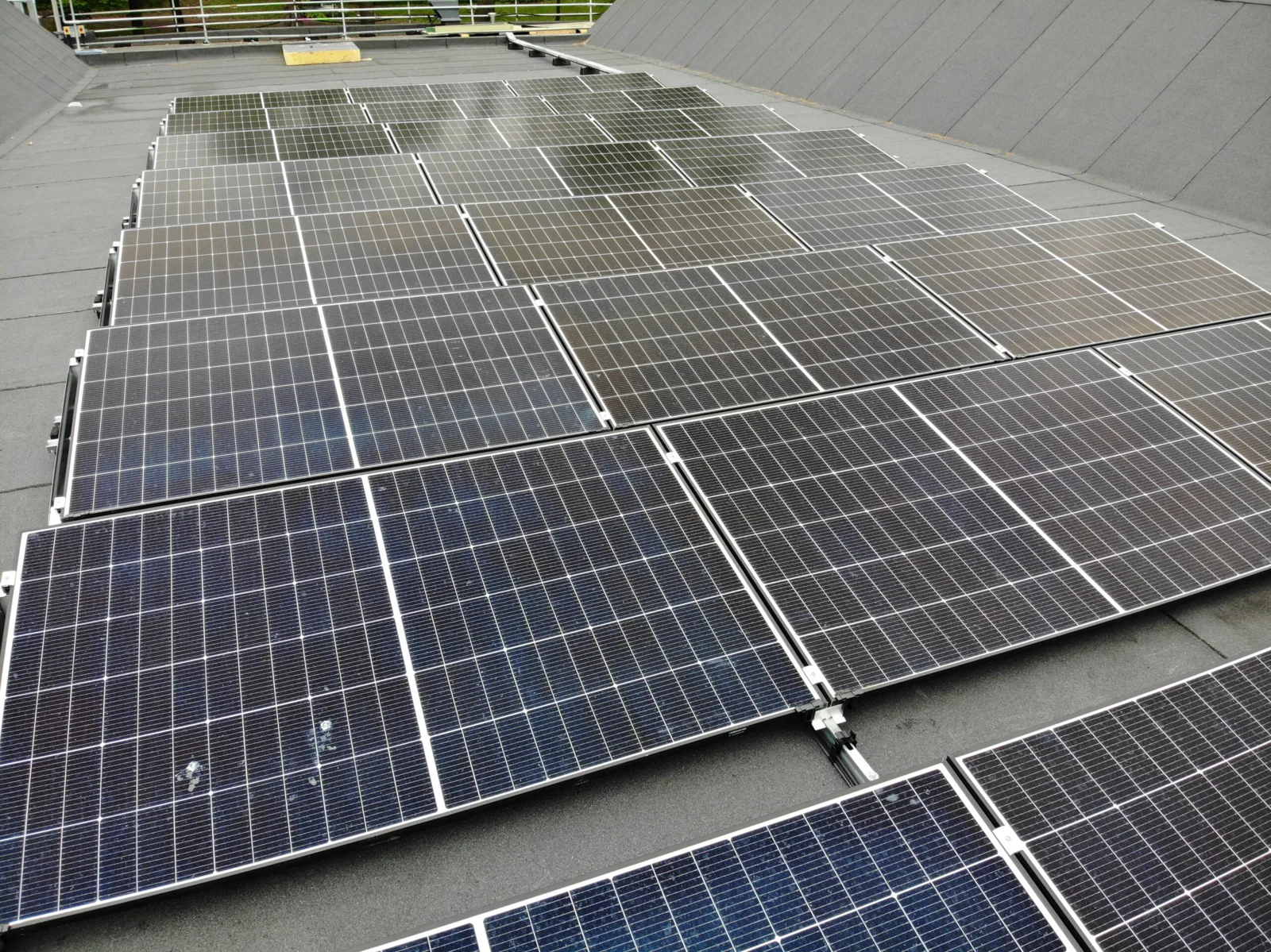
Hail Damage Roof Repair
Sika Sarnafil Roofing Systems
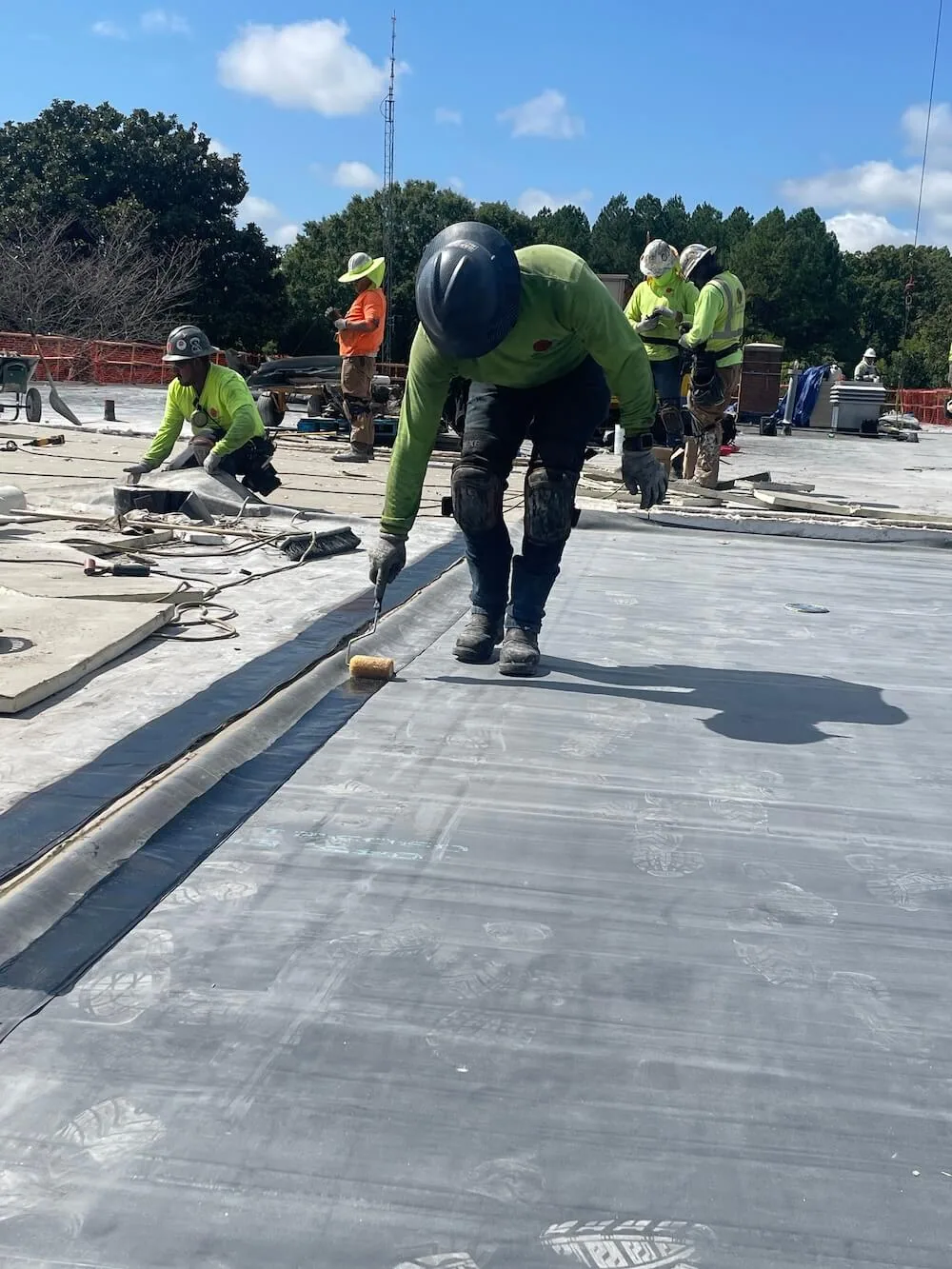
Versico Roofing Systems
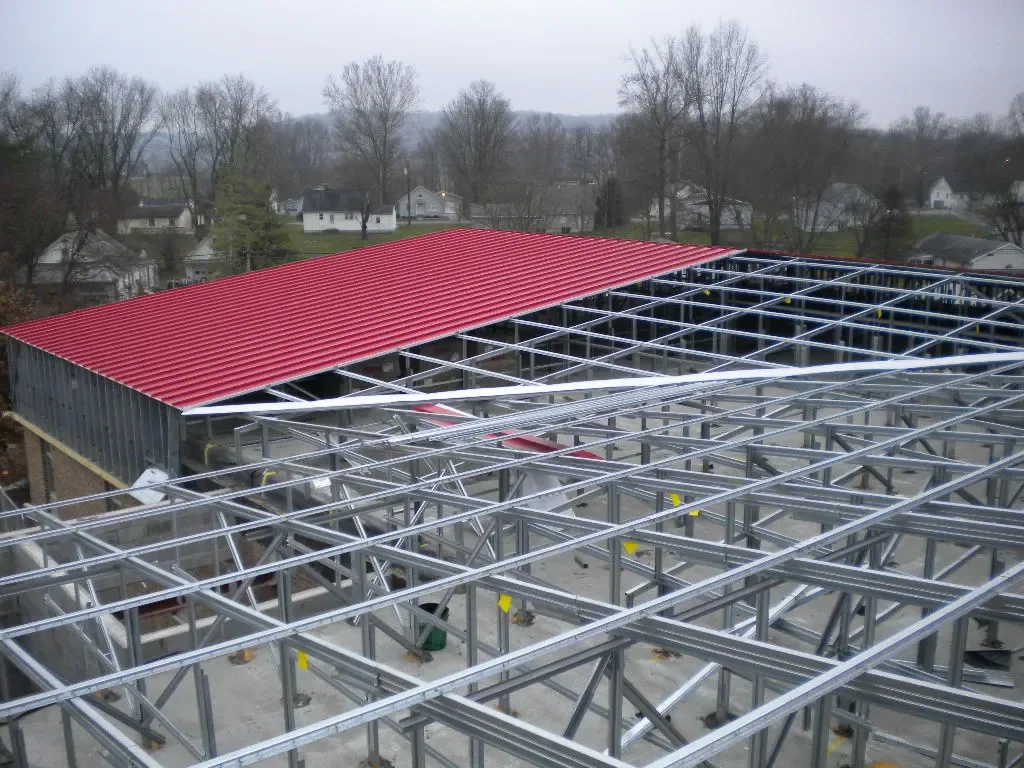
Central I-35E
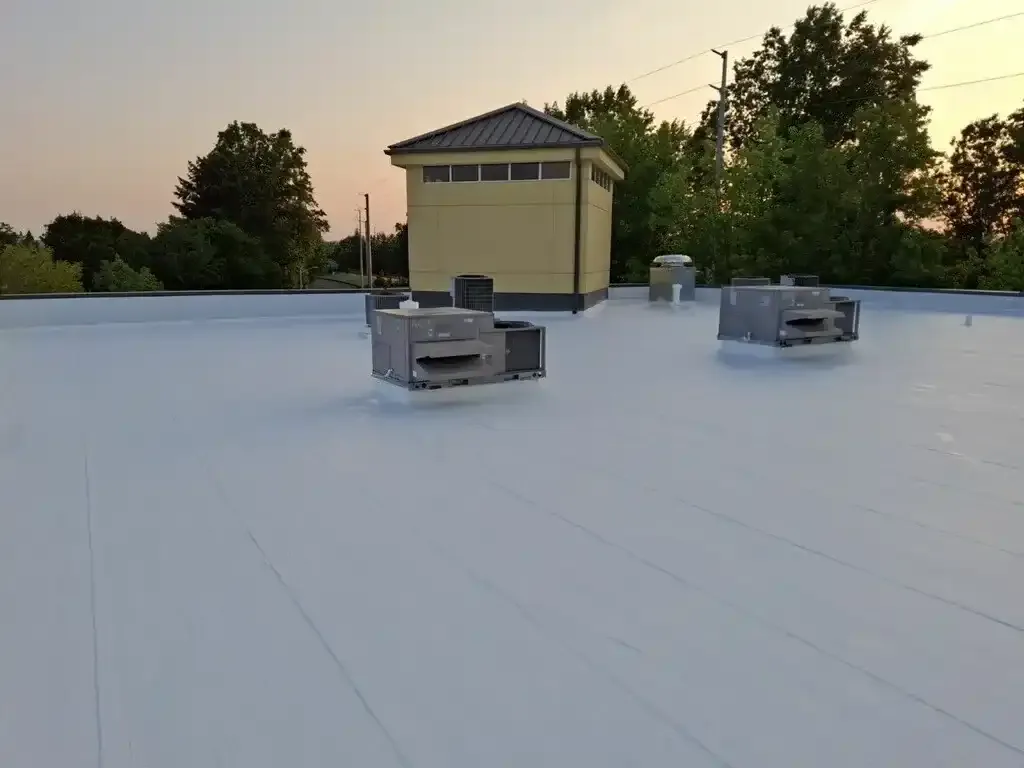
Northern Gateway
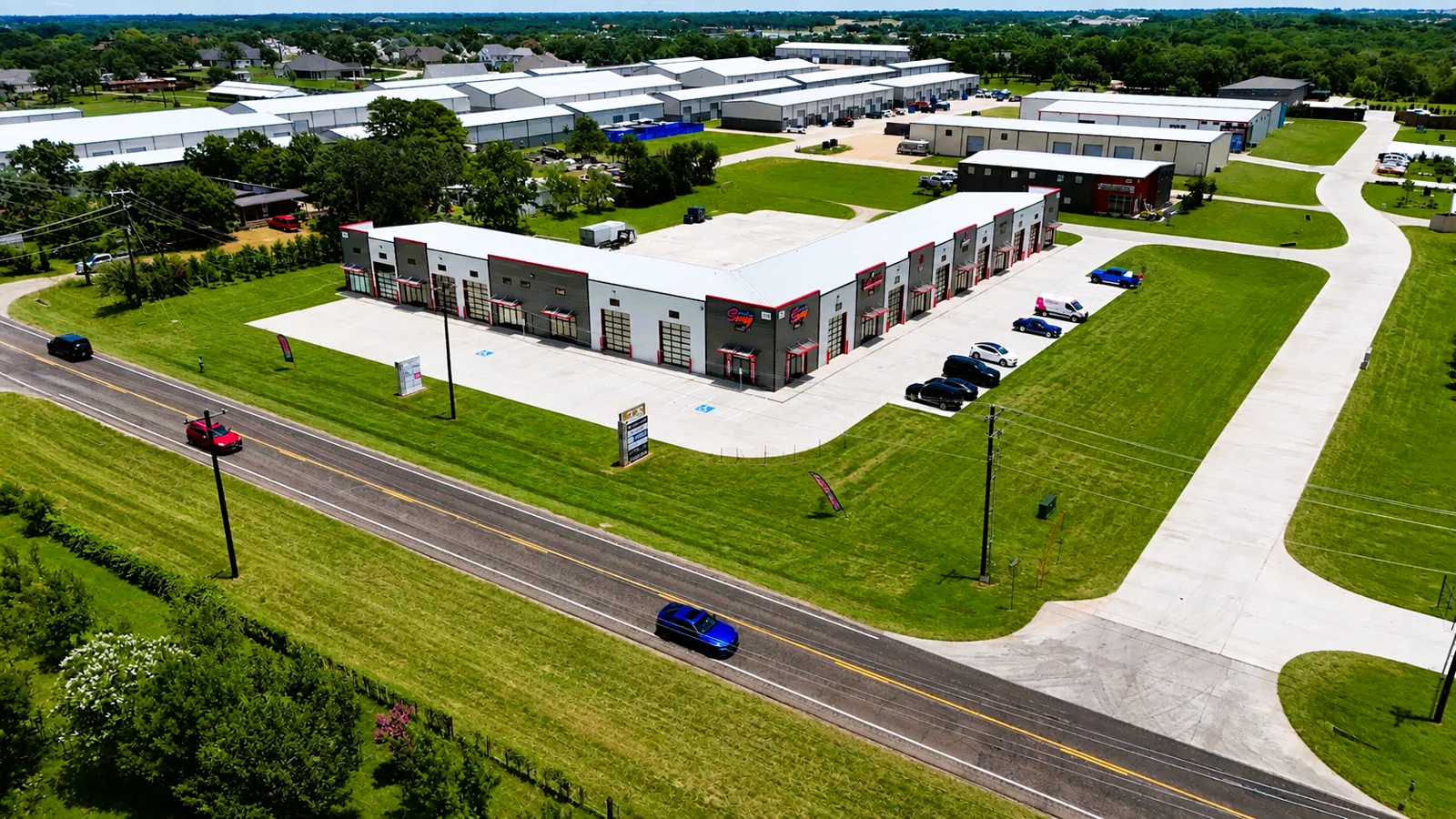
Commercial Roof Repair
Schedule an inspection of the panel seams
Send any warranty papers, roof plans, or panel layout drawings, and the way the roof is reached. We will probe the seams and return a dated condition record with photos, a seam map, and recommended next steps.
