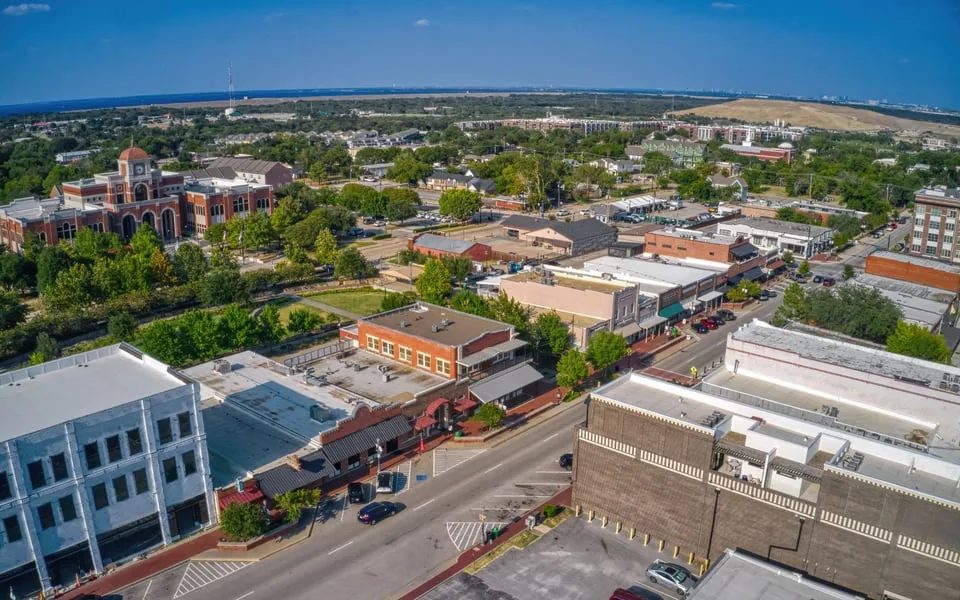
Solar-Ready Roofing in Lewisville, TX
Overview
Solar-Ready Roofing in Lewisville
A solar array is expected to stay in place for decades, and a roof under it is expected to stay dry for the same decades, which is a longer promise than most roof membranes are asked to keep. The question for a Lewisville, TX owner is therefore not whether the roof can carry panels today, but what condition it will be in when the array is still there and the membrane beneath it is not new. The answer starts with a dated record of the roof as it stands.
We work on both sides of the question: preparing a roof before an array goes on, and repairing or replacing a roof that already has one. In both cases the first pass is the same. Walk the roof, photograph each zone, take moisture readings and record what the membrane, insulation, deck and drainage look like before anything is bolted down or after something has been.
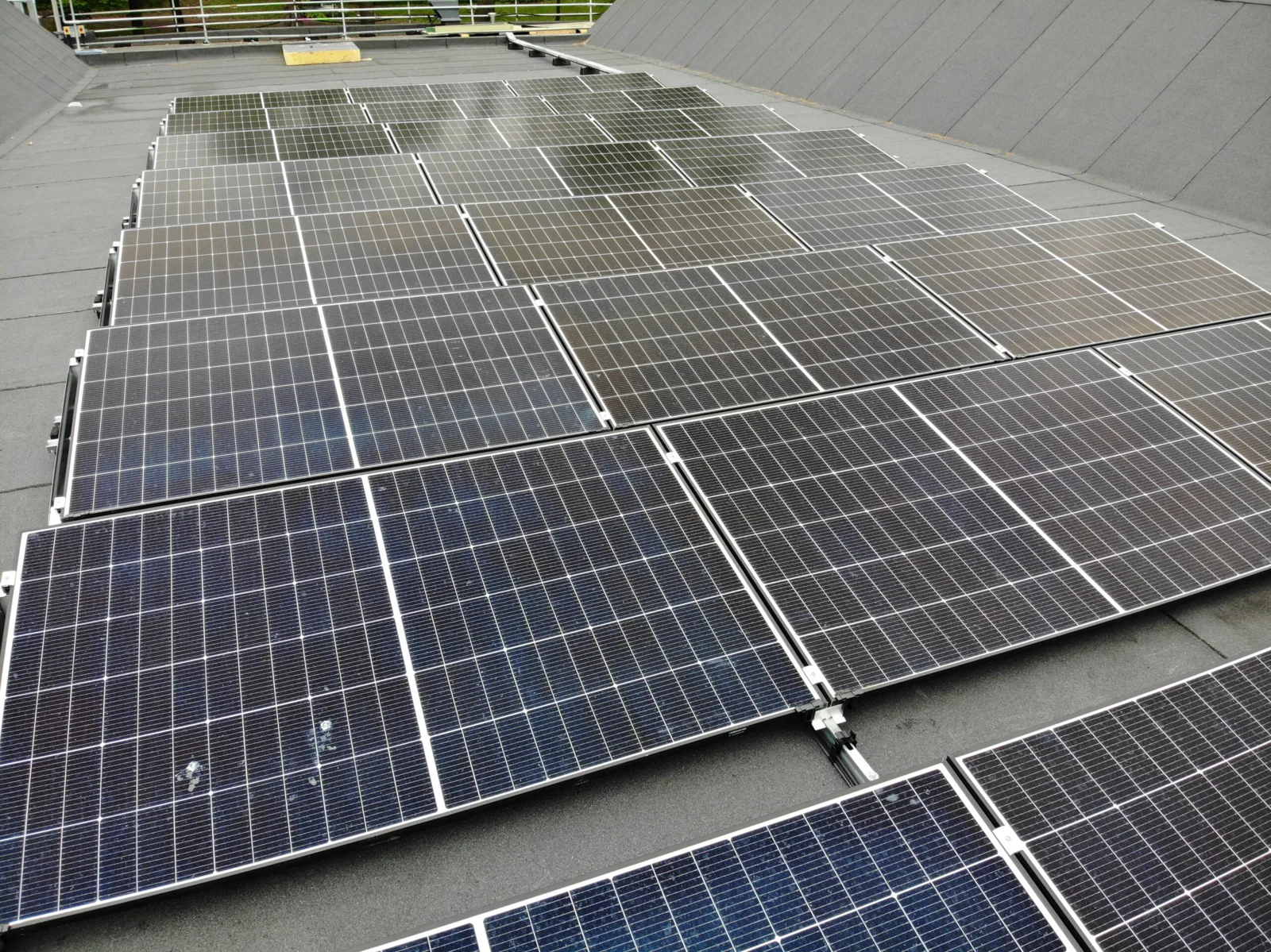
Inspection record: is the roof ready to carry an array
A solar-ready roof is a roof that will not need to be disturbed soon. The inspection checks the age and type of the membrane, the number of layers, the state of the seams, the insulation and the deck, and it finds wet insulation with a moisture reading before panels hide the surface. A roof that is nearing the end of its service life and gets an array on top has to be reroofed around it, and that means removing and resetting every panel.
We record the roof zones that are best suited to an array: unshaded, flat enough, clear of drains and not crowded with equipment. We mark zones to avoid, such as low spots where water collects and areas around heavy rooftop units. The result is a short condition record that a solar designer, an engineer and the owner can all read. Structural capacity is a design question for an engineer, and we tell the owner when one is needed.
Options review: reroof first, coat first or leave alone
For a young roof with a dry base, the usual answer is to repair what is open and leave the roof in place. For a roof with years left but real wear, a coating restoration can extend service life before the array arrives. For a roof near the end of its life, a full replacement before the array is the most economical sequence, since the new membrane can be flashed around the mounting points once.
Roof type matters. A single-ply system such as TPO accepts ballasted or attached racking with different detailing. A standing seam metal roof can carry clamp-on mounts that do not penetrate the panel. We lay out the roof options next to the array plan, so the owner sees the cost and the timing of each sequence on the same page.
Attachment detail: ballast, fasteners and every penetration
Racking reaches the roof in one of three ways: ballast that sits on the membrane, fasteners that go through it, or clamps that grip a metal seam. Ballast spreads load and adds weight and friction on the membrane, which makes walk pads and protection layers important. Through-roof fasteners create penetrations, and each one needs a flashing that will last as long as the array.
- Pad or protection layer under every ballast point
- Flashing at each fastener, sized to the base and sealed to the membrane
- Conduit and wire routing that does not rest on the surface
- Clearance under the array for water to flow to drains
- Access paths for service that do not cross seams
We record the location of every attachment on the roof plan, with photographs of the flashing before the panels cover it. That record is what a later roofer needs when a panel has to be lifted to fix a leak.
Evidence sequence: hail, heat and what lies under the panels
Hail reaches the Metroplex in most years, though a given address can go a season without it. Panels can be damaged by hail, and a roof under panels can be harder to inspect after a storm because the surface is covered. A hail report is a reason to look, not a finding about a given array.
Heat is the second stress. July and August highs at the regional airport sit near 96 degrees, and the 1991-2020 normals count about twenty days a year over 100. Under an array, the membrane is shaded in the day and stays warmer at the edges, and the uneven temperatures move seams and flashings. The Army reports rooftop solar at the Denton Army Reserve Center, so an array on an institutional roof is not a new idea. For each owner, the photo sequence records the roof before the array, at turnover and at later passes, so changes can be placed in time.
Work coordination: roofer, installer and electrician
Solar work involves at least three trades on the same roof, and the sequence matters. The roofer finishes repairs and flashing, the racking installer sets mounts, and the electrician runs conduit. If those steps overlap, foot traffic and dropped tools damage the membrane. We write a sequence that gives each trade its work window and sets protection layers along shared routes.
Where an array is already installed and the roof needs repair, panels have to be disconnected and lifted by qualified crews, and the roofer has to know where each attachment sits. We ask for the as-built layout, mark it on the roof plan and schedule the removal and reset as part of one project. On an operating property, tenants and mechanical equipment shape the work windows, as they do on any occupied-building reroofing job. Roofs near the I-35E and SH 121 corridors host a mix of office, retail, industrial and mixed-use buildings, each with its own access limits.
Closeout documentation: the roof file the array inherits
The closeout packet holds the roof plan with every attachment marked, before and after photographs, moisture readings, flashing details and the test results. It records the repair boundary: which areas were repaired, which were replaced and which were left alone. If the owner has a manufacturer's roof warranty, our roof warranty management work keeps the paperwork and the installation records in step, so a roof change does not trigger a surprise.
The packet gives the next contractor what is needed to work around the array without guessing. Owners with several buildings can use it with a multi-site roof program to decide which roofs should be reroofed before any array is added. Buildings in Old Town Lewisville and Flower Mound can be recorded in the same format.
Commercial Roofing Questions
How old can a roof be before an array goes on?
If the membrane will need replacing before the array comes off, replacing the roof first is the cheaper sequence, so remaining service life is the test.
Do solar mounts void the roof's warranty?
The warranty terms and the mount detailing control that. We review the warranty documents and record each attachment so the owner can ask the manufacturer with facts in hand.
Can a leak under an array be repaired without removing panels?
Sometimes, if the entry is outside the array footprint. Otherwise panels are lifted by qualified crews and reset, and the repair is planned.
What if hail hits a roof with an array?
Inspect both. We record the panel zone and the open roof, and the moisture survey tells us whether water reached the insulation.
Is structural review part of your work?
We flag when an engineer is needed. Load capacity is a design question, and we supply the roof condition record the engineer reads.
Related
Related Roofing Work
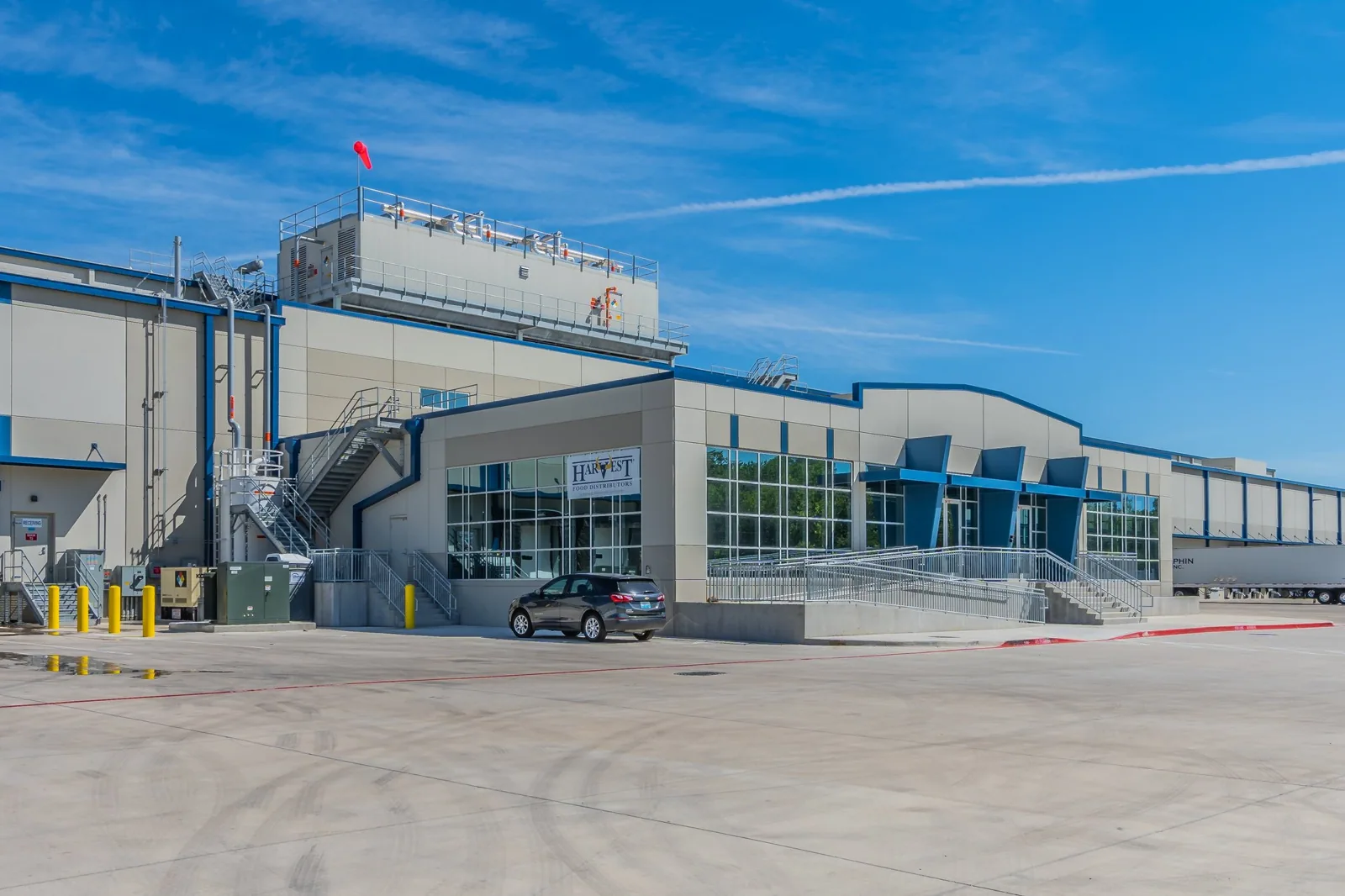
Roof Coating and Restoration
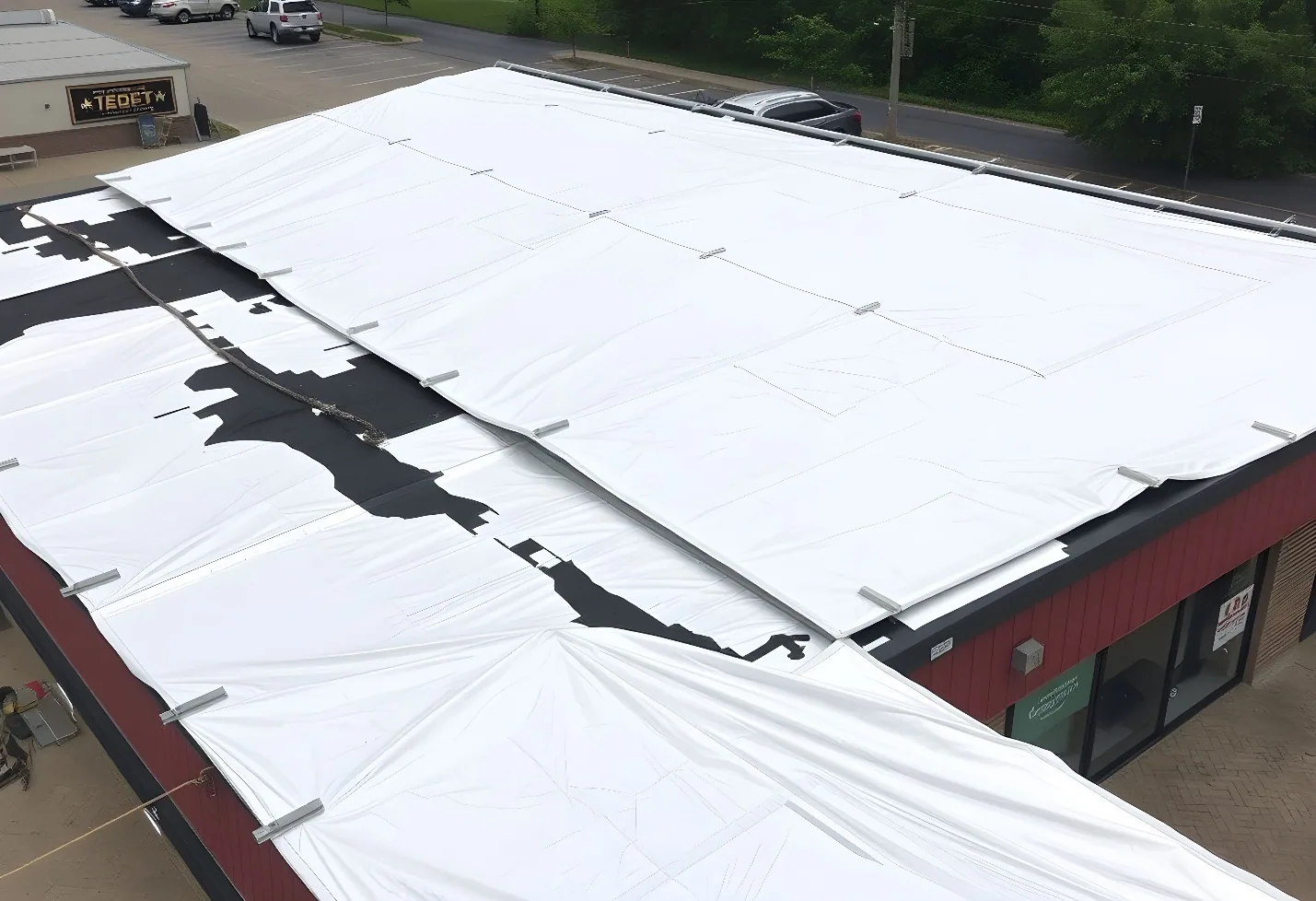
Commercial Roof Replacement
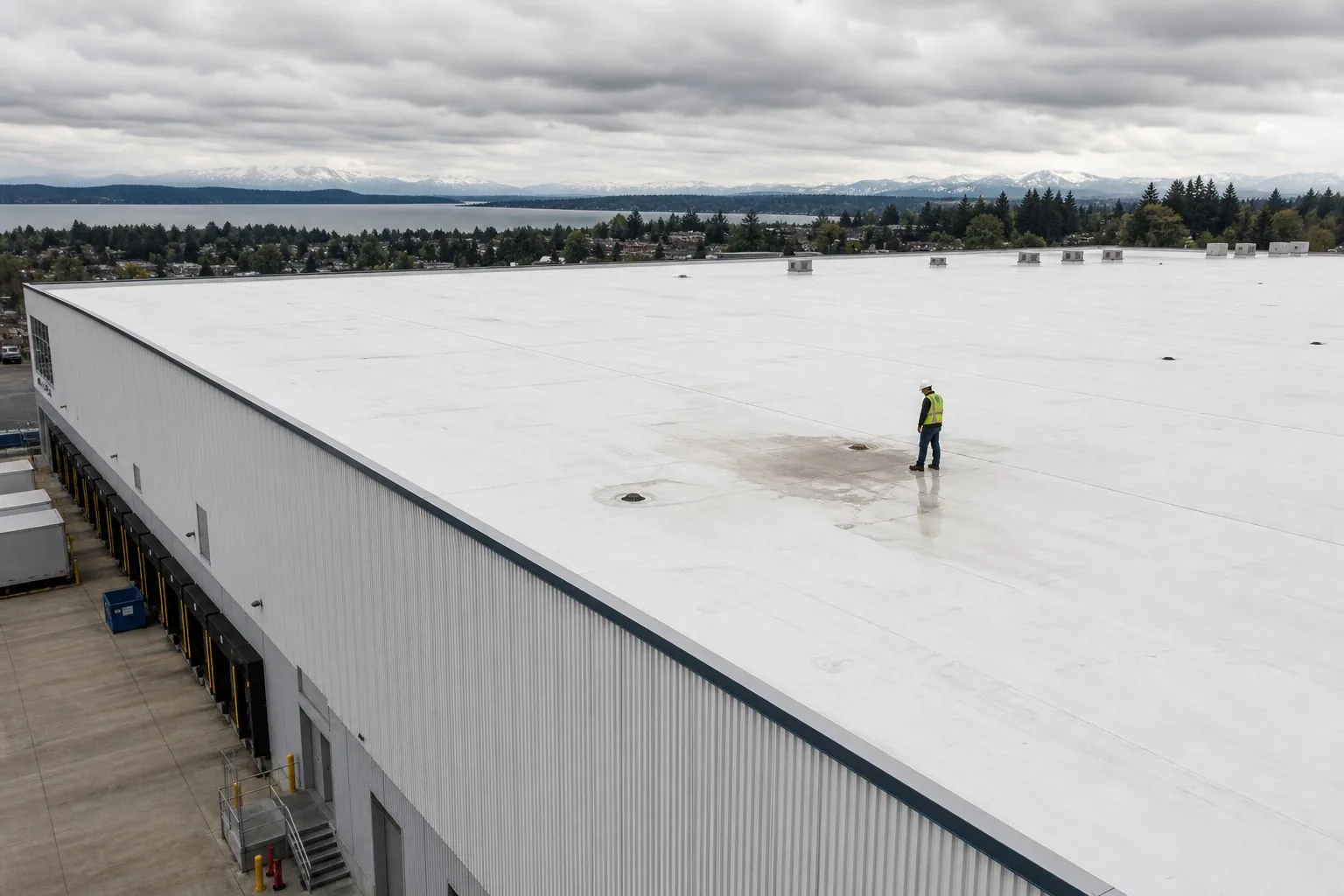
TPO Roofing
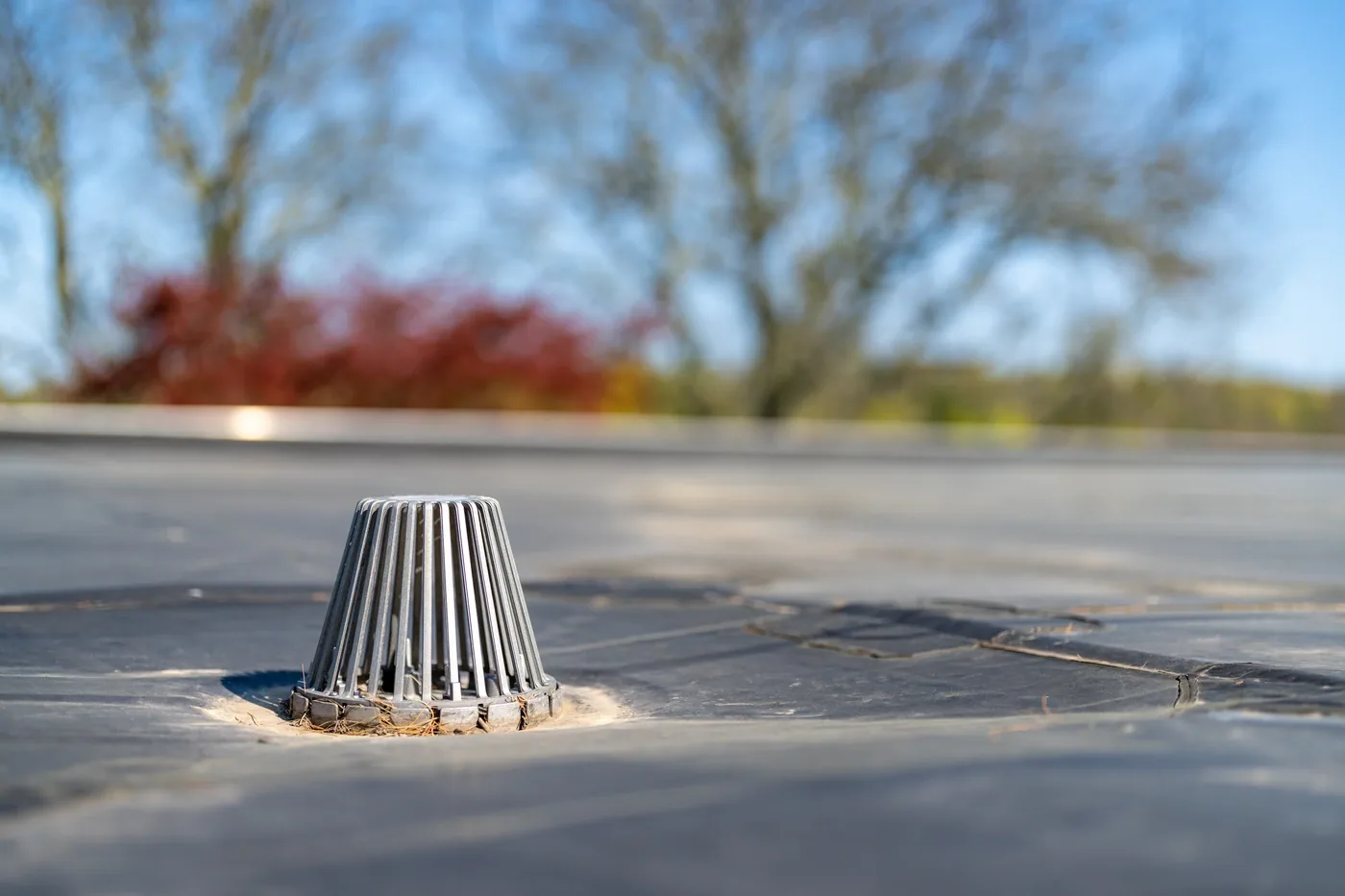
Occupied Building Reroofing

Roof Warranty Management
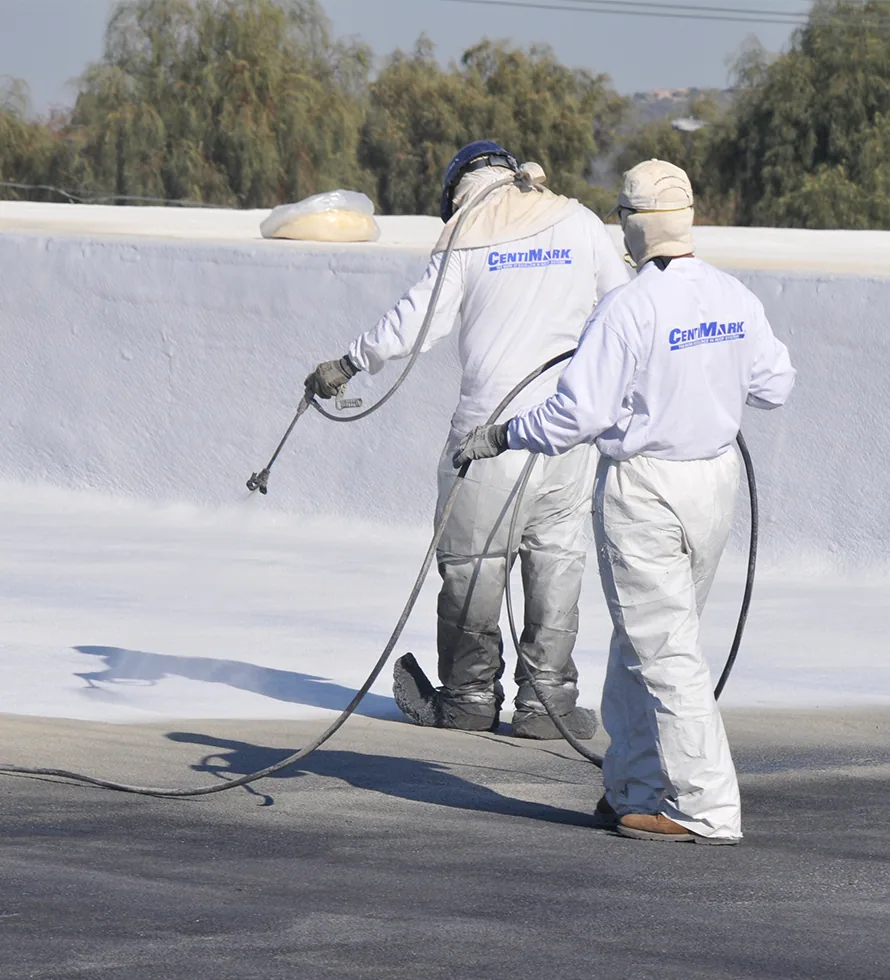
Multi-Site Roof Programs
Start with a dated roof record
Schedule an inspection and receive a condition record with photos, moisture readings, usable roof zones and recommended next steps before an array is designed or after one is installed.