
Commercial Roofing in Oak Point, TX
Home // Service Areas //
Overview
Oak Point in Lewisville
A freestanding commercial building has one roof, and everything the owner pays for or loses is under it. Oak Point's comprehensive plan directs commercial uses to the FM 720 corridor overlay and calls for neighborhood stores and freestanding commercial sites along that road. For a roof, a freestanding site has no shared wall to blame, no landlord to call and no second roof to absorb a mistake. The inspection pass has to cover everything: all four edges, every drain, each curb and the field between them. We build the Oak Point file around that single roof, with a zone map, a photo sequence and a short list of what the owner should watch. Owners with other property in Lewisville, TX use the same record there.
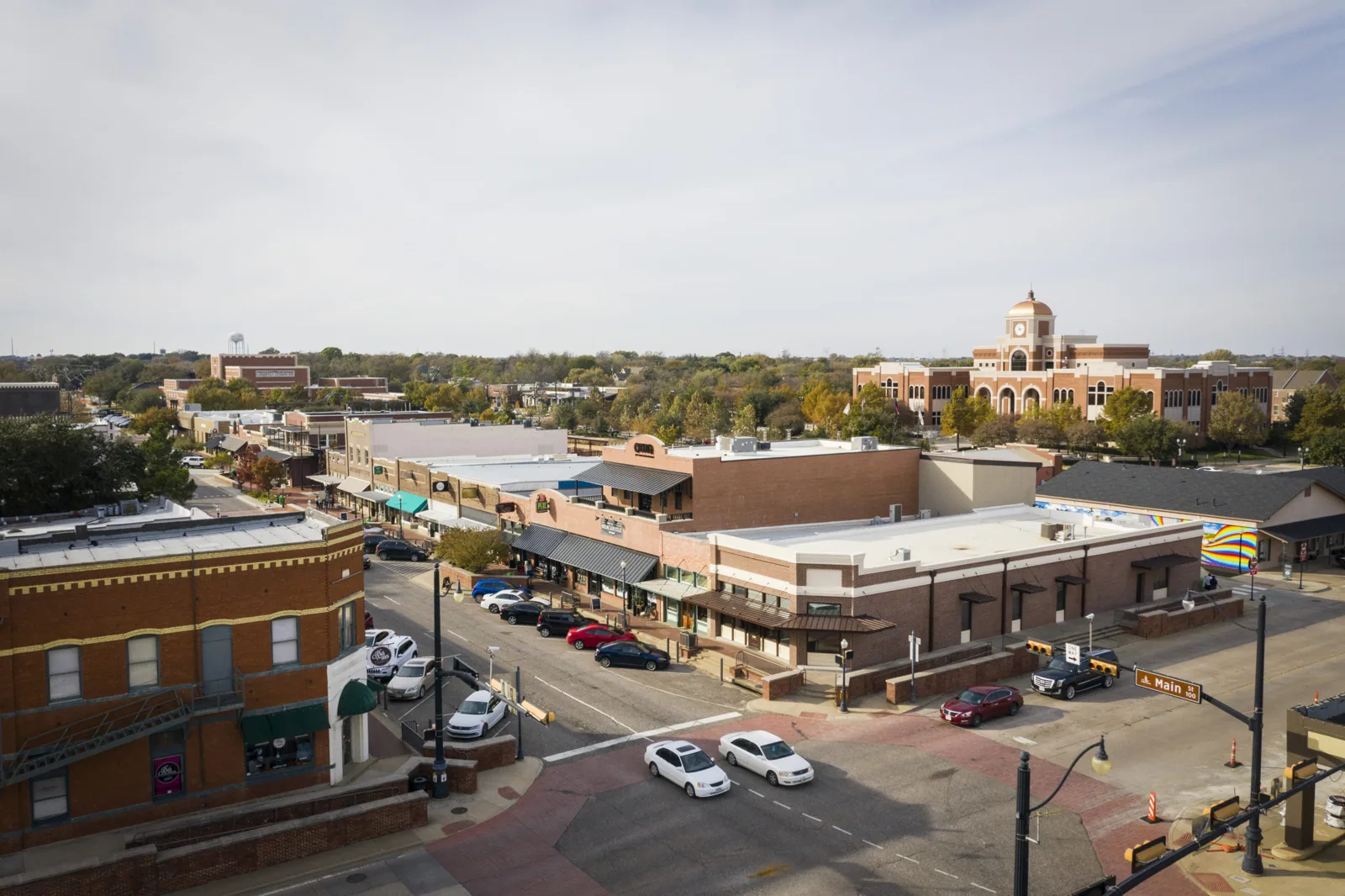
One roof, full pass: every edge, drain and curb
On a small freestanding building, a full pass takes hours rather than days, and it is worth doing completely. We photograph the roof from a fixed point, then each corner, each edge run, each penetration and each drain. We press on terminations, probe seams and note any ponding. If the building has a canopy, a drive-through lane or a loading area, those roofs are included as separate zones.
The pass produces a one-page summary that an owner can read in five minutes and a longer record that backs it up. The summary lists what is sound, what needs repair and what to monitor. The record has the images and the readings.
Canopies and drive-through lanes deserve their own look. A canopy roof carries water from the building and from its own surface, and the joint where the canopy meets the wall is a frequent source of staining on the storefront. We check the slope of the canopy, the gutter or scupper, the fasteners at the wall and the sealant along the top edge.
Neighborhood-store roofs: the details that leak
Small commercial buildings tend to share a few leak points. Rooftop units set on curbs with cracked flashing, a vent pipe with a perished boot, a parapet cap with open joints and a scupper that sits slightly high. Each is inexpensive to correct when found, and each can wet inventory if ignored.
Our commercial roof repair work targets those details first, with flashing rebuilds, boot replacements, resealed caps and adjusted scuppers. Where the membrane is sound, that is often all the roof needs for several years. Where it is not, the record shows how far the problem has spread, and the owner can decide on a coating or a replacement with the facts.
Heat works on those details every summer. Rubber boots crack, sealants harden and metal caps expand, so a late-summer walk catches what the sun did before the fall rains. We photograph the same spots every year, which turns a vague sense of aging into a dated trend.
Owner-operator decisions: when to spend and when to wait
An owner who also runs the business wants a clear answer on timing. We rank findings in three groups: fix now because water is entering or will soon, fix this year because the detail is failing, and watch because the roof is sound but aging. Each group has a range of cost drivers: area, access, number of penetrations and the work window the business allows.
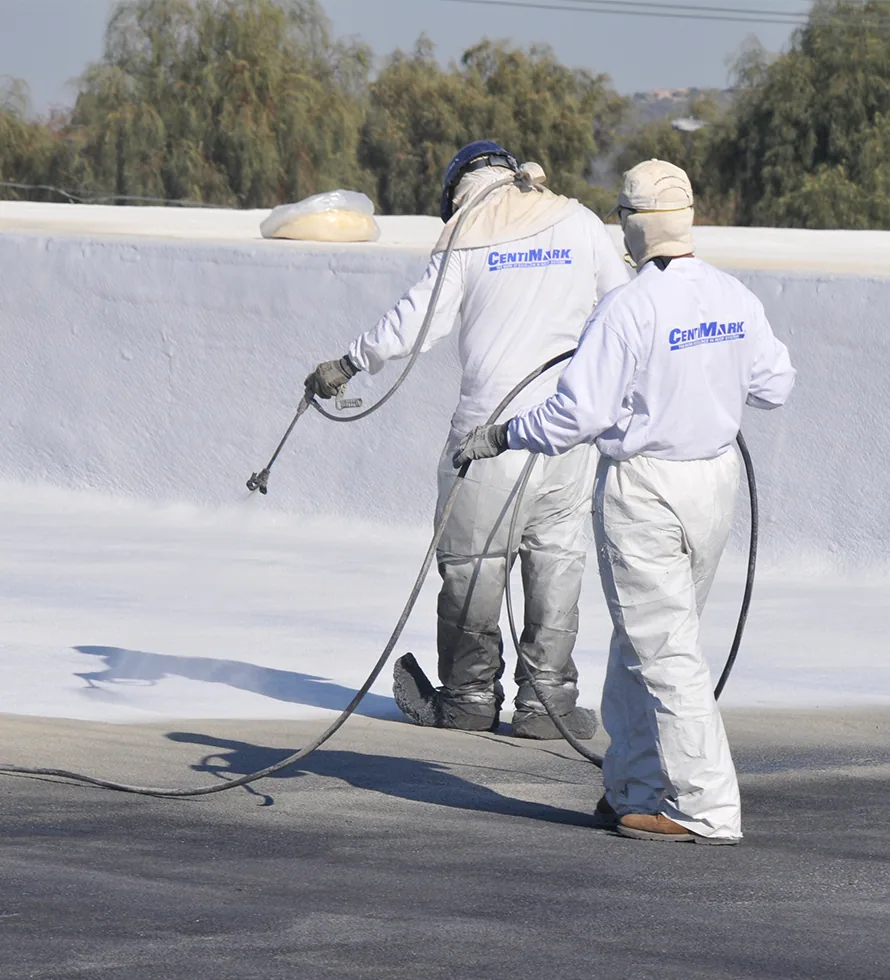
For a store that cannot close, the window is often early morning or a slow day. For a restaurant, it is the stretch between lunch and dinner service. We plan the loudest steps for those hours and close the roof in again before the crew leaves. A roof coating restoration is an option for a sound membrane, and the moisture reading says whether the roof qualifies.
Records have a second purpose for an owner-operator. A lender, a buyer or an insurer may ask about the roof, and a packet with dated images and readings answers the question without a new site visit.
Timing also depends on lease or loan terms. An owner with a loan covenant may need roof work finished before a review date, and an owner planning a sale may prefer repairs with a clean record over a replacement that delays closing. We state both paths with their schedules.
Drainage on a small roof: one outlet carries everything
A small roof often relies on a single drain or scupper, which makes it a single point of failure. A clog during a spring downpour can pond water across the whole roof in minutes. We clear the outlet, pour water to test flow and confirm that an overflow exists. If none does, we recommend adding one, since an overflow scupper costs little next to a flooded interior.
Persistent ponds are measured and photographed. A ponding water repair adds slope with tapered insulation or lowers the drain bowl with a sump, depending on what the structure allows.
Debris is the usual cause of a clogged outlet. Leaves, plastic bags and windblown litter collect at low points, and a strainer or guard keeps them out of the line. We add guards where they are missing and recommend a quarterly clearing for roofs under trees.
Storm response for the single-roof owner
Texas spring storms bring hail, damaging wind and sometimes tornadoes across the Metroplex, according to the Weather Service, and a given address may not be touched in a given year. For an owner with one roof, the practical protection is a dated baseline and a number to call. When a storm passes, our emergency roof repair response answers around the clock, seals any opening and records the roof before and after.
The follow-up inspection compares the roof with its baseline and separates new damage from old wear. That comparison is what an insurer reads first.
If a repair has to wait for weather, the temporary stop stays under a recheck date. Mastic and fabric patches, tarps and sealed openings are listed with the day each should be inspected, because a temporary item left through a Texas summer can fail before anyone returns.
Closeout record: short, dated and portable
Each visit ends with a short packet: images, readings, a marked plan and open items. For an owner with a few sites in Little Elm, Denton and Oak Point, the packets stack in one folder and show which site needs money first.
Open items carry dates. A scupper to re-test after the next storm, a sealant bead to recheck in the fall and a coating decision to revisit next spring each sit on the list with a target month.
Commercial Roofing Questions
How long does a full inspection take on a small freestanding roof?
A few hours, including the photo sequence, probes, drain tests and a summary. Larger buildings with canopies take longer.
What are the most common leaks on neighborhood stores?
Cracked curb flashing, perished pipe boots, open parapet cap joints and high scuppers. Each is a small repair when found early.
Do I need an overflow scupper?
On a flat roof with one drain, yes. It gives water a second exit when the main drain clogs.
How do you plan work around business hours?
We choose early mornings or slow periods for loud steps and dry in the roof at the end of each shift.
Is a coating right for my roof?
If the membrane is sound and the insulation is dry, it can be. A moisture reading and a core cut confirm it.
What should an owner photograph after a storm?
The interior stain or drip, the date and time, any wet stock and the roof edges if they are visible. Those images match the water to the roof.
Related
Related Roofing Work
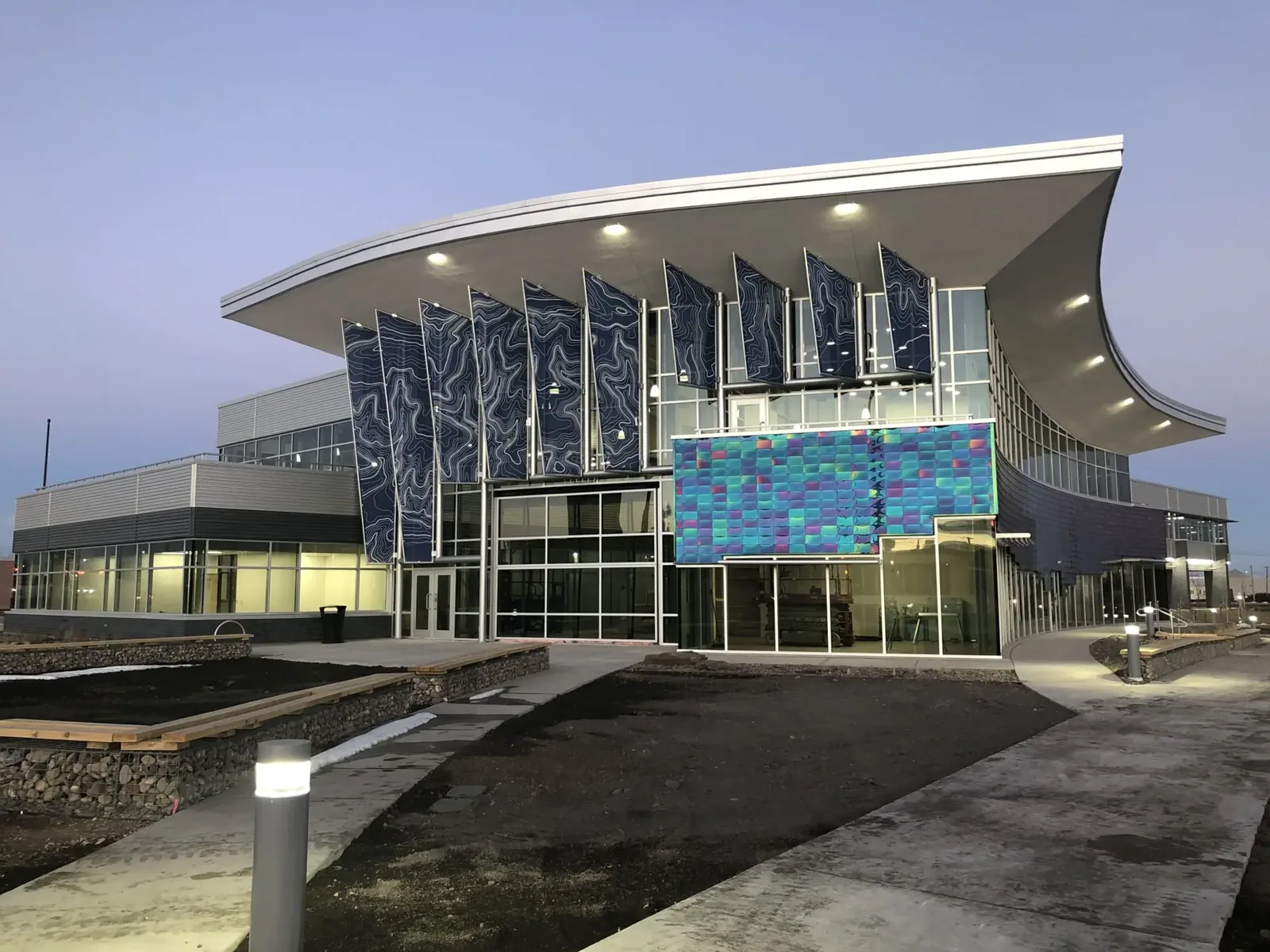
Commercial Roof Repair
Roof Coating and Restoration
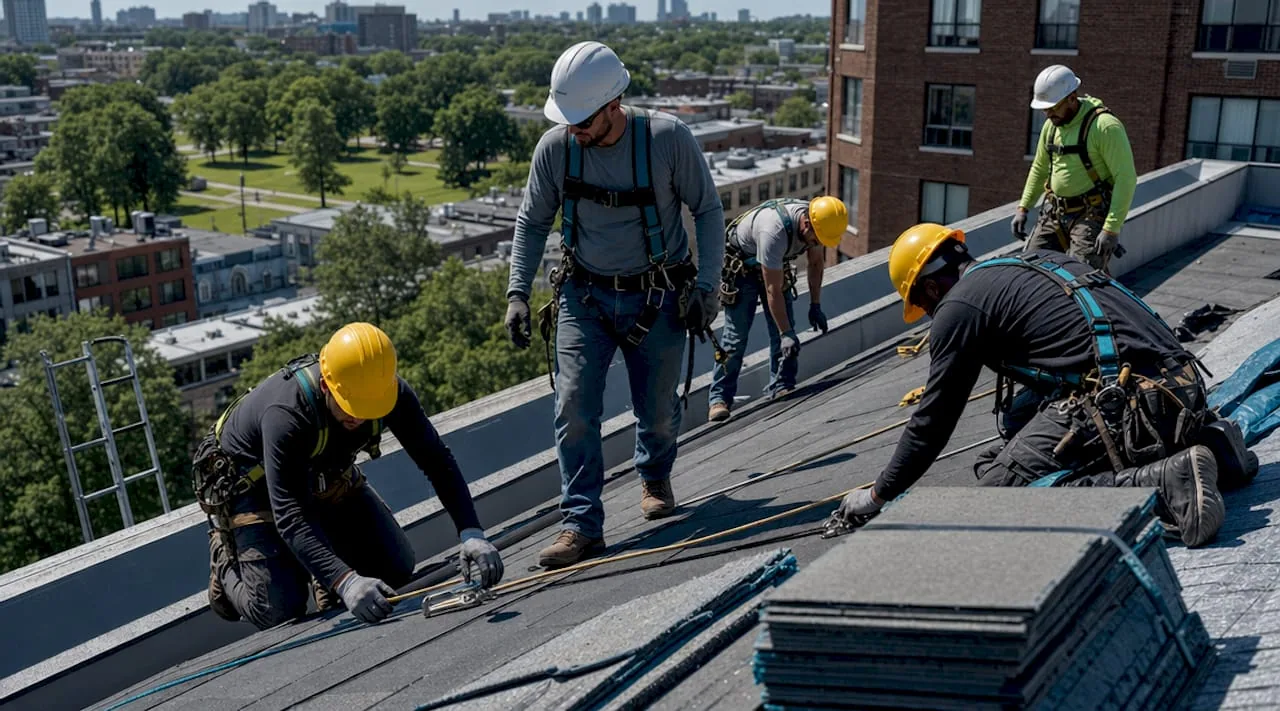
Ponding Water Roof Repair
Emergency Roof Repair
Little Elm
Denton
Schedule an inspection and receive the dated record
Tell us the building, where water has appeared and when the business is quiet. We will inspect, send photographs and findings with dates, and recommend next steps.
